Commercial Real Estate Opportunities Across Missouri's Emerging Markets
Discover high-growth commercial properties in Saint Joseph, Kansas City, and surrounding communities that savvy investors are capitalizing on today.

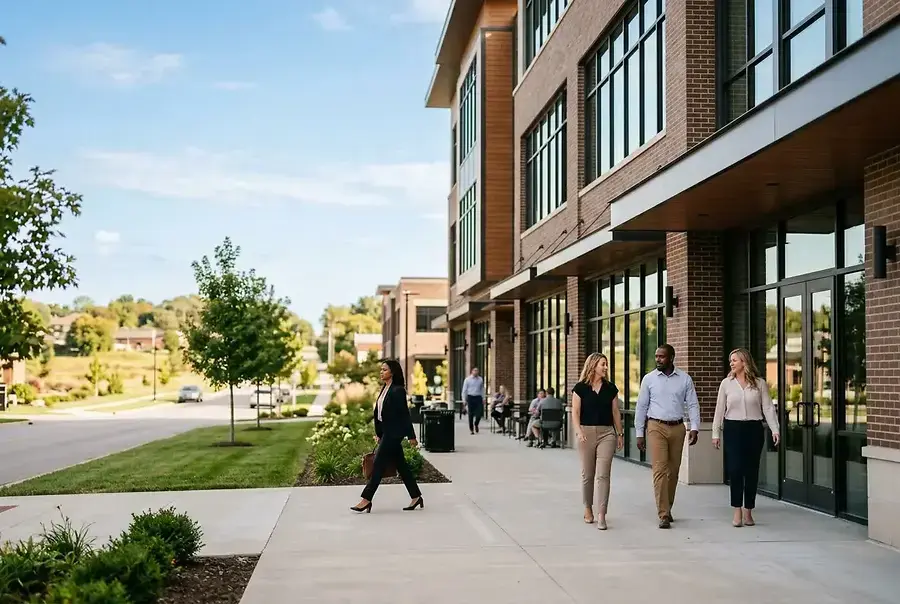
The Commercial Real Estate Boom in Missouri's Secondary Markets
Missouri's commercial real estate landscape is experiencing a significant transformation. While major metropolitan areas have long dominated investor attention, secondary markets across the state are emerging as hotbeds of opportunity. Saint Joseph, Savannah, and the broader Kansas City metro area are attracting forward-thinking investors who recognize the potential for substantial returns in these undervalued markets.
The shift toward secondary markets reflects broader economic trends. As larger cities face rising property costs and increased competition, savvy investors are turning their attention to communities with lower entry barriers, growing populations, and improving infrastructure. Missouri's secondary markets offer exactly these conditions, making them ideal for commercial real estate professionals seeking to position their clients for long-term growth.
Why Missouri's Secondary Markets Matter
These emerging markets benefit from several key advantages: affordable acquisition costs, growing business activity, improving transportation networks, and increasing population migration from larger urban centers. For real estate agents and investors, this represents a unique window of opportunity before these markets reach full maturity and prices escalate.
Evaluating Commercial Properties: What Agents Need to Know About Zoning, Tenant Quality, and ROI Potential
Understanding Zoning and Land Use
Successful commercial real estate investments begin with thorough zoning analysis. Agents must understand local zoning ordinances, permitted uses, and future development plans. In Missouri's secondary markets, zoning regulations are often more flexible than in established metropolitan areas, creating opportunities for adaptive reuse and mixed-use development projects.
Key considerations include:
- Current zoning classifications and permitted commercial uses
- Variance and rezoning possibilities
- Future comprehensive plans and development corridors
- Environmental considerations and site assessments
Evaluating Tenant Quality and Lease Stability
The quality of tenants directly impacts property value and cash flow. When evaluating commercial properties, agents should assess tenant creditworthiness, lease terms, and business stability. In secondary markets, tenant diversity is crucial—properties with multiple revenue streams are less vulnerable to economic fluctuations.
Critical tenant evaluation metrics:
- Tenant credit ratings and payment history
- Lease duration and renewal options
- Industry sector and business stability
- Tenant occupancy rates across comparable properties
Calculating ROI Potential
Return on investment calculations must account for multiple factors beyond simple cap rates. Agents should evaluate gross rental income, operating expenses, financing costs, and appreciation potential. In Missouri's secondary markets, properties often offer higher cap rates than major metropolitan areas, reflecting both opportunity and risk.
Comprehensive ROI analysis should include:
- Net Operating Income (NOI) and cap rate calculations
- Cash-on-cash returns and internal rate of return (IRR)
- Appreciation potential based on market trends
- Exit strategy and holding period analysis
Case Studies: Successful Commercial Investments in Saint Joseph, Savannah, and Kansas City Metro Areas
Saint Joseph: Retail and Office Growth
Saint Joseph has emerged as a regional retail and office hub. Recent commercial developments have attracted national retailers and professional service firms seeking affordable, accessible locations. A notable investment involved a 25,000-square-foot office building that was repositioned to serve growing healthcare and financial services sectors. The property achieved 95% occupancy within eighteen months, with tenants paying premium rates for modern, well-maintained space in a growing market.
The success of this investment demonstrates the value of identifying emerging tenant demand and positioning properties to meet those needs. Agents who understand local economic drivers can identify similar opportunities before they become obvious to the broader market.
Savannah: Industrial and Logistics Expansion
Savannah's strategic location has made it increasingly attractive for industrial and logistics operations. A warehouse property that was acquired at a significant discount has become highly valuable as e-commerce and regional distribution networks expand. The property now serves multiple tenants in the logistics and light manufacturing sectors, generating strong cash flow and appreciation.
This case illustrates the importance of understanding regional economic trends and infrastructure development. Agents who recognize how transportation networks and supply chain patterns influence property values can identify exceptional opportunities.
Kansas City Metro: Mixed-Use and Adaptive Reuse
The Kansas City metropolitan area has seen substantial growth in mixed-use and adaptive reuse projects. Historic buildings have been converted into vibrant commercial and residential spaces, attracting both tenants and investors. One successful project involved converting a former manufacturing facility into a multi-tenant creative office space, attracting technology companies and professional services firms.
These projects demonstrate how understanding community revitalization trends and demographic shifts can unlock significant value in secondary markets.
Positioning Your Clients for Long-Term Commercial Growth
Success in Missouri's secondary markets requires a strategic approach. Agents should focus on identifying properties with strong fundamentals: quality tenants, favorable lease terms, and locations positioned for long-term growth. Understanding local economic drivers—population trends, business development initiatives, infrastructure investments—is essential for making informed recommendations.
Key strategies for client success:
- Conduct thorough market analysis and competitive positioning
- Evaluate properties based on comprehensive financial metrics
- Identify emerging tenant demand and market trends
- Develop long-term holding and exit strategies
- Monitor regulatory changes and development plans
Missouri's secondary markets represent a compelling opportunity for investors willing to look beyond major metropolitan areas. By understanding zoning regulations, evaluating tenant quality, and calculating true ROI potential, agents can position their clients to capitalize on emerging growth. The success stories from Saint Joseph, Savannah, and the Kansas City metro area demonstrate that substantial returns are available for those who identify opportunities early and execute strategically.
The commercial real estate landscape in Missouri is evolving rapidly. Agents who develop expertise in secondary market evaluation and positioning will find themselves at a significant competitive advantage, able to guide clients toward investments that deliver both immediate cash flow and long-term appreciation potential.


