Commercial Real Estate Trends Reshaping Southwest Ohio's Business Districts
Discover emerging opportunities and investment strategies across Cincinnati's most dynamic markets.

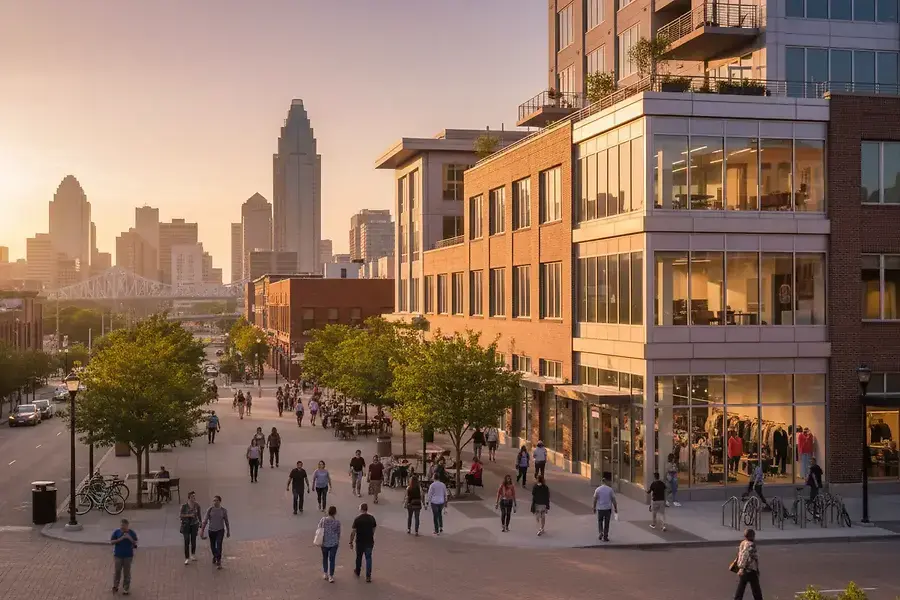
Understanding the Southwest Ohio Commercial Landscape
Southwest Ohio has emerged as one of the Midwest's most compelling commercial real estate markets. The region, anchored by Cincinnati and extending through the Dayton corridor, is experiencing a fundamental shift in how businesses operate and where they choose to establish their presence. This transformation is driven by changing workforce preferences, technological advancement, and a renewed focus on mixed-use developments that blend residential, retail, and office spaces.
The commercial landscape in this region is characterized by strategic diversification. Rather than relying solely on traditional office parks and industrial zones, Southwest Ohio is witnessing the emergence of vibrant, walkable districts that appeal to both established corporations and innovative startups. This evolution presents unprecedented opportunities for real estate professionals who understand the nuances of these emerging markets.
Market Fundamentals and Current Dynamics
The Southwest Ohio commercial market is supported by several key fundamentals:
- A robust population base with strong educational institutions
- Competitive operating costs compared to coastal markets
- Strategic location along major transportation corridors
- Growing tech and innovation sectors
- Increasing corporate relocations from higher-cost regions
These factors combine to create a market environment where both established and emerging businesses find value and opportunity.
Key Growth Markets: From Cincinnati to Dayton Corridors
The Cincinnati to Dayton corridor represents the heartbeat of Southwest Ohio's commercial real estate activity. This region is experiencing accelerated development across multiple submarkets, each with distinct characteristics and investment potential.
Cincinnati's Urban Core and Revitalization Districts
Cincinnati's downtown and surrounding neighborhoods are undergoing significant revitalization. The Over-the-Rhine district, once overlooked, has transformed into a thriving hub for creative industries, tech companies, and upscale retail. This renaissance has attracted significant capital investment and continues to draw young professionals seeking vibrant urban environments.
Key characteristics of Cincinnati's growth markets include:
- Adaptive reuse of historic buildings creating unique office and retail spaces
- Increased residential density supporting local businesses
- Enhanced public transportation and walkability initiatives
- Growing food and beverage scene attracting tourism and investment
Suburban Expansion and Mixed-Use Development
Beyond the urban core, suburban markets in the Cincinnati metropolitan area are experiencing their own transformation. Communities like Mason, West Chester, and Blue Ash are evolving from purely residential suburbs into mixed-use destinations. These areas offer lower land costs and easier accessibility while maintaining proximity to urban amenities.
The Dayton corridor, meanwhile, is establishing itself as a secondary growth market with significant potential. Companies seeking alternatives to Cincinnati's rising costs are discovering competitive advantages in Dayton's business-friendly environment and available real estate inventory.
Industrial and Logistics Opportunities
The region's strategic location has made it increasingly attractive for logistics and distribution operations. The convergence of major highways and proximity to key markets have created demand for modern industrial facilities. This sector represents a significant opportunity for investors seeking stable, long-term returns.
Identifying Investment Opportunities in Residential-Mixed Use Developments
Mixed-use developments represent the most dynamic segment of Southwest Ohio's commercial real estate market. These projects combine residential units, retail space, and office areas within integrated communities, creating multiple revenue streams and appealing to diverse tenant bases.
The Appeal of Mixed-Use Projects
Mixed-use developments address fundamental market trends:
- Walkability: Tenants and residents increasingly value pedestrian-friendly environments
- Convenience: Integrated amenities reduce commute times and enhance quality of life
- Sustainability: Concentrated development reduces environmental impact
- Economic Resilience: Diversified revenue sources provide stability during market fluctuations
Evaluating Mixed-Use Investment Opportunities
When assessing mixed-use developments, successful investors focus on several critical factors:
Location and Demographics: Proximity to employment centers, educational institutions, and transportation hubs is paramount. Understanding the target demographic—whether young professionals, families, or empty nesters—shapes the development's success.
Anchor Tenants and Retail Mix: The quality and diversity of retail and office tenants significantly impact property value and occupancy rates. Developments anchored by established brands or innovative companies command premium valuations.
Financing and Development Timeline: Mixed-use projects require sophisticated financing structures. Understanding construction timelines, phasing strategies, and exit opportunities is essential for maximizing returns.
Emerging Neighborhoods with High Potential
Several Southwest Ohio neighborhoods are positioned for significant appreciation:
"The convergence of demographic trends, economic development initiatives, and private capital investment is creating unprecedented opportunities in Southwest Ohio's secondary and tertiary markets."
Areas experiencing revitalization include historic neighborhoods with strong bones, proximity to universities, and emerging cultural scenes. These locations often offer better entry points for investors compared to already-developed urban cores.
Positioning Yourself as a Multi-Market Real Estate Expert
Success in Southwest Ohio's diverse commercial real estate market requires developing expertise across multiple submarkets and property types. Real estate professionals who understand the region's nuances gain significant competitive advantages.
Building Market Knowledge and Specialization
Develop deep expertise by:
- Tracking demographic and employment trends across all major submarkets
- Understanding local zoning regulations and development incentives
- Building relationships with municipal leaders and economic development organizations
- Monitoring construction activity and pipeline projects
- Analyzing comparable sales and rental data across property types
Leveraging Technology and Data
Modern real estate professionals utilize advanced analytics and market intelligence tools. Understanding how to interpret data on absorption rates, cap rates, and demographic shifts positions you as a trusted advisor to clients seeking investment guidance.
Networking and Relationship Building
The Southwest Ohio commercial real estate market operates on relationships. Cultivating connections with developers, institutional investors, lenders, and municipal officials creates deal flow and market intelligence advantages. Active participation in industry associations and local business organizations enhances visibility and credibility.
Staying Ahead of Market Evolution
The commercial real estate landscape continues evolving rapidly. Successful professionals remain informed about emerging trends including remote work impacts on office demand, e-commerce effects on retail, and changing consumer preferences regarding urban versus suburban living.
By combining market expertise, relationship capital, and strategic positioning, real estate professionals can capitalize on Southwest Ohio's dynamic commercial real estate opportunities and establish themselves as indispensable resources for investors and businesses navigating this transforming market.


