Commercial-Residential Properties: Your Guide to Mixed-Use Investing in Middle Tennessee
Learn how to capitalize on the booming mixed-use market across Nashville's fastest-growing counties.

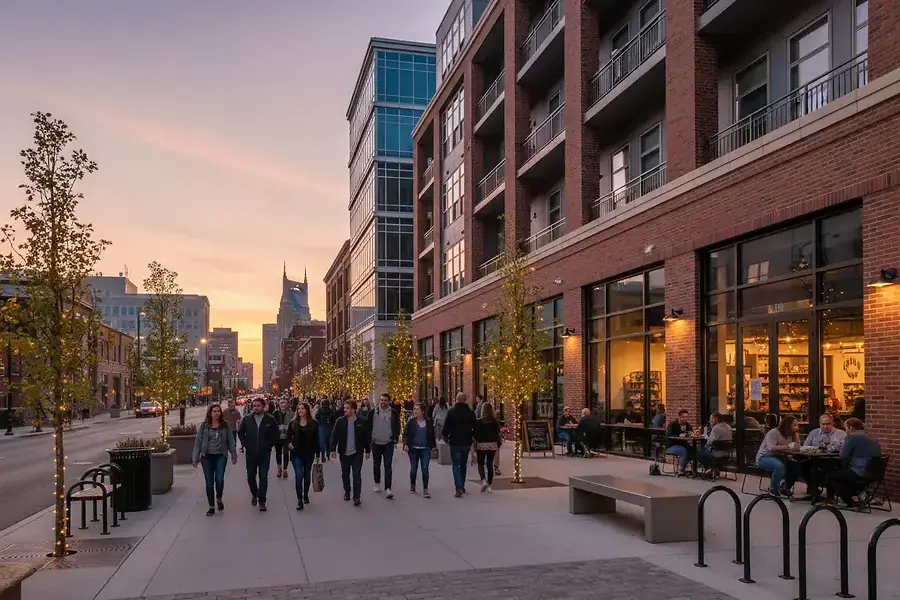
Understanding Mixed-Use Real Estate in Middle Tennessee
Mixed-use real estate represents one of the most dynamic investment opportunities in Middle Tennessee today. These properties combine commercial and residential spaces under one roof or within a single development, creating vibrant communities where people can live, work, and shop without leaving their neighborhood. The region's explosive growth has made mixed-use properties increasingly attractive to investors seeking diversified income streams and long-term appreciation potential.
The appeal of mixed-use developments lies in their versatility and resilience. Unlike single-use properties that depend on one market segment, mixed-use investments benefit from multiple revenue sources. Ground-floor retail or office spaces generate consistent commercial income, while upper-level residential units provide steady rental revenue. This diversification reduces risk and creates more stable cash flows for savvy investors.
Why Mixed-Use Properties Matter in Today's Market
Modern consumers increasingly prefer walkable, mixed-use communities over sprawling suburban developments. This shift in lifestyle preferences has fundamentally changed how real estate develops in Middle Tennessee. Younger professionals, empty nesters, and families alike are drawn to neighborhoods where they can access restaurants, shops, offices, and entertainment within walking distance of their homes.
The pandemic accelerated this trend significantly. Remote work flexibility has made location less critical for employment, allowing people to prioritize lifestyle and community amenities. Mixed-use developments deliver exactly what today's residents want: convenience, community connection, and urban sophistication without sacrificing affordability.
Market Demand and Investment Potential in Commercial-Residential Properties
Strong Demand Drivers
Middle Tennessee's population growth continues to outpace national averages, with Nashville and surrounding areas attracting thousands of new residents annually. This influx creates unprecedented demand for housing, retail space, and office facilities. Mixed-use properties capitalize on all three needs simultaneously, positioning them as ideal investments for the current market environment.
Several factors fuel this demand:
- Population Growth: Middle Tennessee ranks among America's fastest-growing regions, with no signs of slowing
- Job Creation: Major corporations continue relocating headquarters and operations to Nashville, driving employment opportunities
- Urban Revitalization: City centers and secondary markets are experiencing renewed investment and development
- Lifestyle Preferences: Consumers increasingly value walkability and mixed-use communities over traditional suburban sprawl
- Economic Diversity: The region's diverse economy attracts talent across healthcare, technology, entertainment, and professional services
Investment Returns and Financial Benefits
Mixed-use properties offer compelling financial advantages for investors. The combination of commercial and residential income streams creates multiple revenue opportunities within a single asset. Commercial tenants typically sign longer leases with higher rent rates, while residential units provide consistent monthly income with lower vacancy rates in growing markets.
Additionally, mixed-use developments often qualify for tax incentives and economic development grants, particularly in designated opportunity zones. These financial benefits can significantly enhance overall returns and reduce initial capital requirements. The appreciation potential in Middle Tennessee's booming markets adds another layer of wealth-building opportunity.
Key Counties for Mixed-Use Development and Zoning Advantages
Davidson County: The Urban Core
Davidson County, home to Nashville, remains the epicenter of mixed-use development in Middle Tennessee. The city's thriving downtown, expanding neighborhoods, and supportive zoning policies create ideal conditions for mixed-use projects. Recent zoning reforms have made it easier to develop properties that blend commercial and residential uses, attracting significant investor interest.
Nashville's strong tourism industry, diverse job market, and cultural attractions make it particularly attractive for mixed-use developments that cater to both residents and visitors. Properties in neighborhoods like East Nashville, The Nations, and emerging areas offer excellent growth potential.
Williamson County: Suburban Growth Hub
Williamson County represents one of the nation's fastest-growing counties, with Franklin and surrounding areas experiencing explosive development. The county's affluent demographics, excellent schools, and business-friendly environment create strong demand for mixed-use properties that serve growing residential populations.
Mixed-use developments in Williamson County appeal to families and professionals seeking suburban convenience with urban amenities. The county's zoning flexibility and pro-development stance make it an attractive market for investors.
Rutherford County: Emerging Opportunity
Rutherford County, anchored by Murfreesboro, represents an emerging frontier for mixed-use investment. Rapid population growth, lower land costs compared to Davidson and Williamson counties, and increasing commercial activity create significant opportunities for forward-thinking investors. Early movers in this market can capture substantial appreciation as the county continues developing.
Sumner County: Secondary Market Potential
Sumner County offers mixed-use opportunities in smaller markets with strong growth trajectories. Communities like Hendersonville and Gallatin are experiencing renewed investment and development activity. These secondary markets often provide better entry points for investors while still benefiting from Middle Tennessee's overall growth momentum.
Zoning Advantages Across the Region
Most Middle Tennessee counties have modernized their zoning codes to encourage mixed-use development. These progressive policies reduce regulatory barriers and streamline approval processes. Many jurisdictions offer density bonuses, reduced parking requirements for mixed-use projects, and expedited permitting for developments that meet community goals.
Understanding local zoning regulations is crucial for success. Each county and municipality has unique requirements and incentives. Successful investors work closely with local planning departments and experienced real estate professionals to navigate these regulations and maximize project potential.
How to Position Yourself as a Mixed-Use Real Estate Expert
Build Your Knowledge Foundation
Success in mixed-use investing requires understanding both commercial and residential real estate markets. Study local market trends, demographic data, and development patterns. Attend industry conferences, join real estate investment groups, and network with experienced developers and investors. This knowledge foundation will inform better investment decisions and help you identify opportunities others might miss.
Develop Strategic Partnerships
Mixed-use projects are complex endeavors requiring diverse expertise. Build relationships with experienced architects, contractors, property managers, and commercial brokers. These partnerships provide valuable insights and resources that enhance project success. Strong relationships also create deal flow opportunities as partners refer projects and investment opportunities.
Start with Market Research
Before committing capital, thoroughly analyze target markets. Understand population trends, employment growth, consumer preferences, and competitive landscape. Identify underserved areas where mixed-use development could thrive. This research-driven approach reduces risk and increases the likelihood of successful investments.
Consider Your Entry Strategy
Acquisition and Renovation: Purchase existing properties and convert them to mixed-use developments. This approach often requires less capital than ground-up development and can generate returns more quickly.
Ground-Up Development: Partner with experienced developers to create new mixed-use projects. This approach offers more control over design and positioning but requires greater capital and longer timelines.
Syndication and Partnerships: Invest in mixed-use projects through syndications or partnerships. This approach allows participation in larger deals with reduced capital requirements and shared risk.
Stay Informed and Adaptable
The real estate market evolves constantly. Stay informed about changing consumer preferences, economic conditions, and regulatory developments. Successful investors remain adaptable, adjusting strategies as market conditions shift. Continuous learning and flexibility are essential for long-term success in mixed-use investing.
Conclusion
Mixed-use real estate represents a compelling investment opportunity in Middle Tennessee's booming market. The region's strong population growth, diverse economy, and evolving consumer preferences create ideal conditions for commercial-residential properties. By understanding market dynamics, identifying key growth counties, and building expertise through research and partnerships, investors can position themselves to capitalize on this lucrative market segment.
The time to act is now. Middle Tennessee's mixed-use market is heating up, and early investors are capturing significant returns. Whether you're a seasoned real estate professional or an emerging investor, mixed-use properties offer a pathway to diversified income, appreciation potential, and long-term wealth building. Start your journey today by researching local markets, building strategic partnerships, and positioning yourself as a mixed-use real estate expert in Middle Tennessee.


