Commercial Tenant Retention Strategies for South Metro Denver Landlords
Proven tactics to reduce vacancy rates and maximize rental income in competitive Denver metro markets.

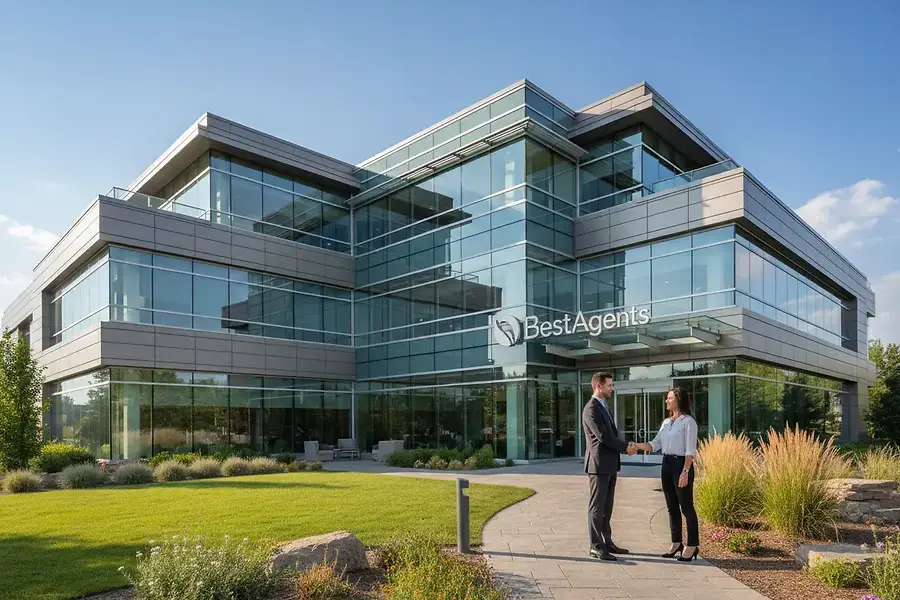
The Challenge of Tenant Retention in South Metro Denver
The South Metro Denver commercial real estate market presents both opportunities and challenges for landlords. With a growing economy and increasing business activity, competition for quality tenants has intensified. Landlords who fail to prioritize tenant retention often find themselves facing extended vacancy periods, reduced rental income, and the costly burden of finding replacement tenants.
Tenant turnover is expensive. Beyond the obvious loss of rental income during vacant periods, landlords must invest in property improvements, marketing, and administrative costs to attract new tenants. Studies show that the cost of replacing a commercial tenant can range from 5-10% of annual rent. In a competitive market like South Metro Denver, retaining quality tenants is not just beneficial—it's essential for long-term profitability.
The key to success lies in understanding what tenants value and implementing strategies that address their needs. Successful landlords recognize that tenant retention is an investment in their property's future performance and market reputation.
Building Long-Term Relationships with Quality Commercial Tenants
Responsive Property Management
Quality tenants expect responsive and professional property management. When maintenance issues arise, tenants need to know their concerns will be addressed promptly. Implementing a reliable maintenance request system and committing to quick response times demonstrates that you value their business and respect their operational needs.
Key actions include:
- Establishing a 24-hour emergency maintenance hotline
- Providing regular property inspections and preventative maintenance
- Maintaining transparent communication about repairs and improvements
- Keeping the property clean, safe, and well-maintained
Understanding Tenant Needs
Take time to understand your tenants' business operations and growth plans. Regular check-ins with tenant management can reveal upcoming needs or concerns before they become problems. This proactive approach allows you to address issues early and demonstrate genuine interest in their success.
Ask questions about their business trajectory, expansion plans, and any operational challenges they face. This information helps you anticipate their needs and position yourself as a valuable business partner rather than simply a landlord collecting rent.
Creating Community and Amenities
Modern commercial tenants increasingly value properties that offer more than just space. Consider investing in amenities that enhance the tenant experience:
- Common areas for networking and collaboration
- High-speed internet infrastructure
- Parking facilities and EV charging stations
- On-site dining or break room facilities
- Professional landscaping and outdoor spaces
- Security features and access control systems
These amenities not only attract tenants but also create an environment where they want to stay long-term. Properties that feel like communities rather than just rental spaces command higher retention rates.
Lease Flexibility and Market-Competitive Pricing Strategies
Flexible Lease Terms
One-size-fits-all lease agreements are becoming outdated in the modern commercial market. Successful landlords offer flexibility that accommodates different business models and growth stages. Consider offering:
- Shorter initial lease terms with renewal options
- Expansion clauses that allow tenants to grow within the property
- Flexible space configurations for evolving business needs
- Options to adjust lease terms based on business performance
Flexibility demonstrates confidence in your property and willingness to work with tenants as their businesses evolve. This approach often results in longer overall tenant relationships, even if individual lease terms are shorter.
Competitive and Transparent Pricing
Pricing strategy directly impacts tenant retention. While maximizing rent is important, pricing tenants out of the market is counterproductive. Conduct regular market analysis to ensure your rates remain competitive while reflecting your property's value and amenities.
Consider these pricing strategies:
- Offering modest rent increases for lease renewals rather than aggressive jumps
- Providing rent concessions or free months for long-term commitments
- Creating tiered pricing based on lease length and tenant stability
- Being transparent about all fees and charges upfront
Tenants appreciate predictability and fairness. A landlord who works with tenants on pricing during lease renewals often retains quality tenants who might otherwise relocate to competitors.
Value-Added Services
Beyond the physical space, consider offering services that add value to the tenant experience. This might include:
- Tenant improvement allowances for customization
- Marketing support for tenant businesses
- Networking events and business development opportunities
- Preferred vendor relationships and discounts
- Professional development resources
These value-added services differentiate your property in the market and create additional reasons for tenants to renew their leases.
Creating Stability and Growth Through Tenant Retention
Tenant retention is not just about keeping spaces occupied—it's about building a sustainable, profitable commercial real estate portfolio. In South Metro Denver's competitive market, landlords who invest in tenant relationships, offer flexible terms, and maintain competitive pricing create properties that tenants want to stay in long-term.
The benefits of strong tenant retention extend beyond immediate rental income. Properties with stable, long-term tenants attract investors, command higher valuations, and require less marketing and administrative overhead. Quality tenants become advocates for your property, referring other businesses and contributing to a positive community atmosphere.
The path forward requires:
- Commitment to responsive, professional property management
- Genuine investment in understanding and supporting tenant success
- Willingness to offer flexibility and competitive pricing
- Continuous improvement of property amenities and services
By implementing these proven strategies, South Metro Denver landlords can reduce vacancy rates, maximize rental income, and build properties that tenants choose to call home for years to come. In a competitive market, tenant retention is the ultimate competitive advantage.


