Commercial Zoning Regulations and Development in Ormond Beach
Navigate local zoning laws and maximize your commercial property investment potential.

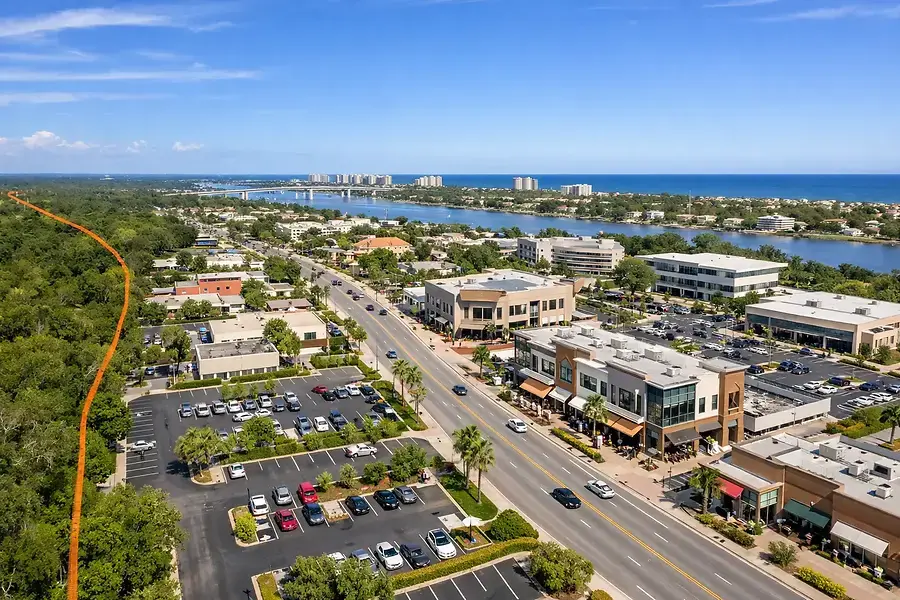
Understanding Ormond Beach Commercial Zoning Districts
Ormond Beach features a well-structured zoning system designed to promote sustainable commercial development while protecting residential neighborhoods. The city's commercial zoning districts are strategically distributed throughout the municipality, each serving specific business purposes and community needs.
Primary Commercial Zoning Categories
The city recognizes several distinct commercial zoning classifications. The Central Business District (CBD) represents the heart of commercial activity, featuring mixed-use development opportunities and higher density commercial uses. This zone encourages retail, office, and service-oriented businesses that serve as community anchors.
The General Commercial (C-1) district accommodates a broad range of commercial activities, including retail stores, restaurants, professional offices, and personal services. This flexible zoning allows property owners to adapt their spaces to market demands while maintaining community standards.
Highway Commercial (C-2) zones are typically located along major transportation corridors and accommodate larger-scale commercial operations, including shopping centers, automotive services, and hospitality establishments. These areas benefit from high visibility and accessibility.
Specialty Commercial Zones
Ormond Beach also designates Professional Office (PO) districts for medical, legal, and corporate office uses. These zones maintain professional aesthetics while supporting the city's growing service sector. Additionally, Light Industrial (LI) zones provide space for manufacturing, warehousing, and distribution operations that complement the commercial ecosystem.
Key Regulations Affecting Commercial Development
Setback and Height Requirements
Commercial properties in Ormond Beach must comply with specific setback requirements that vary by zoning district. Front setbacks typically range from 15 to 25 feet, depending on the zone and street classification. Side and rear setbacks are generally 10 to 15 feet, with some flexibility for corner lots and special circumstances.
Height restrictions are carefully calibrated to maintain neighborhood character while allowing viable commercial development. Most commercial zones permit buildings up to 35 feet or 2.5 stories, though certain CBD locations may allow greater heights with appropriate design considerations.
Parking and Access Standards
Parking requirements represent a significant consideration for commercial developers. The city typically mandates:
- Retail establishments: 1 space per 250 square feet of floor area
- Office buildings: 1 space per 300 square feet
- Restaurants: 1 space per 100 square feet of dining area
- Medical offices: 1 space per 200 square feet
Access points must be designed to minimize traffic conflicts and maintain safe pedestrian circulation. The city encourages shared parking arrangements and alternative transportation solutions to reduce overall parking demands.
Landscaping and Buffering Requirements
Commercial properties must incorporate landscaping that enhances the streetscape and provides visual buffering between incompatible uses. The city requires a minimum of 15% of the property to be dedicated to landscaping, with specific plant material standards and maintenance expectations. Properties adjacent to residential zones must provide enhanced buffering through berms, walls, or dense vegetation.
Sign Regulations
Signage in commercial zones is regulated to balance business visibility with aesthetic considerations. Most zones allow one primary monument sign and wall-mounted signage, with specific size limitations based on setback distances and lot frontage. Digital displays are permitted in certain zones but must comply with brightness and animation standards.
How to Work with Local Zoning Requirements
Conducting Thorough Due Diligence
Before acquiring commercial property, conduct comprehensive zoning research. Review the city's zoning map, obtain a zoning verification letter, and understand the specific regulations applicable to your intended use. This foundational work prevents costly surprises and ensures your business plan aligns with local requirements.
Engaging with the Planning Department
The Ormond Beach Planning Department serves as an invaluable resource for commercial developers. Schedule pre-application meetings to discuss your project concept before investing in detailed design work. These consultations clarify expectations, identify potential challenges, and streamline the approval process.
Key contacts and resources include:
- Zoning verification letters and property information
- Comprehensive Plan and Land Development Code guidance
- Site plan review standards and submission requirements
- Development timeline and fee schedules
Navigating the Approval Process
Commercial development typically requires site plan approval, which involves review by planning staff, architectural review boards, and potentially the City Commission. Prepare comprehensive documentation including architectural renderings, traffic impact analyses, and environmental assessments. Demonstrating compliance with zoning requirements and community standards accelerates approval timelines.
Seeking Variances and Conditional Uses
If your project doesn't perfectly fit existing zoning parameters, explore variance or conditional use permit options. These mechanisms allow flexibility when strict compliance creates undue hardship or when special conditions warrant deviation from standard requirements. Document your justification thoroughly and be prepared to address community concerns.
Building Community Support
Successful commercial development often requires community buy-in. Engage neighbors early, address concerns transparently, and demonstrate how your project benefits the broader community. Public support significantly influences approval decisions and creates smoother implementation.
Conclusion: Positioning Yourself as a Zoning Expert
Mastering Ormond Beach's commercial zoning regulations positions you for success in the local real estate market. By understanding zoning districts, key regulations, and approval processes, you can identify opportunities others overlook and navigate development challenges efficiently.
Success in commercial real estate requires:
- Thorough knowledge of applicable zoning regulations
- Strong relationships with planning officials and community stakeholders
- Professional design and engineering support
- Realistic timelines and budget expectations
- Flexibility and problem-solving capabilities
Whether you're developing your first commercial property or expanding an existing portfolio, investing time in zoning expertise pays dividends. The regulations that initially seem complex become navigable with proper preparation and professional guidance. By positioning yourself as someone who understands and respects local requirements, you'll build credibility with decision-makers and create a foundation for long-term success in Ormond Beach's dynamic commercial real estate market.


