Commute Times and Lifestyle: Choosing Your Colorado Springs Area Home
Discover how proximity to work, amenities, and community character vary across the Pikes Peak region to find your perfect neighborhood fit.

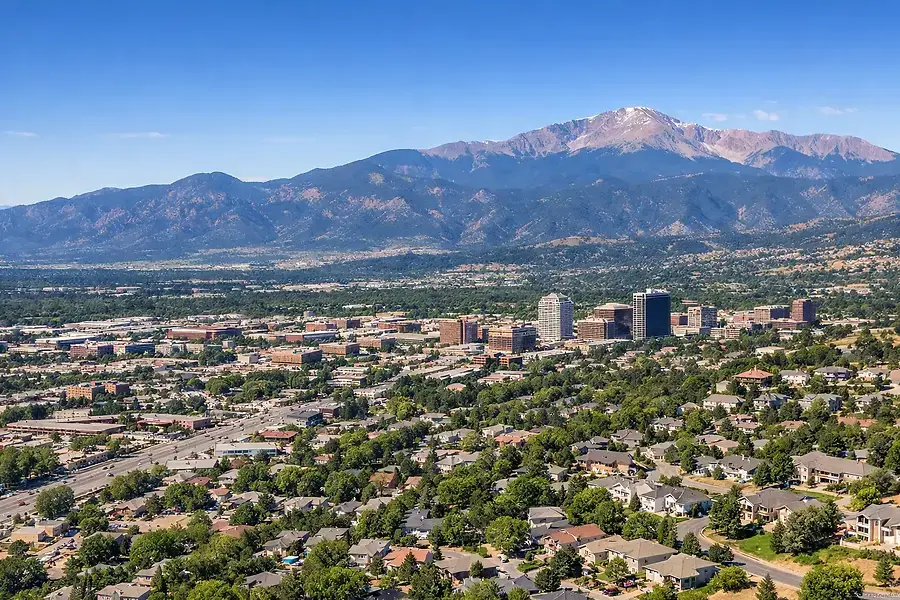
Understanding Commute Patterns Across the Colorado Springs Metro
The Colorado Springs metropolitan area spans a diverse geography, from the bustling downtown core to rapidly developing suburbs and mountain communities. Your commute time can vary dramatically depending on where you choose to settle. Downtown and central locations typically offer shorter commutes for those working in the business district, while northern neighborhoods like Briargate and Black Forest provide quick access to major employers along I-25.
For those working at Fort Carson or in the southern part of the metro, neighborhoods like Fountain and Security offer convenient proximity. Meanwhile, western communities near Old Colorado City and Manitou Springs appeal to those seeking a more artistic, bohemian lifestyle, though they may involve longer commutes to traditional employment centers.
Peak Traffic Corridors and Drive Times
Understanding the main traffic patterns is essential. I-25 remains the primary north-south corridor, with morning and evening rush hours creating predictable congestion. Academy Boulevard serves as an alternative route for those in the northeast, while Powers Boulevard has become increasingly important for east-side commuters. Most residents experience commutes ranging from 15 to 45 minutes depending on their starting point and destination.
Lifestyle Trade-offs: Urban Convenience vs. Suburban Tranquility
The choice between urban and suburban living in Colorado Springs involves distinct trade-offs that go beyond commute times. Urban neighborhoods like downtown and Midland offer walkability, vibrant nightlife, diverse dining options, and cultural attractions. However, these areas typically feature smaller lots, higher density, and increased noise levels.
Downtown and Central Living
Living in downtown Colorado Springs puts you at the heart of the action. You'll enjoy:
- Walking distance to restaurants, galleries, and entertainment venues
- Shorter commutes for downtown workers
- Access to cultural events and the arts scene
- Diverse, younger demographic communities
The trade-off? Higher housing costs per square foot, limited outdoor space, and the hustle and bustle of city living.
Suburban Neighborhoods
Suburban areas like Briargate, Northgate, and Woodmoor offer a different appeal:
- Larger homes and properties with more space
- Family-friendly amenities and parks
- Generally lower housing costs
- Quieter, more peaceful environment
- Strong community organizations and events
The suburban lifestyle requires more driving for entertainment and services, but many families find the trade-off worthwhile for the space and community feel.
Mountain and Artistic Communities
Areas like Manitou Springs, Old Colorado City, and Green Mountain Falls attract those seeking a distinctive lifestyle. These communities offer natural beauty, artistic culture, and unique character, but typically involve longer commutes and may have limited shopping and dining options.
Evaluating Schools, Shopping, and Recreation in Your Potential Community
Beyond commute and lifestyle, practical amenities significantly impact your daily life. Families with children should research school district ratings, elementary school proximity, and extracurricular programs. The Pikes Peak region includes several highly-rated school districts, though quality varies by neighborhood.
Shopping and Dining
Consider your shopping preferences when choosing a neighborhood. Downtown and central areas offer walkable retail and diverse dining, while suburban centers like The Promenade Shops at Briargate and Chapel Hills Mall serve their respective regions. Newer neighborhoods often have planned shopping centers, while established areas may require driving to reach major retailers.
Recreation and Outdoor Access
Colorado Springs' greatest asset is outdoor recreation access. Neighborhoods near Garden of the Gods, Manitou Springs, and Bear Creek Regional Park offer immediate trail access. North-side neighborhoods provide proximity to Palmer Park and the Air Force Academy grounds. Southside residents enjoy easier access to Cheyenne Mountain State Park and the Broadmoor area.
Your neighborhood choice should reflect not just where you work, but how you want to spend your free time and what amenities matter most to your family.
Making Your Decision: Balancing Commute, Lifestyle, and Investment Value
Choosing your Colorado Springs area home requires weighing multiple factors simultaneously. Start by mapping your commute from potential neighborhoods during peak hours. Use this data to calculate not just time, but fuel costs and vehicle wear.
Creating Your Priority List
Rank what matters most to you:
- Commute time – How much driving is acceptable?
- Community character – Urban energy or suburban peace?
- Schools – Critical for families with children
- Recreation access – Outdoor activities and amenities
- Housing costs – Budget constraints and investment potential
- Future growth – Will the area appreciate or stagnate?
Investment Perspective
Consider long-term value. Neighborhoods with strong job growth, improving schools, and planned development typically appreciate faster. However, established neighborhoods with character and mature trees may offer better quality of life despite slower appreciation. The best choice balances your current needs with future flexibility.
Colorado Springs offers remarkable diversity across its neighborhoods. Whether you prioritize a short commute, vibrant urban culture, family-friendly suburbs, or mountain tranquility, the Pikes Peak region has communities suited to your lifestyle. Take time to visit neighborhoods at different times of day, talk to residents, and honestly assess your priorities. Your perfect Colorado Springs home is waiting—you just need to find the neighborhood that fits your life.