Commuter Communities: Real Estate Value Across the DC-Pittsburgh Corridor
Discover how strategic positioning between major metros creates exceptional investment opportunities in undervalued residential and commercial markets.

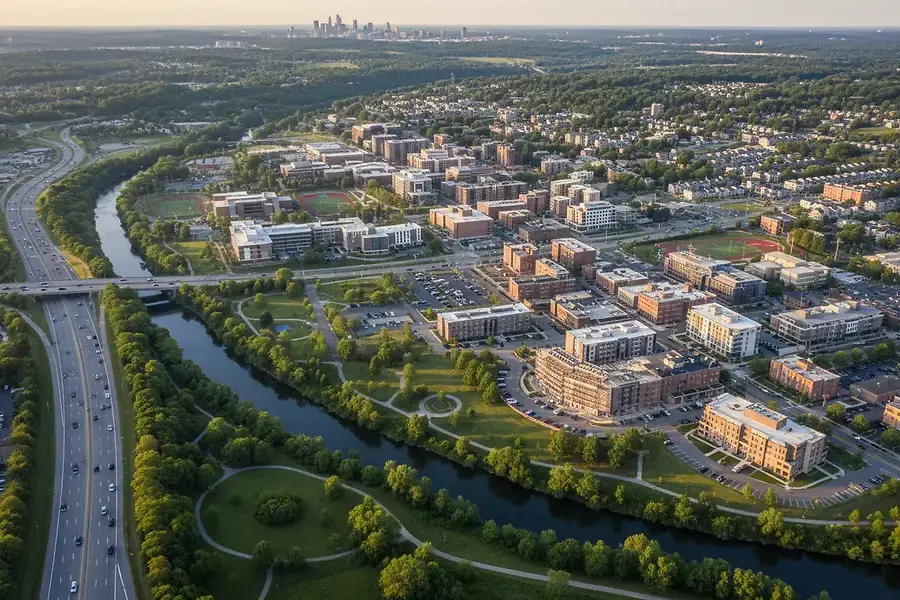
Introduction: The Commuter Advantage in Multi-County Markets
The corridor stretching between Washington, D.C. and Pittsburgh represents one of the most compelling real estate opportunities in the Eastern United States. While investors traditionally focus on major metropolitan centers, the communities positioned strategically between these two economic powerhouses offer a compelling alternative: affordable properties with exceptional growth potential.
This geographic sweet spot creates a unique market dynamic. Professionals working in either D.C. or Pittsburgh can access employment opportunities while enjoying significantly lower housing costs, shorter commutes than traditional suburban sprawl, and access to vibrant community amenities. For real estate investors, this translates to strong rental demand, appreciation potential, and diversification across multiple economic bases.
The corridor encompasses portions of West Virginia, Maryland, and Pennsylvania, creating a multi-state investment landscape with varying regulatory environments and market conditions. Understanding these nuances is essential for maximizing returns.
Emerging Growth Corridors: Where Affordability Meets Accessibility
The Residential Renaissance
Communities along Interstate 68 and Route 19 have experienced remarkable transformation. Towns that were once overlooked are now attracting young professionals, remote workers, and families seeking quality of life without the premium price tag. Key characteristics of these emerging markets include:
- Price-to-Income Ratios: Significantly lower than D.C. or Pittsburgh proper, making homeownership accessible to a broader demographic
- Remote Work Flexibility: The shift to hybrid and remote arrangements has expanded the commuter radius considerably
- Infrastructure Investment: State and federal funding for corridor development continues to improve connectivity and amenities
- Population Growth: Steady migration from expensive metros is driving demographic expansion
Strategic Market Positioning
The most promising residential markets share common characteristics. They typically feature:
Communities positioned 45-90 minutes from major employment centers offer the optimal balance of affordability and accessibility.
Towns like Morgantown, West Virginia; Cumberland, Maryland; and Uniontown, Pennsylvania exemplify this positioning. These communities offer established infrastructure, educational institutions, and cultural amenities that attract quality residents willing to invest in their futures.
Residential investors should focus on properties in neighborhoods experiencing revitalization efforts. Historic downtown districts undergoing renovation, areas near universities and medical centers, and communities with strong local employment bases offer the most stable returns.
The Rental Market Advantage
The rental market in corridor communities demonstrates exceptional strength. Multiple tenant bases—including:
- University students and faculty
- Healthcare workers commuting to regional medical centers
- Remote workers seeking affordable housing
- Families relocating from expensive metros
—create diverse demand streams that reduce vacancy risk and stabilize cash flow. Rental rates have appreciated steadily, with many markets experiencing 4-6% annual growth.
Commercial Real Estate Potential in Secondary Markets
Retail and Mixed-Use Development
Secondary markets along the corridor are experiencing a commercial renaissance. As populations grow and disposable incomes increase, demand for retail, dining, and entertainment venues expands accordingly. Mixed-use developments combining residential, retail, and office space are particularly attractive to investors and developers.
Downtown revitalization projects represent significant opportunities. Many corridor communities have launched initiatives to transform underutilized historic buildings into modern commercial and residential spaces. These projects often benefit from:
- Historic tax credits
- State and local economic development incentives
- Community support and foot traffic
- Lower acquisition costs compared to major metros
Office and Industrial Space
The logistics and light manufacturing sectors are increasingly decentralizing from major metros. The corridor's central location between D.C. and Pittsburgh, combined with excellent highway access, makes it attractive for distribution centers, light manufacturing, and regional office operations.
Industrial properties in corridor communities command strong rental rates and demonstrate low vacancy. Companies seeking to reduce real estate costs while maintaining regional accessibility are actively relocating to these secondary markets.
Healthcare and Education Real Estate
Universities and medical centers serve as economic anchors in many corridor communities. Real estate investments near these institutions—including student housing, medical office buildings, and professional services space—benefit from stable, long-term tenant bases and consistent demand.
The aging population trend ensures sustained demand for healthcare-related real estate, while educational institutions continue to expand their physical footprints to accommodate growing enrollments.
Conclusion: Positioning Your Portfolio in the Corridor's Future
The DC-Pittsburgh corridor represents a paradigm shift in real estate investment strategy. Rather than competing for limited inventory in expensive major metros, sophisticated investors are recognizing the exceptional value and growth potential in strategically positioned secondary markets.
Success in corridor markets requires:
- Thorough Market Research: Understanding local employment bases, population trends, and development plans
- Strategic Property Selection: Focusing on locations with strong fundamentals and growth catalysts
- Long-Term Perspective: Recognizing that corridor markets reward patient capital with steady appreciation
- Diversification: Balancing residential, commercial, and mixed-use investments across multiple communities
The window for exceptional value in corridor communities remains open, but it is closing. As more investors recognize these opportunities, prices will continue their upward trajectory. The time to position your portfolio in the corridor's future is now.
Whether you're seeking stable rental income, long-term appreciation, or commercial real estate returns, the communities between D.C. and Pittsburgh offer compelling opportunities for investors willing to look beyond traditional metropolitan markets.


