Comparing Home Prices Across Chicago's Top Residential Markets
Discover which suburban communities offer the best value for your real estate investment

Understanding the Chicago Residential Market Landscape
The Chicago metropolitan area continues to be one of the most dynamic real estate markets in the nation. With diverse neighborhoods ranging from urban centers to sprawling suburbs, prospective homebuyers face an important decision: where to invest their resources for maximum value and long-term appreciation. The current market presents unique opportunities for those willing to explore beyond the most obvious choices.
Chicago's residential market has evolved significantly, with shifting demographics and economic factors creating pockets of exceptional value. Whether you're a first-time homebuyer, an investor seeking rental income, or a family looking to upgrade, understanding the nuances of different communities is essential to making a sound financial decision.
Price Trends and Affordability Across 15 Key Communities
Premium Urban Neighborhoods
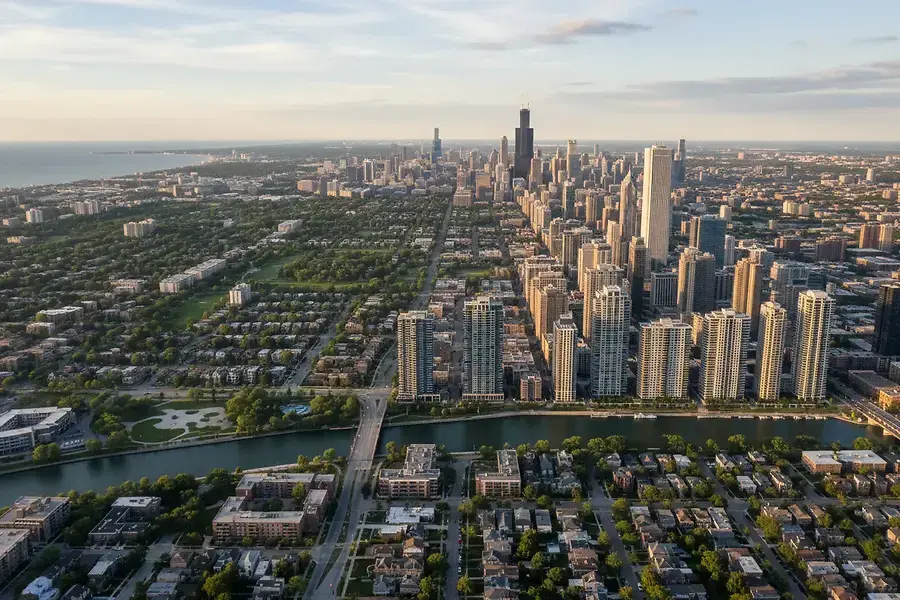
Downtown Chicago and its adjacent neighborhoods command premium prices, with median home values ranging from $450,000 to $750,000. Areas like Lincoln Park and the Gold Coast offer walkability, cultural amenities, and strong appreciation potential, though affordability remains a challenge for many buyers.
Established Suburban Communities
Communities such as Evanston, Oak Park, and Naperville have maintained their appeal with median prices between $350,000 and $550,000. These neighborhoods offer excellent schools, established infrastructure, and reliable property value appreciation. Their proximity to employment centers and public transportation makes them attractive to commuters.
Emerging Value Markets
Savvy investors are increasingly looking at emerging neighborhoods where prices remain more accessible. Areas like Pilsen, Bridgeport, and certain sections of the South Side offer median prices between $200,000 and $350,000, with significant development potential and community revitalization efforts underway.
Affordable Suburban Options
For budget-conscious buyers, communities further from the city center provide excellent value. Neighborhoods like Aurora, Joliet, and Elgin offer median prices between $250,000 and $400,000, with newer construction and family-friendly amenities. These areas are experiencing population growth and infrastructure improvements.
Key Price Insights
- Price appreciation: Established suburbs have seen steady 3-4% annual appreciation over recent years
- Inventory levels: Emerging neighborhoods show higher inventory, providing more negotiating power for buyers
- Market velocity: Premium neighborhoods experience faster sales cycles, while value markets offer more time for decision-making
- Financing options: First-time homebuyer programs are particularly competitive in developing areas
Neighborhood Features and Investment Potential by Location
Education and Schools
School quality remains a primary driver of home values across Chicago's suburbs. Communities with highly-rated school districts command premium prices but offer strong long-term value. Established neighborhoods like Hinsdale, Winnetka, and Glencoe consistently rank among the nation's best, while emerging areas are rapidly improving their educational infrastructure.
Transportation and Accessibility
Proximity to Metra lines, highways, and public transportation significantly impacts property values. Communities with direct access to downtown Chicago via public transit maintain stronger appreciation potential. However, neighborhoods with improving transit connections present emerging opportunities for value-conscious investors.
Commercial Development and Employment
Areas experiencing commercial growth and job creation show stronger real estate fundamentals. Tech corridors in areas like Schaumburg and Rosemont, along with revitalized downtown neighborhoods, offer excellent long-term investment potential. These communities attract younger professionals and support diverse housing demand.
Walkability and Lifestyle Amenities
Modern homebuyers increasingly value walkable neighborhoods with restaurants, shops, and entertainment options. Communities investing in downtown revitalization and mixed-use development—such as parts of Pilsen, Logan Square, and Wicker Park—are experiencing renewed interest and appreciation.
Investment Potential Summary
"The best real estate investment isn't always the most expensive property—it's the one positioned in a community experiencing positive momentum, with strong fundamentals, and room for appreciation."
Consider these factors when evaluating investment potential:
- Population trends: Communities with growing populations typically see stronger property appreciation
- Infrastructure investment: Look for areas receiving public and private development funding
- Rental market strength: Strong rental demand indicates healthy long-term investment potential
- Community stability: Established neighborhoods offer predictability, while emerging areas offer growth potential
- Demographic shifts: Areas attracting younger professionals and families show promising futures
Making Your Informed Decision in Today's Market
Define Your Investment Goals
Before comparing neighborhoods, clarify your objectives. Are you seeking a primary residence, an investment property, or a combination? Your timeline, budget, and lifestyle preferences should guide your search. First-time homebuyers may prioritize affordability and school quality, while investors might focus on rental income potential and appreciation rates.
Conduct Thorough Due Diligence
Visit neighborhoods at different times of day and week. Speak with current residents, local business owners, and real estate professionals. Review crime statistics, school ratings, property tax rates, and recent sales data. Understanding a community's trajectory is as important as its current state.
Consider the Total Cost of Ownership
Home price is just one factor. Property taxes, insurance, maintenance costs, and potential HOA fees vary significantly across Chicago's communities. A lower purchase price in a high-tax area might not offer better overall value than a higher-priced home in a lower-tax community.
Think Long-Term
Real estate is a long-term investment. While short-term market fluctuations occur, communities with strong fundamentals—good schools, employment opportunities, infrastructure investment, and population growth—typically deliver solid returns over 10+ year periods. Don't chase short-term trends; instead, invest in communities positioned for sustained growth.
Work with Local Experts
Partner with real estate professionals who understand Chicago's diverse markets. Local agents can provide insights into neighborhood trends, upcoming developments, and realistic pricing. Their expertise can help you identify emerging opportunities before they become widely recognized.
Chicago's residential market offers something for every buyer and investor. Whether you prioritize established stability or emerging potential, premium amenities or affordability, the key is conducting thorough research and aligning your investment with your personal goals and financial situation. By understanding the distinct characteristics and investment potential of different communities, you can make a confident decision that positions you for success in today's dynamic market.