Comparing Home Prices Across Metro Detroit's 10 Key Neighborhoods
Discover how residential values vary significantly between Detroit's inner suburbs and outer communities to make informed buying decisions.

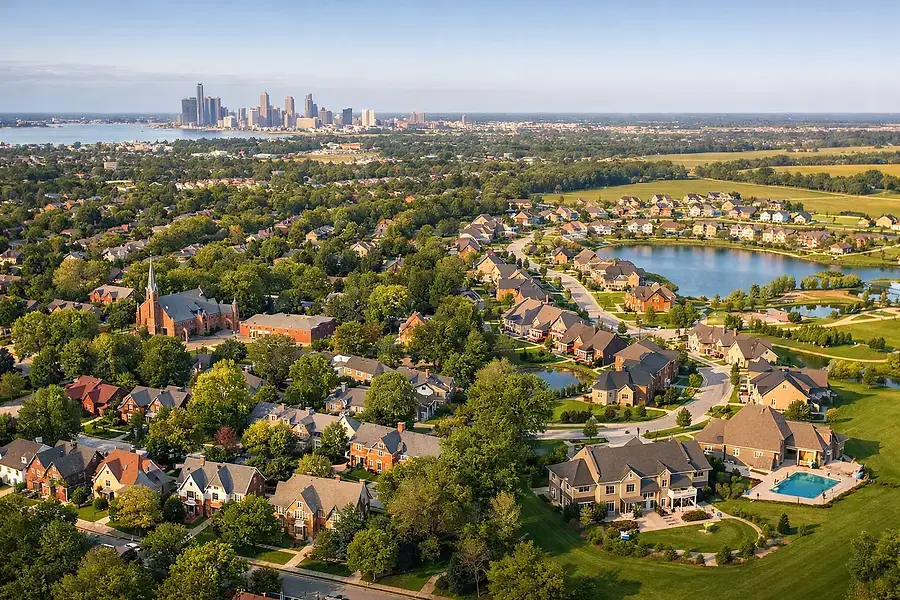
Understanding Price Variations in the Metro Detroit Market
The Metro Detroit real estate market presents a fascinating landscape of diverse neighborhoods, each with its own unique character and price point. Whether you're a first-time homebuyer or an experienced investor, understanding how residential values vary across the region is essential for making informed purchasing decisions. The difference between inner-ring suburbs and outer communities can be substantial, with prices ranging dramatically based on location, amenities, and community development.
Detroit's metropolitan area encompasses numerous communities, each offering distinct advantages and challenges. From the established, walkable neighborhoods closer to the city center to the newer, spacious developments on the outskirts, the market caters to a wide range of preferences and budgets. This comprehensive guide will help you navigate these 10 key neighborhoods and understand what drives their respective values.
Price Comparison: Inner-Ring Suburbs vs. Outer Communities
Inner-Ring Suburbs: Premium Locations with Established Appeal
The inner-ring suburbs surrounding Detroit have long been desirable locations for homebuyers seeking proximity to urban amenities while maintaining suburban living. These neighborhoods typically command higher price points due to their established infrastructure, excellent school systems, and convenient access to downtown Detroit.
- Grosse Pointe: Known for its prestigious reputation and waterfront properties, homes here represent some of the highest values in the region, often exceeding $500,000 for quality residences.
- Birmingham: This charming downtown area attracts buyers seeking walkability and vibrant community life, with median home prices ranging from $400,000 to $600,000.
- Bloomfield Hills: Offering luxury estates and excellent schools, this community maintains premium pricing with many homes valued above $750,000.
- Dearborn: With strong cultural diversity and solid schools, Dearborn provides more moderate pricing than some peers, typically ranging from $250,000 to $400,000.
- Royal Oak: This vibrant community balances urban energy with suburban comfort, with home prices generally between $300,000 and $500,000.
Outer Communities: Emerging Value and Spacious Living
The outer communities of Metro Detroit offer different advantages, including larger properties, newer construction, and more affordable entry points for homebuyers. These areas are experiencing growth and development, making them attractive for families seeking space and value.
- Canton: Located in the southwest, Canton offers newer homes and family-friendly amenities at more accessible price points, typically ranging from $200,000 to $350,000.
- Northville: Though slightly pricier than some outer communities, Northville combines excellent schools with suburban charm, with homes averaging $350,000 to $500,000.
- Livonia: This expansive community provides diverse housing options and strong schools at moderate prices, generally between $200,000 and $400,000.
- Troy: Known for its business district and modern amenities, Troy offers competitive pricing with homes typically valued between $250,000 and $450,000.
- Farmington Hills: Offering a mix of established and newer neighborhoods, this community provides options ranging from $200,000 to $450,000.
Factors Driving Value Differences Across These 10 Neighborhoods
School District Quality and Reputation
One of the most significant factors influencing home prices across Metro Detroit is school district quality. Neighborhoods with highly-rated schools consistently command premium prices, as families prioritize educational opportunities for their children. Inner-ring suburbs like Grosse Pointe and Bloomfield Hills have built reputations for academic excellence that directly impact property values.
Proximity to Employment Centers
Distance to major employment hubs, including downtown Detroit, the automotive industry centers, and emerging tech corridors, significantly affects neighborhood desirability. Communities offering convenient commutes to these areas typically maintain higher valuations. Inner-ring suburbs benefit from their central location, while outer communities compensate with newer infrastructure and lower prices.
Infrastructure and Development Stage
The age and condition of community infrastructure plays a crucial role in pricing. Established inner-ring suburbs have mature infrastructure but may face aging utilities and roads. Conversely, outer communities often feature newer infrastructure, modern utilities, and contemporary development patterns that appeal to different buyer demographics.
Walkability and Community Amenities
Walkable neighborhoods with vibrant downtown areas command premium prices. Communities like Birmingham and Royal Oak offer restaurants, shops, and entertainment within walking distance, attracting buyers willing to pay more for this lifestyle. Outer communities typically emphasize car-dependent suburban living with shopping centers and parks accessible by vehicle.
Housing Stock and Property Sizes
Inner-ring suburbs often feature smaller lots with established homes, while outer communities offer larger properties and newer construction. Buyers seeking spacious homes with modern amenities may find better value in outer communities, while those preferring walkable neighborhoods with character homes gravitate toward inner-ring options.
Market Trends and Future Development
Emerging neighborhoods with planned development projects and revitalization efforts may see price appreciation. Some outer communities are experiencing rapid growth, making them attractive investment opportunities. Meanwhile, established inner-ring suburbs maintain stable values based on their proven desirability and limited new construction.
Choosing the Right Community Based on Your Budget and Lifestyle
For Budget-Conscious Buyers
If affordability is your primary concern, outer communities like Canton, Livonia, and Farmington Hills offer excellent value. These neighborhoods provide quality homes, good schools, and community amenities at more accessible price points. You'll typically find more square footage for your investment and newer construction options.
For Lifestyle-Focused Buyers
If you prioritize walkability, cultural amenities, and established community character, inner-ring suburbs like Birmingham and Royal Oak justify their premium pricing. These neighborhoods offer vibrant downtown areas, excellent restaurants, and a strong sense of community that appeals to those seeking an urban-suburban blend.
For Luxury and Prestige Seekers
Grosse Pointe, Bloomfield Hills, and similar prestigious communities cater to buyers seeking luxury properties and exclusive neighborhoods. These areas offer waterfront access, estate properties, and established prestige that commands top-tier pricing.
For Growing Families
Families seeking excellent schools combined with reasonable pricing should consider communities like Northville and Dearborn. These neighborhoods balance educational quality with more moderate price points than the most exclusive communities.
"The key to finding the right neighborhood is understanding your priorities. Whether you value walkability, school quality, space, or affordability, Metro Detroit offers options across all price ranges and lifestyle preferences."
Conclusion: Making Your Decision
Metro Detroit's diverse neighborhoods offer something for every buyer, from budget-conscious families to luxury home seekers. Understanding the price variations between inner-ring suburbs and outer communities helps you make informed decisions aligned with your financial situation and lifestyle preferences. Take time to visit these neighborhoods, research school districts, and consider your long-term goals. Whether you choose the established charm of inner-ring suburbs or the spacious value of outer communities, Metro Detroit provides excellent opportunities for homeownership in a dynamic, growing region.