Comparing Home Prices Across Monmouth County's Residential Markets
Understand neighborhood valuations and find where your budget goes furthest in 2026.

Understanding Price Variations by Location
Monmouth County's real estate landscape is remarkably diverse, with home prices fluctuating significantly based on location. From the bustling waterfront communities to quiet suburban neighborhoods, each area offers distinct value propositions for buyers. Understanding these variations is essential for anyone looking to make a smart investment in the region.
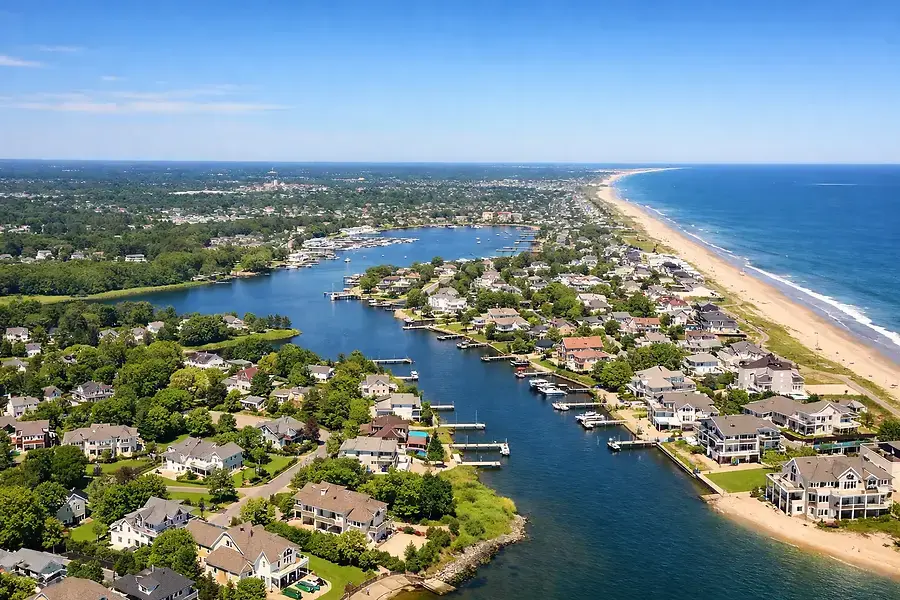
The county's premium neighborhoods, particularly those near the coast, command higher prices due to their proximity to beaches, water views, and established infrastructure. Communities like Red Bank and Long Branch showcase robust property values, with homes reflecting their desirable locations and amenities. Conversely, inland areas and emerging neighborhoods often provide more affordable options without sacrificing quality of life.
Coastal vs. Inland Markets
Coastal properties in Monmouth County typically range from $500,000 to over $2 million, depending on specific location and property characteristics. These areas attract buyers seeking lifestyle benefits and investment potential. Inland communities, meanwhile, offer competitive pricing that can be 20-40% lower, making them ideal for budget-conscious families and first-time homebuyers.
The difference in pricing reflects not just geography but also the amenities and services available in each area. Coastal neighborhoods benefit from tourism infrastructure, waterfront dining, and recreational opportunities that justify premium valuations.
Factors Driving Home Values in Monmouth County Communities
Several key factors influence property values throughout Monmouth County. Understanding these drivers helps buyers identify neighborhoods with strong appreciation potential and stable markets.
School District Quality
School ratings remain one of the most significant factors affecting home prices in Monmouth County. Neighborhoods with top-rated school districts consistently command higher prices, as families prioritize educational quality. Properties in areas served by excellent schools often appreciate faster and maintain stronger resale value.
Transportation and Accessibility
Proximity to major transportation corridors, including the Garden State Parkway and local transit options, significantly impacts property values. Communities with convenient commuting options to New York City and other employment centers attract more buyers, driving up prices. Areas with good public transportation access offer particular appeal to professionals and retirees alike.
Community Amenities and Infrastructure
The availability of parks, recreational facilities, shopping centers, and dining options influences neighborhood desirability. Well-maintained public spaces and modern infrastructure contribute to higher property valuations. Communities investing in amenities and upkeep typically see stronger market performance.
Recent Development and Revitalization
Neighborhoods undergoing revitalization projects often experience price increases as new businesses, restaurants, and cultural venues open. These emerging areas can offer excellent value for investors willing to buy before major appreciation occurs. Monitoring development plans helps identify neighborhoods poised for growth.
Market Demand and Demographics
Population trends and demographic shifts directly affect home prices. Areas attracting young professionals, families, and retirees experience increased demand and higher valuations. Understanding who is moving to specific neighborhoods provides insight into future market trends.
Making an Informed Purchase Decision
With multiple factors influencing home prices, buyers must approach their search strategically. Here are essential steps for making an informed decision:
Establish Your Budget and Priorities
Before exploring neighborhoods, determine your budget and list your priorities. Are you seeking excellent schools, waterfront access, or a quiet suburban setting? Understanding your needs helps narrow the search and ensures you're comparing appropriate properties.
Research Neighborhood Trends
Analyze recent sales data, price trends, and market forecasts for neighborhoods of interest. Look for areas showing consistent appreciation and stable markets. Speaking with local real estate agents provides valuable insights into neighborhood dynamics and future prospects.
Consider Long-Term Value
While current prices matter, consider how neighborhoods are likely to evolve. Areas with planned infrastructure improvements, new business development, or demographic growth may offer better long-term value than established neighborhoods with limited growth potential.
Evaluate Total Cost of Ownership
Home price is just one component of ownership costs. Property taxes, insurance, maintenance, and utilities vary significantly across Monmouth County. A less expensive home in a high-tax area might cost more overall than a pricier property in a lower-tax community.
Get Pre-Approved and Work with Professionals
Obtain mortgage pre-approval before house hunting to understand your actual purchasing power. Work with experienced real estate agents familiar with specific neighborhoods and a qualified home inspector to assess property condition. These professionals help ensure you're making a sound investment.
Conclusion: Your Next Move in Monmouth County
Monmouth County offers diverse residential options across a wide range of price points. Whether you're seeking a premium waterfront property or an affordable inland home, understanding local market dynamics is crucial for success. By researching neighborhoods, analyzing price trends, and considering your long-term goals, you can identify properties that offer the best value for your situation.
The key to smart real estate investing in Monmouth County is balancing current affordability with future appreciation potential. Take time to explore different communities, speak with local experts, and carefully evaluate how each neighborhood aligns with your lifestyle and financial goals. Your ideal home is out there—finding it requires knowledge, patience, and a strategic approach to the market.


