Comparing Home Values Across Greater Seattle's Neighborhoods
Discover how market prices vary from urban centers to suburban communities and what drives value in each region.

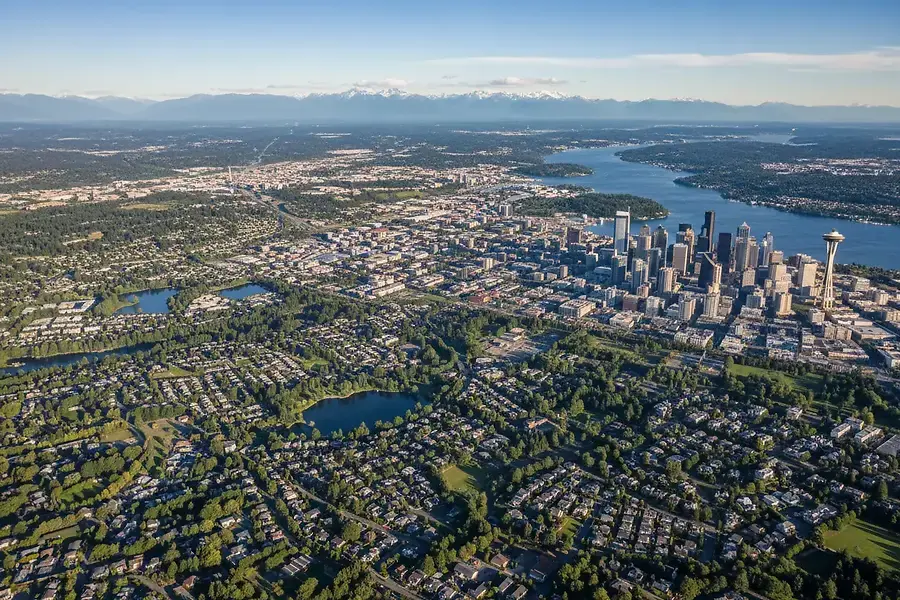
Understanding Market Dynamics Across 15 Key Communities
The Greater Seattle real estate market is remarkably diverse, with significant variations in home values across its 15 key communities. From the vibrant urban core of downtown Seattle to the tech-forward neighborhoods of the Eastside and the peaceful suburban communities beyond, each area tells a unique story about pricing, demand, and investment potential.
The Seattle metropolitan area encompasses neighborhoods that range from densely populated urban centers to sprawling suburban developments. Understanding these market dynamics is essential for anyone considering a home purchase or investment in the region. The variation in home values isn't random—it reflects deeper patterns of development, economic activity, and community characteristics that shape the desirability and affordability of each neighborhood.
Price Trends: Urban Seattle vs. Eastside Tech Hubs vs. Outlying Areas
Urban Seattle Core
Downtown Seattle and surrounding urban neighborhoods command premium prices, with median home values significantly higher than regional averages. These areas attract professionals seeking walkable communities with easy access to employment centers, restaurants, and cultural amenities. Capitol Hill, Ballard, and Queen Anne represent some of the most sought-after urban neighborhoods, where historic charm meets modern convenience.
The urban market has experienced steady appreciation driven by limited housing inventory and strong demand from young professionals and established families alike. Condominiums and townhomes dominate the urban landscape, offering alternatives to traditional single-family homes while maintaining the urban lifestyle appeal.
Eastside Tech Hubs
Redmond, Bellevue, and Kirkland have emerged as major employment centers, particularly with the concentration of technology companies in the region. Home values in these communities reflect their status as economic powerhouses, with median prices often exceeding those of urban Seattle. The Eastside offers a compelling combination of:
- Proximity to major tech employers and corporate headquarters
- Excellent school districts attracting families
- Modern infrastructure and planned communities
- Access to outdoor recreation and natural amenities
These neighborhoods appeal to both tech workers and families seeking suburban comfort with urban convenience. The investment potential remains strong due to continued economic growth and limited housing supply relative to demand.
Outlying Areas
Communities further from the urban core—such as Tacoma, Olympia, and Sammamish—offer more affordable entry points for homebuyers. While home values are lower, these areas are experiencing growth as remote work becomes more prevalent and commuting becomes less essential. Families increasingly choose these communities for their spacious properties, excellent schools, and strong sense of community.
Factors That Influence Home Values in Your Neighborhood
Location and Proximity to Employment
Commute times and access to major employers significantly impact home values. Neighborhoods within reasonable commuting distance to downtown Seattle, the Eastside tech corridor, or other employment centers command premium prices. As remote work evolves, this factor may become less dominant, but proximity to opportunity remains valuable.
School District Quality
Families prioritize excellent schools, making neighborhoods with top-rated school districts particularly desirable. Home values in these areas reflect the educational advantage, with buyers willing to pay premiums for access to quality education. School ratings, test scores, and community reputation all contribute to neighborhood desirability.
Walkability and Amenities
Neighborhoods offering walkable streets, local restaurants, shops, and entertainment venues attract buyers seeking convenience and lifestyle benefits. Urban neighborhoods with high walkability scores typically command higher prices than car-dependent suburban areas. Access to parks, trails, and recreational facilities also enhances neighborhood appeal.
Housing Supply and Inventory
Limited housing inventory drives prices upward, particularly in desirable neighborhoods where demand exceeds supply. Communities with restricted development or protected green spaces often experience stronger price appreciation. Conversely, areas with new construction and expanding inventory may offer better value for budget-conscious buyers.
Economic Growth and Development
Neighborhoods experiencing economic revitalization and new development often see accelerating home values. Areas attracting new businesses, restaurants, and cultural institutions become increasingly desirable. The Eastside's transformation into a tech hub exemplifies how economic growth drives real estate appreciation.
Community Character and Demographics
Each neighborhood possesses distinct character—from historic charm to modern development, from diverse urban communities to family-oriented suburbs. Buyers choose neighborhoods that align with their lifestyle preferences and values. Demographic trends, including age diversity and cultural richness, influence neighborhood appeal and long-term value.
Making an Informed Decision Based on Location and Investment Potential
Assess Your Priorities
Begin by clarifying what matters most to you: commute time, school quality, walkability, space, or investment appreciation potential. Different neighborhoods excel in different areas. Urban centers offer lifestyle and convenience; tech hubs offer economic stability and growth; outlying areas offer space and affordability.
Research Market Trends
Examine recent sales data, price trends, and inventory levels in neighborhoods you're considering. Look for patterns of appreciation or decline, and understand the factors driving these trends. Communities experiencing population growth and economic development typically offer stronger long-term investment potential.
Consider Your Timeline
Your investment timeline significantly influences which neighborhoods make sense for your situation. Short-term buyers should focus on stable, established neighborhoods with proven value. Long-term investors might consider emerging areas with growth potential, accepting current affordability for future appreciation.
Evaluate Neighborhood Fundamentals
Look beyond current prices to understand neighborhood fundamentals: employment opportunities, school quality, infrastructure investment, and development plans. Strong fundamentals suggest sustainable value and appreciation potential. Communities with diverse economic bases and multiple employment centers offer more stability than those dependent on single industries.
Think Beyond Today's Market
The best real estate decisions consider future potential, not just current conditions. Neighborhoods experiencing infrastructure improvements, new transit connections, or economic development may offer exceptional value before prices fully reflect these changes. Conversely, established neighborhoods with strong track records provide stability and predictable appreciation.
The Greater Seattle real estate market offers opportunities across diverse neighborhoods, each with distinct advantages. Success comes from understanding your priorities, researching market fundamentals, and choosing a location that aligns with both your lifestyle needs and investment goals.
Whether you're drawn to urban energy, suburban comfort, or the promise of emerging neighborhoods, Greater Seattle's diverse communities offer something for every buyer and investor. By understanding market dynamics and the factors driving value in each region, you can make confident decisions that serve your needs today and your financial goals tomorrow.


