Comparing Home Values Across Minnesota's West Metro Communities
Discover which suburban neighborhoods offer the best value for your family and investment goals.

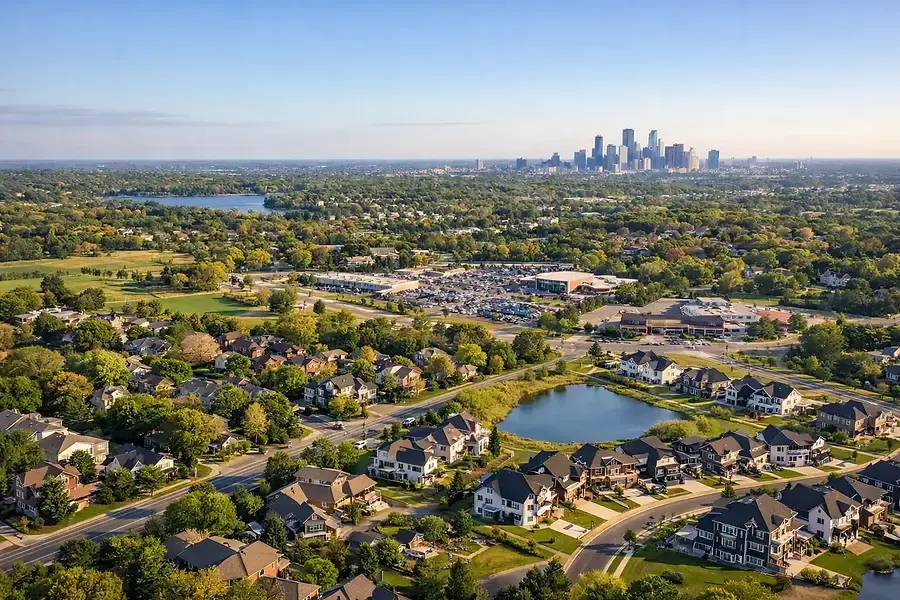
Understanding the West Metro Real Estate Landscape
Minnesota's West Metro region has become an increasingly attractive destination for homebuyers seeking a balance between suburban living and urban convenience. This dynamic area encompasses communities ranging from established neighborhoods to rapidly developing suburbs, each offering distinct characteristics and price points. Whether you're a first-time homebuyer, a growing family, or an investment-minded individual, understanding the nuances of this market is essential for making an informed decision.
The West Metro area has experienced significant growth over the past several years, driven by excellent schools, diverse employment opportunities, and a strong sense of community. However, with this growth comes variation in home values, market conditions, and neighborhood characteristics. By comparing these communities side by side, you can identify which area best aligns with your financial goals and lifestyle preferences.
Price Trends and Market Conditions by Community
Established Neighborhoods: Premium Value and Stability
Communities like Wayzata, Edina, and Minnetonka represent the more established neighborhoods in the West Metro. These areas command higher price points, typically ranging from $500,000 to over $1 million for single-family homes. While the initial investment is substantial, these communities offer:
- Proven appreciation history with consistent market stability
- Mature landscaping and well-established infrastructure
- Strong school districts consistently ranked among Minnesota's best
- Established community amenities including parks, trails, and recreational facilities
The market in these neighborhoods tends to be more stable, with homes appreciating steadily over time. While you'll pay a premium upfront, you're investing in proven communities with strong resale potential.
Mid-Range Communities: Growing Value and Opportunity
Communities such as Chanhaska, Bloomington, and Shakopee offer a compelling middle ground, with home prices typically ranging from $350,000 to $550,000. These areas are experiencing robust growth and represent excellent opportunities for buyers seeking:
- Better affordability compared to established neighborhoods
- Rapid development with new amenities and infrastructure improvements
- Strong employment centers including major corporate headquarters
- Diverse housing options from new construction to established homes
These communities are attracting young families and professionals who want suburban living without the premium price tag of more established areas. The growth trajectory in these neighborhoods suggests strong future appreciation potential.
Emerging Communities: Affordable Entry Points
Newer suburban communities on the outer edges of the West Metro, such as Carver and parts of Savage, offer the most affordable entry points, with homes starting around $250,000 to $400,000. These areas appeal to budget-conscious buyers and investors looking for:
- Lower purchase prices and reduced mortgage obligations
- New construction options with modern amenities and energy efficiency
- Expanding infrastructure and planned community development
- Investment potential as these areas continue to develop
While these communities may lack some of the established amenities of older neighborhoods, they offer significant potential for appreciation as infrastructure and services expand.
Neighborhood Amenities and Quality of Life Factors
Schools and Education
School quality remains a primary driver of home values across the West Metro. Established communities like Wayzata and Edina boast nationally recognized school districts with high graduation rates and test scores. Mid-range communities are rapidly improving their educational offerings, while emerging areas are investing heavily in new school construction to support growing populations.
Parks, Recreation, and Outdoor Activities
The West Metro is blessed with abundant natural amenities. Established neighborhoods feature mature parks and extensive trail systems, while developing communities are incorporating modern recreational facilities into their master plans. Consider proximity to:
- Regional parks and nature preserves
- Biking and walking trails
- Golf courses and sports facilities
- Water access and recreational opportunities
Shopping, Dining, and Entertainment
Communities closer to the Twin Cities core offer more immediate access to shopping and dining options. Established neighborhoods benefit from mature commercial districts, while emerging communities are developing new retail and restaurant spaces to serve growing populations. Consider your preferences for walkability versus car-dependent shopping experiences.
Commute and Transportation
The West Metro's proximity to major employment centers is a significant advantage. Communities like Chanhaska and Bloomington offer shorter commutes to downtown Minneapolis and major corporate parks. Evaluate commute times to your workplace, as this can significantly impact your quality of life and long-term satisfaction with your home purchase.
Community Character and Demographics
Each West Metro community has its own distinct personality. Some neighborhoods emphasize family-friendly environments with active parent organizations and youth programs, while others attract young professionals and empty nesters. Visit neighborhoods at different times of day to get a feel for community character and ensure it aligns with your lifestyle preferences.
Making Your Best Investment Decision
Choosing the right West Metro community requires balancing multiple factors: your budget, lifestyle preferences, investment timeline, and long-term goals. Ask yourself these key questions:
- What is your realistic budget, and how much home can you afford?
- How important are schools to your family's future?
- What amenities and lifestyle factors matter most to you?
- Are you looking for immediate appreciation or long-term stability?
- How important is commute time to your daily life?
Consider working with a local real estate professional who understands the nuances of each West Metro community. They can provide insights into market trends, neighborhood-specific conditions, and emerging opportunities that might not be immediately apparent to outside observers.
The best investment is the one that aligns with your personal and financial goals while providing a home where your family can thrive.
Minnesota's West Metro offers something for everyone—from premium established neighborhoods to affordable emerging communities. By carefully evaluating price trends, amenities, and quality of life factors, you can identify the community that offers the best value for your unique situation. Whether you're seeking stability, growth potential, or affordability, the West Metro's diverse neighborhoods provide excellent opportunities for homeowners and investors alike.


