Comparing Pittsburgh Suburbs: Commute Times, Prices, and Community Fit
Discover which Pittsburgh-area neighborhoods offer the best value for your lifestyle and work location.

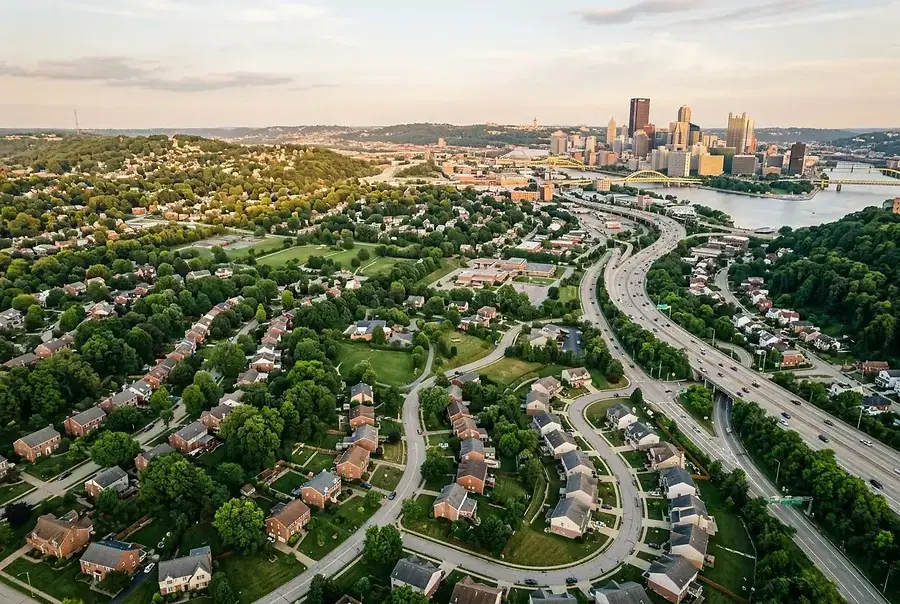
Understanding the Commute: How Location Affects Your Daily Life and Home Selection
When choosing where to live in the Pittsburgh area, the commute to your workplace can significantly impact your quality of life. A 45-minute daily commute means nearly 8 hours per week spent in transit—time that could be spent with family, pursuing hobbies, or simply relaxing. Beyond the time factor, commuting costs add up quickly through gas, vehicle maintenance, and wear-and-tear.
The Pittsburgh metropolitan area sprawls across multiple counties, with employment centers concentrated downtown, in the Strip District, and increasingly in tech corridors throughout the region. Your ideal suburb depends heavily on where you work and how much commute time you're willing to tolerate.
Commute Considerations Beyond Distance
Distance alone doesn't tell the whole story. Traffic patterns, highway conditions, and public transportation options all influence your actual commute experience. Suburbs with direct highway access to major employment centers often provide shorter commutes than neighborhoods that appear geographically closer but require navigating local roads.
Price Comparisons Across 12 Communities: What Your Budget Gets You in Each Area
Pittsburgh's suburbs offer remarkable diversity in housing costs, reflecting differences in school quality, amenities, and proximity to employment centers. Here's what you can expect across popular neighborhoods:
Premium Communities
- Sewickley: Median home prices around $450,000-$550,000. Known for excellent schools and upscale amenities, this historic borough attracts families seeking established neighborhoods with strong community character.
- Fox Chapel: Median prices $500,000+. Offers large estates, top-rated schools, and proximity to downtown while maintaining a rural feel with extensive green space.
- Squirrel Hill: Median prices $350,000-$450,000. A vibrant, diverse community with excellent schools, diverse dining options, and strong cultural institutions.
Mid-Range Communities
- Mount Lebanon: Median prices $300,000-$400,000. Consistently ranked among Pennsylvania's best school districts, with excellent parks and recreational facilities.
- Bethel Park: Median prices $280,000-$380,000. Offers good schools, family-friendly amenities, and reasonable commute times to downtown.
- Upper St. Clair: Median prices $320,000-$420,000. Known for outstanding schools and suburban comfort with convenient highway access.
- Shadyside: Median prices $250,000-$350,000. Urban feel with walkable streets, excellent restaurants, and cultural attractions despite being technically a neighborhood rather than a suburb.
Value-Oriented Communities
- Monroeville: Median prices $180,000-$280,000. Offers reasonable prices with good shopping and dining options, though commutes to downtown are longer.
- Cranberry Township: Median prices $220,000-$320,000. Growing community with new construction options and improving amenities, located north of the city.
- Wexford: Median prices $200,000-$300,000. Developing area with newer homes and good value, though still establishing its community character.
- Murrysville: Median prices $190,000-$290,000. Affordable option east of Pittsburgh with family-friendly amenities and reasonable commute times for those working in the eastern corridor.
Balancing Lifestyle Factors: Schools, Amenities, and Community Character Beyond the Price Tag
Price and commute are crucial, but they're only part of the equation. The best neighborhood for you must also align with your lifestyle priorities.
School Quality and Family Considerations
If you have school-age children, district quality often justifies premium prices. Mount Lebanon, Upper St. Clair, and Fox Chapel consistently rank among the state's top districts. However, excellent schools exist at various price points—research specific districts rather than assuming expensive always means better education.
Walkability and Urban Amenities
Prefer walking to restaurants and shops? Shadyside, Squirrel Hill, and Sewickley offer walkable main streets and vibrant commercial districts. Conversely, if you value quiet, car-dependent suburban living, communities like Wexford and Cranberry Township provide that experience at lower prices.
Community Character and Social Fit
Each neighborhood has distinct personality. Squirrel Hill offers cultural diversity and progressive values. Sewickley attracts those seeking established tradition and historic charm. Cranberry Township appeals to families wanting new construction and modern amenities. Visit neighborhoods at different times—weekday mornings, weekend afternoons, and evenings—to get a genuine feel for community life.
Parks, Recreation, and Outdoor Access
Pittsburgh's suburbs offer excellent parks and outdoor recreation. Mount Lebanon's parks are exceptional, while Fox Chapel provides natural beauty and hiking. Consider proximity to trails, sports facilities, and green space when evaluating neighborhoods.
Making Your Move: Using Commute and Value Data to Choose Your Perfect Pittsburgh-Area Home
With so many options, how do you decide? Start by establishing your non-negotiables: maximum acceptable commute time, budget ceiling, and essential lifestyle features.
Create Your Priority Matrix
List your top five priorities—perhaps commute time, school quality, walkability, price, and parks. Weight each factor's importance. This framework helps you compare neighborhoods objectively rather than being swayed by a single appealing feature.
Visit Multiple Times and Seasons
A neighborhood that feels perfect on a sunny Saturday afternoon might feel isolating on a rainy Tuesday evening. Visit potential communities multiple times, talk to residents, and imagine yourself living there year-round.
Calculate True Costs
Don't just compare home prices. Factor in property taxes (which vary significantly across Pittsburgh suburbs), commuting costs, and potential HOA fees. A less expensive home in a distant suburb might cost more overall when you account for gas and vehicle maintenance.
Think Long-Term
Consider how your needs might change. Will you need good schools in five years? Are you planning to age in place? Neighborhoods that seem perfect now might not serve your future self. Choose communities with staying power and amenities that will remain relevant to your life.
The Pittsburgh area's diverse suburbs mean there's genuinely something for everyone. Whether you prioritize a short commute, affordable housing, excellent schools, or vibrant community life, careful research and thoughtful comparison will lead you to your ideal neighborhood. Take time with this decision—your home is where you'll spend thousands of hours, and choosing the right suburb makes all the difference in your quality of life.


