Complete First-Time Home Buyer's Guide to Chicago Suburbs
Navigate the home buying process with confidence in Naperville, Schaumburg, Aurora, and surrounding communities.

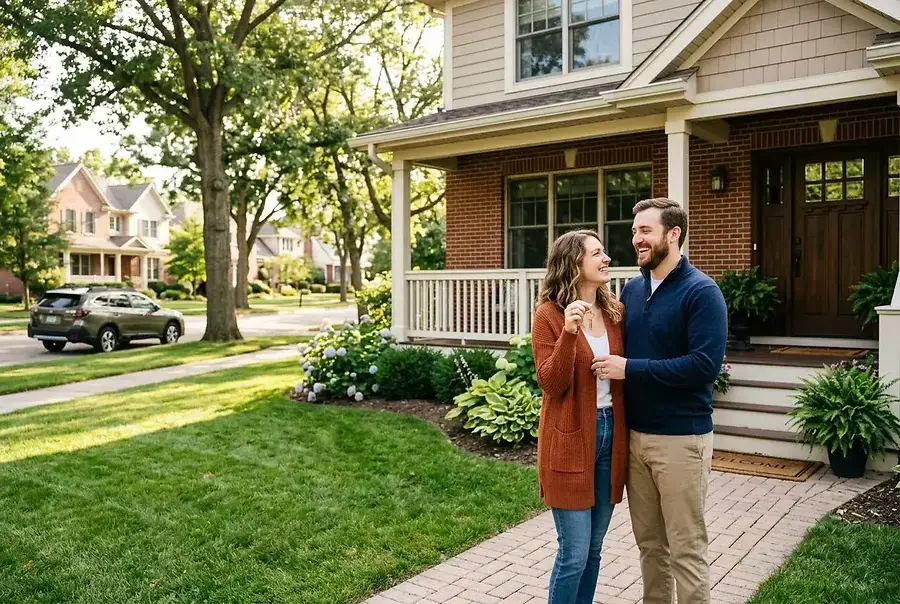
Understanding the Home Buying Process in Illinois Suburbs
Buying your first home in the Chicago suburbs is an exciting milestone, but it can also feel overwhelming without proper guidance. The process involves several key stages, each with its own requirements and timelines. Understanding these steps upfront will help you navigate the journey with confidence and avoid common pitfalls.
The home buying process in Illinois suburbs typically follows a structured path: getting pre-approved, searching for properties, making an offer, conducting inspections, securing financing, and closing the deal. Each stage builds on the previous one, so it's important to understand how they connect. Working with experienced real estate professionals who know the local market in communities like Naperville, Schaumburg, and Aurora can make a significant difference in your success.
Illinois has specific regulations and requirements for home purchases that differ from other states. Familiarizing yourself with these requirements early will save you time and stress later in the process.
Getting Pre-Approved and Understanding Your Budget
The Importance of Pre-Approval
Before you start looking at homes, getting pre-approved for a mortgage is essential. Pre-approval is different from pre-qualification—it involves a thorough review of your financial situation by a lender. This process includes verifying your income, credit history, employment, and assets. A pre-approval letter shows sellers that you're a serious buyer with the financial backing to complete the purchase.
Benefits of pre-approval include:
- Knowing your exact budget before house hunting
- Strengthening your offer when competing with other buyers
- Speeding up the closing process
- Identifying any credit issues early
- Locking in interest rates for a specified period
Determining Your Budget
Your pre-approval amount isn't necessarily what you should spend. Consider your monthly expenses, savings goals, and lifestyle. Most lenders recommend that your total monthly debt payments, including your new mortgage, shouldn't exceed 43% of your gross monthly income. However, this is a maximum—many financial advisors suggest staying closer to 28-30% for greater financial flexibility.
In Chicago suburbs like Naperville and Schaumburg, home prices vary significantly by neighborhood. Research average prices in your target communities to set realistic expectations. Don't forget to factor in additional costs like property taxes, homeowners insurance, HOA fees, and maintenance reserves.
Finding the Right Property in Your Target Community
Researching Chicago Suburb Communities
Each Chicago suburb has its own character, amenities, and price points. Naperville offers excellent schools and a vibrant downtown area. Schaumburg provides convenient access to O'Hare Airport and diverse shopping options. Aurora combines suburban charm with urban accessibility. Take time to visit these communities, explore neighborhoods, and envision yourself living there.
Key factors to research:
- School district ratings and quality
- Commute times to your workplace
- Local amenities and recreation facilities
- Property tax rates and trends
- Neighborhood safety and crime statistics
- Future development plans
Working with a Real Estate Agent
A knowledgeable real estate agent familiar with Chicago suburbs is invaluable. They understand local market conditions, can identify properties that match your criteria, and negotiate on your behalf. Interview multiple agents and choose someone who listens to your needs and has a strong track record in your target communities.
Your agent should provide you with comparative market analysis (CMA) to help you understand what homes are actually selling for versus their listing prices. This information is crucial for making competitive offers.
The Home Search Process
Start by creating a list of must-haves versus nice-to-haves. Must-haves might include the number of bedrooms, proximity to schools, or a specific price range. Nice-to-haves could be a pool, large lot, or updated kitchen. This clarity helps you stay focused during your search and prevents decision fatigue.
Attend open houses and schedule private showings. Don't rush this process—take time to explore each property thoroughly and imagine your daily life there. Pay attention to the condition of the home, potential repairs needed, and whether the layout works for your lifestyle.
Making an Offer, Inspections, and Closing the Deal
Crafting a Competitive Offer
Once you've found the right property, your agent will help you prepare an offer. Your offer should include the purchase price, earnest money deposit, proposed closing date, and any contingencies. In competitive Chicago suburb markets, you may need to offer above asking price, include fewer contingencies, or offer a larger earnest money deposit to stand out.
Remember: An offer is a legal document, so ensure all details are accurate and clearly stated. Your agent should explain every element before you sign.
The Inspection and Appraisal Process
After your offer is accepted, you'll typically have 7-10 days to conduct a home inspection. A professional inspector will examine the property's structure, systems, and components. This inspection protects you by identifying any significant issues before you're committed to the purchase.
The lender will also order an appraisal to ensure the property's value supports the loan amount. If the appraisal comes in lower than your offer price, you'll need to negotiate with the seller or increase your down payment.
Final Steps to Closing
As closing approaches, you'll finalize your mortgage details and review all closing documents. The title company will conduct a title search to ensure there are no liens or claims against the property. You'll also need homeowners insurance before closing.
At closing, you'll:
- Sign all final loan documents
- Receive the Closing Disclosure form (review this carefully)
- Conduct a final walkthrough of the property
- Wire your down payment and closing costs
- Receive the keys to your new home
Congratulations! You're now a homeowner in the Chicago suburbs. Take time to celebrate this achievement, then focus on settling into your new community and maintaining your investment for years to come.