Complete Flood Insurance Guide for Southwest Florida Property Owners
Essential coverage information for residential property owners in high-risk coastal and inland areas.

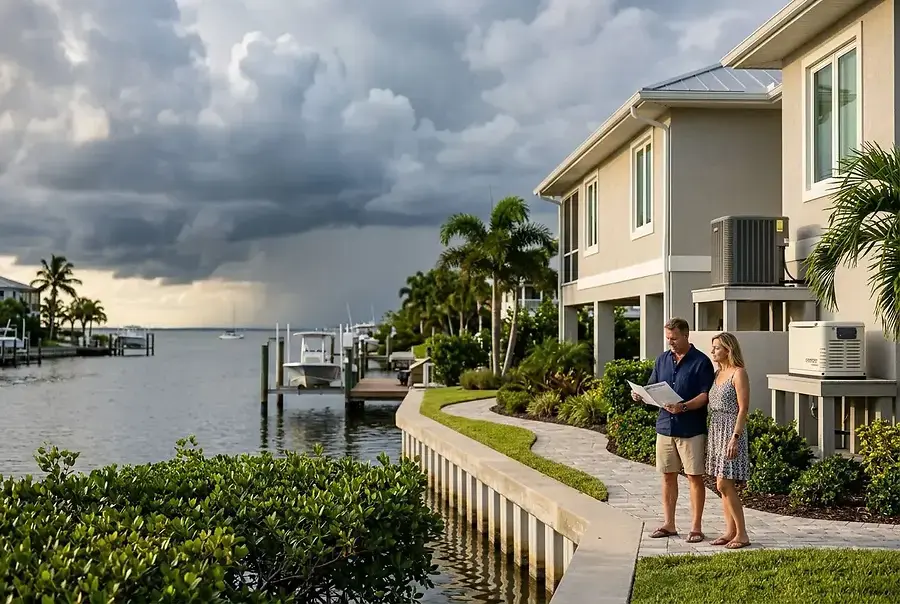
Understanding Flood Risk Zones Across Southwest Florida Communities
Southwest Florida faces unique flood challenges due to its coastal geography, low elevation, and seasonal weather patterns. The Federal Emergency Management Agency (FEMA) has designated specific flood risk zones throughout the region, and understanding where your property falls is the first step in securing adequate protection.
FEMA Flood Zone Categories
Properties in Southwest Florida typically fall into several flood zone categories. High-risk zones (A and V zones) are located in coastal areas and near waterways where flooding is most likely. Moderate-risk zones (B and X zones) represent areas with lower flood probability, while low-risk zones are typically inland areas with minimal flood exposure. Your property's flood zone designation directly impacts your insurance requirements and premiums.
Local Factors Affecting Flood Risk
Beyond FEMA designations, several local factors increase flood vulnerability in Southwest Florida:
- Proximity to the Gulf of Mexico and Atlantic Ocean
- Elevation relative to sea level and storm surge potential
- Drainage infrastructure and stormwater management systems
- Historical flooding patterns in your specific neighborhood
- Climate change and rising sea levels affecting coastal communities
Consulting with local flood mitigation experts can provide insights specific to your property's location and risk profile.
How Flood Insurance Works and What Your Policy Covers
The National Flood Insurance Program (NFIP)
Most flood insurance in Southwest Florida is provided through the National Flood Insurance Program, a federal program designed to provide affordable coverage where private insurers won't. NFIP policies cover both building damage and personal property loss caused by flooding, though coverage limits and deductibles vary based on your policy selection.
Coverage Components
A comprehensive flood insurance policy typically includes:
- Building coverage: Protects the structure, foundation, electrical systems, and permanently installed equipment
- Personal property coverage: Covers furniture, appliances, clothing, and other belongings damaged by flood
- Additional living expenses: Helps cover costs if you must temporarily relocate due to flood damage
- Deductible options: Typically ranging from $500 to $5,000, allowing you to lower premiums by accepting higher out-of-pocket costs
What Flood Insurance Does NOT Cover
It's equally important to understand coverage limitations. Flood insurance does not cover damage from wind, rain that doesn't result from flooding, or water backup from sewers and drains (unless you purchase additional endorsements). Landscaping damage, temporary structures, and certain valuable items also have coverage restrictions.
Cost-Saving Strategies for Homeowners and Buyers
Mitigation Improvements
One of the most effective ways to reduce flood insurance premiums is through property mitigation. Elevating utilities, installing flood vents, raising the structure, or creating flood barriers can significantly lower your annual costs. Many insurance companies offer premium discounts of 10-30% for completed mitigation work. FEMA's Hazard Mitigation Grant Program may even help fund these improvements.
Policy Optimization
Carefully review your coverage needs and consider these strategies:
- Increase your deductible to lower monthly premiums if you have emergency savings
- Bundle flood insurance with homeowners policies for potential discounts
- Explore private flood insurance options, which may offer better rates for lower-risk properties
- Review your coverage annually as property values and risk factors change
- Ask about preferred risk policies if your property qualifies for lower-risk rates
For Property Buyers
If you're purchasing property in Southwest Florida, factor flood insurance costs into your total housing expenses during the buying process. Request flood zone information and historical flood data from sellers. Consider hiring a flood risk assessment specialist to evaluate long-term exposure. Some lenders now require flood insurance verification before approving mortgages in high-risk areas.
Protecting Your Investment: Long-Term Planning for Flood-Prone Properties
Comprehensive Risk Assessment
Develop a long-term flood protection strategy by conducting a thorough risk assessment. Document your property's current condition with photographs and video, maintain detailed records of all improvements, and keep receipts for valuable items. This documentation proves invaluable when filing claims and helps establish replacement costs for personal property coverage.
Creating a Flood Preparedness Plan
Beyond insurance, establish a comprehensive preparedness plan:
- Develop an evacuation plan and identify safe routes from your area
- Create an emergency supply kit with essentials for at least two weeks
- Establish a communication plan with family members
- Know how to shut off utilities quickly if flooding occurs
- Keep important documents in waterproof, portable containers
- Maintain regular property maintenance to prevent water intrusion
Future-Proofing Your Property
Consider long-term investments that enhance your property's resilience. Installing sump pumps, improving drainage systems, upgrading to flood-resistant materials, and maintaining proper grading around your foundation all contribute to reducing flood damage risk. Some communities offer grants or low-interest loans for these improvements.
Staying Informed
Flood risk and insurance requirements evolve as climate patterns change and communities implement new mitigation strategies. Stay connected with local government flood management offices, subscribe to FEMA updates, and review your insurance coverage annually. Engage with neighborhood associations and community flood preparedness initiatives to stay informed about local developments and shared mitigation efforts.
Flood insurance is not optional for Southwest Florida property owners in high-risk zones—it's essential protection for your most valuable asset. By understanding your flood risk, selecting appropriate coverage, implementing cost-saving strategies, and maintaining long-term preparedness, you can protect your investment and ensure peace of mind regardless of weather conditions.