Complete Guide to Dallas Property Taxes, HOA Fees, and Hidden Costs
Learn how to calculate and budget for the ongoing costs that impact your Dallas home ownership experience.

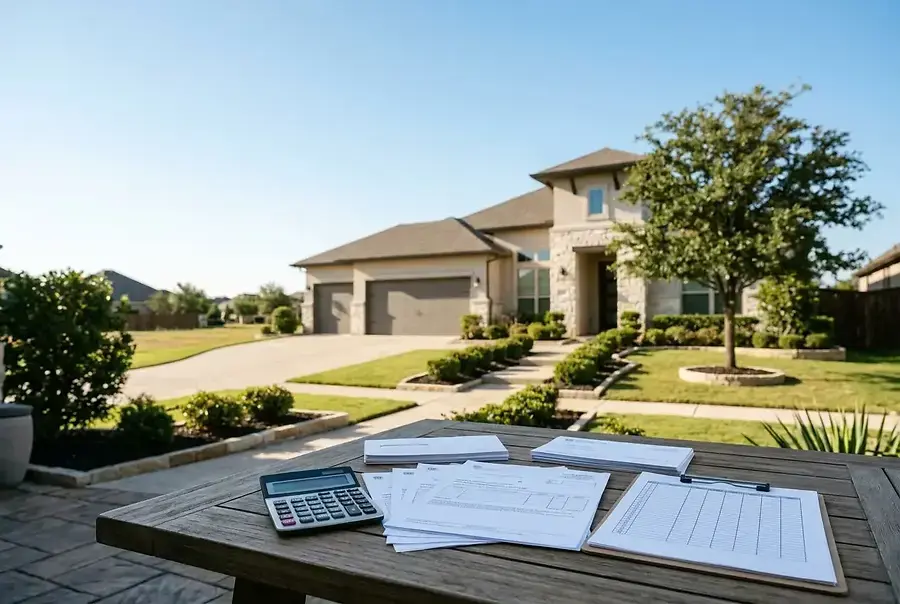
Understanding Dallas Property Tax Rates and Assessment Methods
Dallas property taxes are a significant component of homeownership costs that many buyers overlook during the purchasing process. The property tax rate in Dallas County typically ranges from 1.6% to 1.8% of your home's assessed value, though this can vary depending on your specific location and local taxing jurisdictions.
The Dallas Central Appraisal District (DCAD) is responsible for assessing property values in the Dallas area. Here's how the assessment process works:
- Annual Appraisal: Your property is appraised annually to determine its market value
- Homestead Exemption: Texas offers a homestead exemption that can reduce your taxable value by up to 20%
- Tax Rate Application: Your assessed value is multiplied by the local tax rate to determine your annual bill
- Appeal Process: You have the right to appeal your appraisal if you believe it's inaccurate
Pro tip: If your home's assessed value seems too high, you can file a protest with DCAD. Many homeowners successfully reduce their tax burden through this process.
Breaking Down HOA Fees and What They Cover
If you're purchasing a home in a Dallas community with a Homeowners Association, understanding HOA fees is crucial for budgeting. These monthly or annual fees typically range from $100 to $500+ per month, depending on the amenities and services provided.
What HOA Fees Usually Cover
- Common Area Maintenance: Landscaping, pool maintenance, and facility upkeep
- Insurance: HOA liability insurance for common areas
- Management Services: Administrative costs for running the association
- Amenities: Gym facilities, clubhouses, playgrounds, and recreational areas
- Utilities: Street lighting, water, and sewer for common areas
- Reserve Fund: Money set aside for major repairs and replacements
Hidden HOA Costs to Watch For
Beyond the standard monthly fee, be aware of additional expenses that may arise:
- Special Assessments: One-time charges for unexpected repairs or upgrades
- Architectural Review Fees: Charges for approving home modifications
- Late Payment Penalties: Additional fees if payments are missed
- Resale Transfer Fees: Costs associated with transferring HOA membership
Always request the HOA's financial statements and reserve study before purchasing. This gives you insight into the community's financial health and potential future assessments.
Strategies to Reduce Your Annual Property Tax Burden
Maximize Your Homestead Exemption
Texas residents can claim a homestead exemption that exempts a portion of your home's value from taxation. To qualify, your home must be your primary residence. The exemption can reduce your taxable value significantly, resulting in substantial annual savings.
File a Protest with DCAD
If you believe your property's assessed value is too high, you have the right to protest. Gather comparable sales data from your neighborhood and submit your appeal before the deadline. Many homeowners receive reductions of 5-15% through this process.
Look Into Tax Exemptions and Deferrals
Depending on your situation, you may qualify for additional exemptions:
- Over 65 Exemption: Seniors can receive additional tax relief
- Disability Exemption: Disabled homeowners may qualify for exemptions
- Tax Deferral Program: Seniors can defer property taxes under certain conditions
Consider Energy-Efficient Upgrades
Some Dallas jurisdictions offer tax incentives for energy-efficient home improvements. Solar panels, high-efficiency HVAC systems, and other green upgrades may qualify for tax credits or exemptions.
Planning Your Total Cost of Ownership
Calculate Your Complete Housing Costs
When budgeting for your Dallas home, don't just consider the mortgage payment. Your total cost of ownership includes:
- Mortgage Payment: Principal and interest
- Property Taxes: Annual tax bill
- HOA Fees: Monthly or annual assessments
- Homeowners Insurance: Typically $1,000-$2,000 annually
- Maintenance and Repairs: Budget 1-2% of home value annually
- Utilities: Electric, gas, water, and sewer
- Pest Control and Landscaping: If not covered by HOA
Create a Realistic Budget
A good rule of thumb is that your total monthly housing costs should not exceed 28-30% of your gross monthly income. This includes mortgage, taxes, insurance, and HOA fees.
Use this formula to estimate your annual costs: (Home Value × Tax Rate) + (Monthly HOA × 12) + Insurance + Maintenance
Plan for Future Increases
Property taxes and HOA fees typically increase annually. When budgeting, assume a 3-5% annual increase in these costs. This helps you prepare for rising expenses and avoid financial strain down the road.
Build an Emergency Fund
Beyond regular costs, maintain a separate emergency fund for unexpected home repairs. Major expenses like roof replacement, HVAC repair, or foundation work can cost thousands of dollars. Having 6-12 months of housing costs saved provides peace of mind and financial security.
Final thought: Understanding all the costs associated with Dallas homeownership allows you to make informed decisions and budget effectively. By taking time to research property taxes, HOA fees, and hidden expenses, you'll be better prepared for the financial responsibilities of owning a home in Dallas.


