Complete Guide to Denver Home Inspections for Informed Buyers
Discover the critical inspection items that protect your investment and prevent costly surprises in Denver's competitive real estate market.

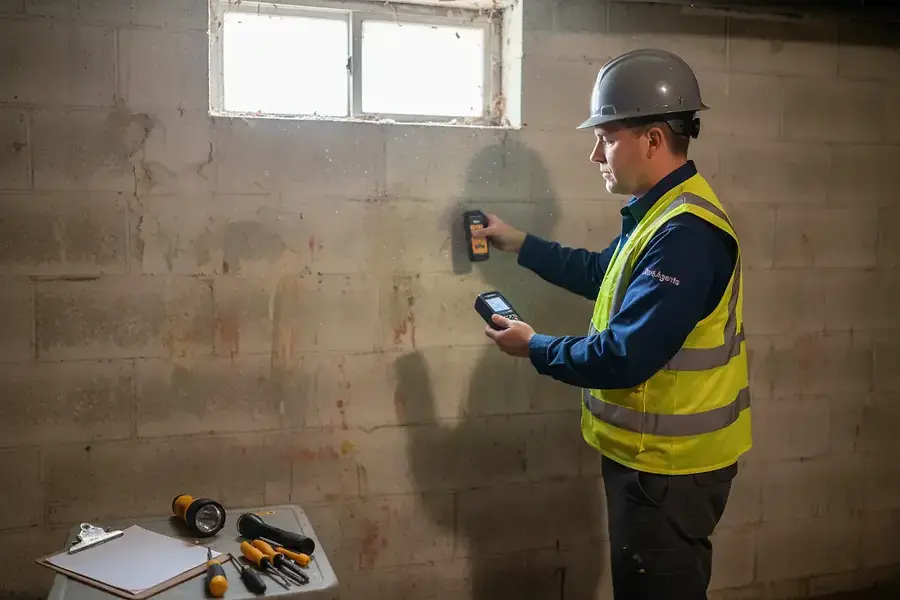
Understanding the Denver Home Inspection Process
A home inspection is one of the most critical steps in the home-buying process, especially in Denver's fast-paced real estate market. This comprehensive evaluation typically takes 2-4 hours and involves a licensed inspector examining the property's structural integrity, mechanical systems, and overall condition. Understanding what to expect during this process can help you feel more confident and prepared.
In Colorado, home inspectors must be licensed and follow specific standards set by the state. The inspection is typically contingent on your purchase agreement, meaning you have the right to back out or renegotiate if significant issues are discovered. It's essential to schedule your inspection within the timeframe specified in your contract, usually within 7-10 days of your offer being accepted.
What Happens During an Inspection
During the inspection, the professional will systematically evaluate every accessible part of the home. You have the right to be present during this process, and many experts recommend attending to ask questions and understand potential issues firsthand. The inspector will document findings with photographs and detailed notes that will appear in your final report.
Key Areas Inspectors Evaluate in Colorado Homes
Denver's unique climate and altitude present specific challenges that inspectors focus on when evaluating homes. Understanding these critical areas helps you know what questions to ask and what to prioritize.
Roof and Exterior
Colorado's intense sun, hail storms, and significant temperature fluctuations make the roof one of the most important inspection areas. Inspectors evaluate:
- Roof age and remaining lifespan
- Signs of hail damage or wear
- Proper flashing and water drainage
- Gutters and downspout condition
- Exterior walls and foundation integrity
HVAC and Heating Systems
With Denver's cold winters and high altitude, heating systems are crucial. Inspectors check furnace age, efficiency, and proper operation, as well as air conditioning systems for summer comfort. They'll verify that the system is appropriately sized for the home and functioning correctly.
Plumbing and Water Systems
Water quality and pressure can be concerns in the Denver area. Inspectors examine:
- Water pressure and flow rates
- Pipe materials and condition
- Water heater age and functionality
- Potential for mineral buildup from hard water
- Septic systems or well water quality (if applicable)
Electrical Systems
A thorough electrical inspection ensures safety and code compliance. This includes checking the panel, outlets, switches, and overall wiring throughout the home. Older homes in Denver may have outdated electrical systems that require upgrades.
Foundation and Basement
Denver's clay soil and altitude can affect foundations. Inspectors look for cracks, water intrusion, and structural issues. Basement moisture is a common concern in Colorado, so proper drainage and waterproofing are carefully evaluated.
How to Prepare for and Interpret Inspection Reports
Before the Inspection
Preparation is key to getting the most from your home inspection. Clear pathways to the attic, basement, and mechanical areas so the inspector can access everything. Make sure utilities are on and functioning. If you have questions about specific systems or previous repairs, have that information ready to discuss.
Understanding Your Report
Home inspection reports typically categorize findings into three levels:
- Major Issues: Significant problems requiring immediate attention or repair
- Minor Issues: Items that should be addressed but aren't urgent
- Recommendations: Suggestions for maintenance or improvements
Don't panic if your report includes issues—most homes have some items that need attention. The key is understanding which issues are deal-breakers and which are manageable.
Red Flags to Watch For
Certain findings warrant serious consideration:
- Structural damage or foundation problems
- Roof nearing end of life (less than 5 years remaining)
- Outdated electrical panels or wiring
- Significant water damage or mold
- HVAC systems requiring imminent replacement
Negotiating Repairs and Moving Forward with Confidence
Using Inspection Results in Negotiations
Your inspection report is a powerful negotiating tool. You have several options when issues are discovered:
- Request the seller make repairs before closing
- Ask for a credit toward repairs you'll handle yourself
- Renegotiate the purchase price based on repair costs
- Walk away from the deal if issues are too significant
Get repair estimates from licensed contractors to support your negotiations. This gives you concrete numbers to discuss with the seller's agent.
Working with Your Real Estate Agent
Your real estate agent can provide invaluable guidance on which issues are negotiable and what's typical for Denver homes. They understand local market conditions and can advise on whether your requests are reasonable given current market dynamics.
Moving Forward with Confidence
Once inspections are complete and negotiations are settled, you can move forward knowing you've done your due diligence. A thorough home inspection protects your investment and prevents costly surprises down the road. Schedule a final walkthrough before closing to verify that agreed-upon repairs have been completed.
Remember, buying a home is one of the largest investments you'll make. Taking time to understand the inspection process and carefully evaluating the results ensures you're making an informed decision in Denver's competitive real estate market.


