Complete Guide to Federal Way Home Inspections Before Buying
What every buyer needs to know before purchasing their Federal Way property.

Why Home Inspections Matter in Federal Way's Market
Purchasing a home is one of the most significant investments you'll make in your lifetime. In Federal Way's competitive real estate market, a professional home inspection is not just a recommendation—it's an essential step that protects your financial interests and gives you peace of mind. A thorough inspection can uncover hidden problems that might cost thousands of dollars to repair after closing, allowing you to negotiate better terms or walk away from a problematic property.
Federal Way's unique climate and geography create specific challenges for homeowners. The Pacific Northwest's wet weather, combined with the region's soil composition and seasonal changes, can lead to issues that inspectors specifically look for in this area. Whether you're a first-time buyer or an experienced investor, understanding what a home inspection entails is crucial to making an informed decision.
Key Areas Inspectors Examine in Pacific Northwest Homes
Roofing and Water Damage
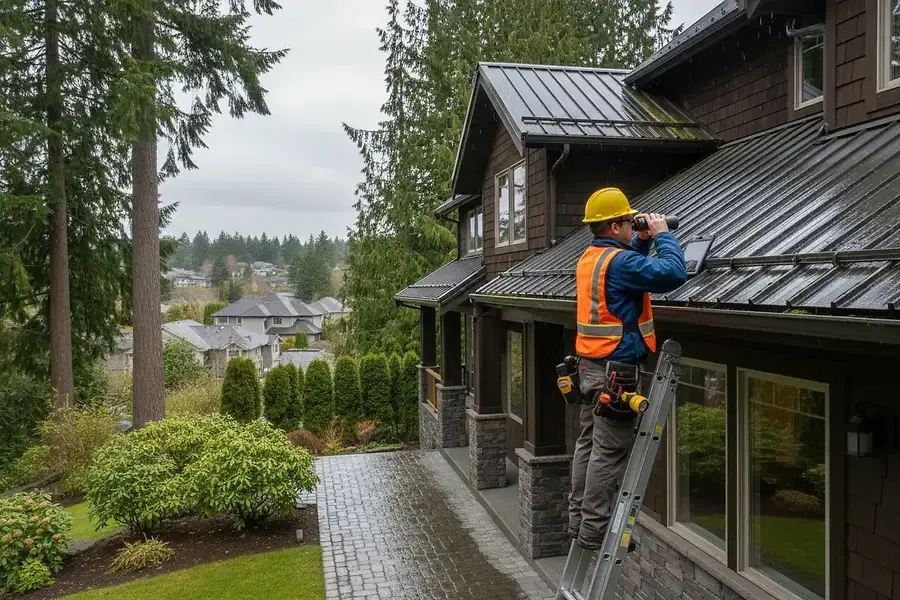
Given Federal Way's rainy climate, roofing is one of the most critical areas inspectors examine. They assess the roof's age, condition, and remaining lifespan. Inspectors look for missing shingles, improper flashing, and signs of water damage that could lead to costly repairs. The Pacific Northwest's moisture-heavy environment makes proper roof maintenance essential for preventing interior water damage.
Foundation and Structural Integrity
Inspectors carefully examine the foundation for cracks, settling, or signs of water intrusion. Federal Way's soil conditions and drainage patterns can affect foundation stability over time. They'll check for:
- Visible cracks in concrete or masonry
- Signs of water seepage or moisture
- Proper grading around the foundation
- Adequate drainage systems
Plumbing Systems
Water-related issues are particularly important in Federal Way homes. Inspectors test water pressure, check for leaks, examine pipe materials, and assess the water heater's condition. They also evaluate the septic system if the property isn't connected to municipal sewer lines. Older homes may have outdated plumbing that requires updating.
Electrical Systems
A comprehensive electrical inspection includes checking the panel, outlets, switches, and wiring. Inspectors verify that the system meets current safety codes and can handle modern electrical demands. Outdated or faulty electrical systems pose serious safety risks and may require expensive upgrades.
HVAC and Ventilation
Heating, ventilation, and air conditioning systems are evaluated for proper operation and maintenance. Given Federal Way's climate, efficient heating is particularly important. Inspectors assess the furnace or heat pump, ductwork, and ventilation to ensure adequate air quality and temperature control throughout the home.
Insulation and Energy Efficiency
Proper insulation is vital in the Pacific Northwest to maintain comfortable temperatures and reduce energy costs. Inspectors check attic insulation levels, wall insulation, and weatherstripping. They also look for air leaks that could compromise energy efficiency.
Common Issues Found in Federal Way Properties and How to Address Them
Moisture and Mold Problems
The most frequently encountered issue in Federal Way homes is moisture-related damage. The region's high rainfall and humidity create ideal conditions for mold growth and wood rot. If an inspection reveals moisture problems, you have several options:
- Request the seller make repairs before closing
- Negotiate a price reduction to cover remediation costs
- Hire a mold specialist for further evaluation
- Walk away from the property if problems are extensive
Aging Roofs
Many Federal Way homes have roofs nearing the end of their lifespan. A roof replacement can cost $8,000 to $15,000 or more. When an inspection reveals roof issues, consider requesting the seller replace it before closing or negotiate a credit toward replacement costs.
Outdated Plumbing and Electrical Systems
Galvanized pipes in older homes can corrode and restrict water flow. Knob-and-tube wiring is a fire hazard and should be replaced. These upgrades are significant investments, so factor them into your offer negotiations.
Poor Drainage and Grading
Improper grading around the foundation can direct water toward the house instead of away from it. This is a relatively inexpensive fix compared to foundation damage, but it's critical to address. Ensure gutters and downspouts direct water at least six feet away from the foundation.
Pest Damage
Termites and carpenter ants thrive in Federal Way's moist environment. Inspectors look for signs of pest damage, particularly in crawl spaces and wooden structures. Professional pest treatment and wood repair may be necessary.
Using Inspection Results to Make Confident Offers
A home inspection report provides valuable information for negotiation. Don't panic if the report identifies issues—most homes have some problems. The key is understanding the severity and cost of repairs.
Review the report carefully and prioritize issues by urgency and cost. Major structural problems or safety hazards should be addressed before closing. Minor cosmetic issues can often be overlooked or negotiated for small credits.
Use the inspection results to:
- Request repairs from the seller before closing
- Negotiate a price reduction based on repair costs
- Obtain repair estimates from licensed contractors
- Plan your own repairs and budget accordingly
- Make an informed decision about proceeding with the purchase
Pro Tip: Always hire a licensed, experienced home inspector who is familiar with Federal Way's specific climate and construction issues. A knowledgeable inspector can provide valuable insights into the property's condition and long-term maintenance needs.
A professional home inspection is your opportunity to thoroughly evaluate a property before committing to one of life's biggest purchases. In Federal Way's market, where moisture-related issues and aging homes are common, a detailed inspection can save you thousands of dollars and prevent future headaches. Take the time to understand the inspection report, ask questions, and use the findings to negotiate confidently with sellers. With this knowledge in hand, you'll be well-equipped to make a smart, informed decision about your Federal Way home purchase.