Complete Guide to Home Inspection Reports for MetroWest Boston Buyers
What every homebuyer should know before closing the deal in Westwood, Medfield, Dover, and Sherborn.

Introduction: Why Home Inspections Matter for MetroWest Boston Buyers
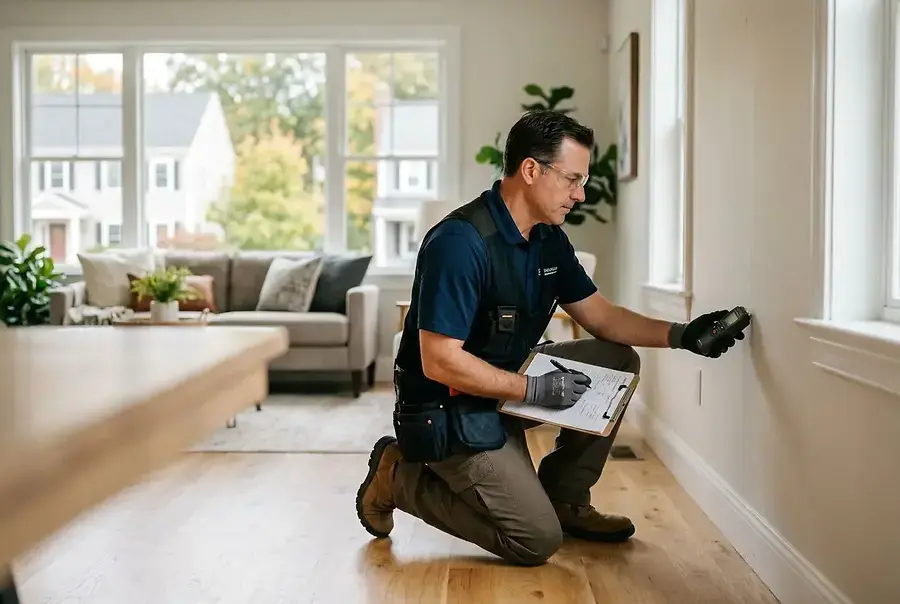
Purchasing a home in MetroWest Boston—whether in Westwood, Medfield, Dover, or Sherborn—represents one of the largest financial investments you'll make in your lifetime. A professional home inspection is your opportunity to understand exactly what you're buying before signing on the dotted line. Many homebuyers overlook the importance of thoroughly reviewing their inspection report, missing critical information that could affect their negotiating power and long-term satisfaction with their purchase.
A comprehensive home inspection provides an objective assessment of a property's condition, from the foundation to the roof. In the MetroWest Boston area, where homes range from historic colonial properties to modern suburban residences, understanding your inspection report is essential. This guide will help you decode common findings, distinguish between serious concerns and minor maintenance issues, and use your inspection report strategically during negotiations.
Decoding Common Inspection Findings and What They Mean for Your Purchase
Structural and Foundation Issues
The foundation is the backbone of any home. Inspectors look for cracks, water intrusion, and settling issues. Minor hairline cracks are common in older MetroWest Boston homes and typically don't require immediate action. However, large cracks, bowing walls, or evidence of water damage warrant further investigation by a structural engineer. These issues can be costly to repair and may affect your home's resale value.
Roofing and Exterior Concerns
Your roof is your home's first line of defense against New England weather. Inspectors assess shingle condition, flashing integrity, and overall remaining lifespan. Common findings include:
- Missing or damaged shingles
- Deteriorated flashing around chimneys and vents
- Moss or algae growth
- Gutters and downspout issues
A roof nearing the end of its life (typically 15-20 years) may require replacement within a few years, which is an important factor in your purchase decision and negotiation strategy.
Plumbing and Water Systems
Inspectors evaluate water pressure, drainage, and the condition of pipes. In MetroWest Boston's older homes, you might encounter galvanized steel pipes that are corroding or outdated cast iron drain lines. While these don't always require immediate replacement, understanding their condition helps you budget for future upgrades. Modern homes may have issues with water heater efficiency or improper grading that causes water to pool near the foundation.
Electrical Systems
A thorough electrical inspection checks panel capacity, outlet safety, and code compliance. Common findings include outdated panels, insufficient grounding, or missing GFCI outlets in bathrooms and kitchens. Knob-and-tube wiring, found in many older MetroWest homes, is a significant concern that may affect insurance rates and should be replaced.
HVAC and Climate Control
Heating and cooling systems are critical in New England. Inspectors assess furnace age, efficiency, and maintenance history. A system nearing the end of its lifespan (typically 15-20 years for furnaces) may need replacement soon, representing a substantial expense.
Red Flags vs. Minor Issues: Making Informed Negotiation Decisions
Serious Red Flags That Require Action
Certain inspection findings should give you pause and may warrant renegotiation or walking away:
- Structural damage including foundation cracks, bowing walls, or sagging floors
- Mold or severe moisture issues indicating water intrusion problems
- Outdated electrical systems like knob-and-tube wiring or inadequate panel capacity
- Asbestos or lead paint in homes built before the 1980s (common in MetroWest)
- Pest infestations including termites, carpenter ants, or rodents
- Septic system failures in properties not connected to municipal sewer
These issues often require professional remediation and can be expensive. Use them as leverage in negotiations or as justification for requesting a price reduction.
Minor Issues You Can Live With
Not every inspection finding requires action. Normal wear and tear is expected in any home:
- Cosmetic damage like worn paint or flooring
- Minor caulking or weatherstripping needs
- Small roof repairs or missing shingles (if roof is relatively new)
- Routine maintenance items like gutter cleaning
- Outdated fixtures that are still functional
These items are typically the buyer's responsibility after closing and shouldn't significantly impact your negotiating position.
Strategic Negotiation Tips
Get repair estimates: For significant findings, obtain written quotes from licensed contractors. This gives you concrete numbers for negotiations.
Prioritize your concerns: Focus on major systems (roof, foundation, electrical, plumbing) rather than cosmetic issues. Sellers are more likely to negotiate on structural concerns.
Request repairs or credits: You can ask the seller to make repairs before closing or provide a credit toward closing costs. Some sellers prefer credits to avoid contractor involvement.
Know when to walk away: If repair costs exceed your budget or the property has too many red flags, it's okay to move on. MetroWest Boston has plenty of homes on the market.
Conclusion: Using Inspection Reports to Protect Your Real Estate Investment
Your home inspection report is more than just a document—it's your roadmap to making an informed purchase decision. By understanding common findings, distinguishing between serious concerns and minor maintenance, and using this information strategically in negotiations, you protect your investment and avoid costly surprises after closing.
In MetroWest Boston's competitive real estate market, a thorough inspection and careful analysis of the report can mean the difference between a great investment and a financial burden. Take time to review every page, ask your inspector questions, and consult with professionals about any concerns. Your future self will thank you for the diligence you invest today.
Remember: A home inspection is one of the best investments you can make during the home buying process. Don't skip it, and don't ignore what it reveals.


