Complete Guide to Home Inspections for Atlanta Area Buyers and Sellers
What buyers and sellers need to know about the inspection process in Atlanta and surrounding areas.

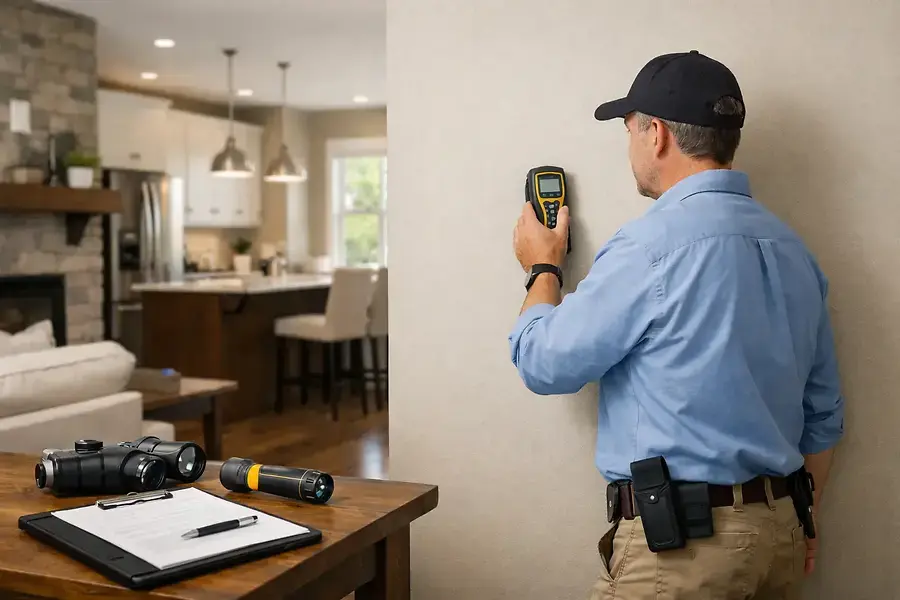
Understanding the Home Inspection Process
A home inspection is a critical step in any real estate transaction. It involves a thorough examination of a property's structural components, systems, and overall condition. In the Atlanta area, home inspections typically take between two to four hours, depending on the size and age of the property.
During the inspection, a certified home inspector will evaluate:
- Roof and attic conditions
- Foundation and structural integrity
- Plumbing and water systems
- Electrical systems and panels
- HVAC systems and heating/cooling units
- Insulation and ventilation
- Windows, doors, and exterior elements
- Interior walls, ceilings, and flooring
For buyers: The inspection is your opportunity to understand what you're purchasing and identify any potential issues before closing. For sellers: A pre-listing inspection can help you address problems proactively and increase buyer confidence.
Common Issues Found in Metro Atlanta Properties
Moisture and Water Damage
Atlanta's humid subtropical climate makes moisture-related issues one of the most common problems found in local properties. Inspectors frequently discover water stains, mold growth, and foundation moisture issues, particularly in basements and crawl spaces. Proper drainage and ventilation are essential in this region.
Roof Concerns
The combination of heat, humidity, and occasional severe weather in Atlanta can accelerate roof deterioration. Missing shingles, improper ventilation, and inadequate flashing are typical findings that may require repair or replacement.
HVAC System Issues
Given the reliance on air conditioning in the Atlanta area, HVAC systems are heavily used. Inspectors often find aging units, improper maintenance, and inadequate refrigerant levels. Regular maintenance can extend system life and improve efficiency.
Electrical and Plumbing Updates
Older homes in the Atlanta metro area may have outdated electrical panels, aluminum wiring, or aging plumbing systems. These issues can pose safety risks and may require upgrades to meet current standards.
Foundation Problems
The clay-heavy soil composition in parts of the Atlanta area can cause foundation settling and cracking. While minor cracks are common, significant structural issues should be evaluated by a structural engineer.
How to Prepare for Your Inspection
For Buyers
Schedule the inspection early: Arrange your inspection within the timeframe specified in your purchase agreement, typically within 7-10 days of making an offer.
Attend the inspection: Being present allows you to ask questions and understand issues firsthand. The inspector can explain findings and point out maintenance items.
Prepare a list of concerns: If you've noticed anything unusual about the property, share these observations with your inspector so they can pay special attention to those areas.
Review the report carefully: Take time to understand all findings and categorize them by severity—critical safety issues, major repairs, and minor maintenance items.
For Sellers
Make minor repairs: Address obvious issues like loose railings, broken fixtures, or clogged gutters before the inspection. These small fixes can prevent larger negotiations later.
Ensure access: Make sure the inspector can access all areas of the home, including the attic, basement, crawl space, and exterior components.
Gather documentation: Have records of recent repairs, maintenance, and system replacements readily available. This demonstrates responsible property ownership.
Be transparent: Disclose any known issues upfront. Honesty builds trust and prevents complications during negotiations.
Next Steps After Your Inspection Report
Reviewing the Report
Once you receive the inspection report, carefully review all findings. Reports typically categorize issues by severity and include photographs and detailed descriptions. Don't hesitate to contact your inspector if you need clarification on any points.
For Buyers: Negotiation Strategies
After reviewing the report, you have several options:
- Request repairs: Ask the seller to fix significant issues before closing
- Request credits: Negotiate a price reduction to cover repair costs yourself
- Request inspections: For major issues, ask for specialized inspections (structural, pest, etc.)
- Walk away: If critical issues exist, you may choose to terminate the contract, depending on your agreement terms
In the Atlanta market, negotiation outcomes depend on market conditions, the severity of issues, and your purchase agreement terms. Work with your real estate agent to develop a strategic approach.
For Sellers: Response Strategy
When you receive repair requests from the buyer:
- Evaluate each request carefully
- Obtain your own estimates for major repairs
- Decide which repairs you're willing to complete
- Respond promptly to keep the transaction moving forward
Being cooperative on reasonable requests can help close the deal smoothly and maintain your reputation in the community.
Moving Forward
Once inspection issues are resolved through negotiation or repair, the transaction can proceed toward closing. Keep all inspection documentation and repair receipts for your records. These documents are valuable for future reference and may be needed for warranty claims or insurance purposes.
A thorough home inspection protects both buyers and sellers by ensuring transparency and identifying potential issues early in the transaction process.