Complete Guide to Home Inspections for Austin Residential Buyers
Learn what professional inspectors evaluate and how to protect your investment in Austin's competitive market.

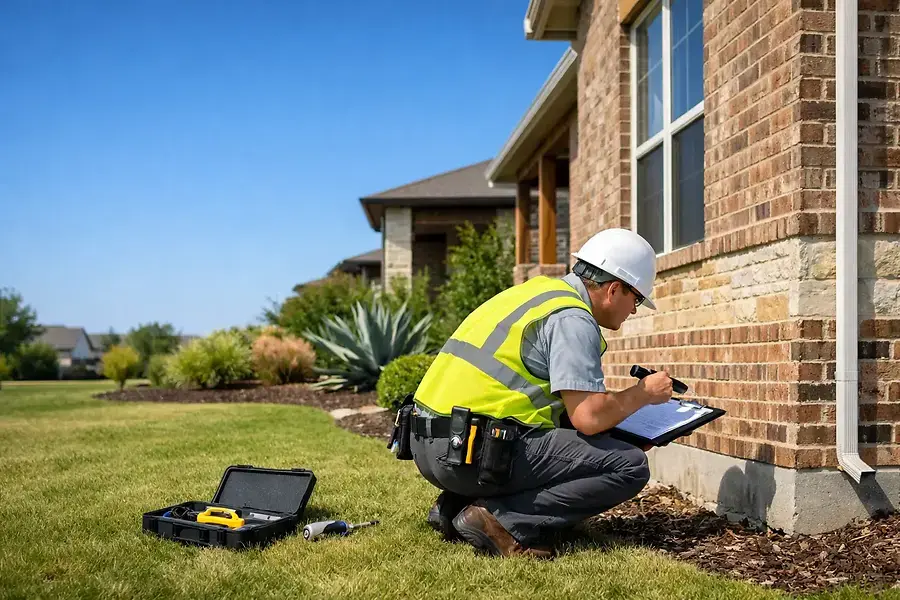
Introduction: Why Home Inspections Matter in Austin Real Estate
Purchasing a home is one of the most significant financial decisions you'll make, especially in Austin's fast-paced and competitive real estate market. With properties selling quickly and prices continuing to rise, it's easy to feel pressured to skip steps or overlook important details. However, a professional home inspection is one of the most valuable investments you can make as a buyer.
A thorough home inspection provides you with a detailed understanding of your potential property's condition, helping you make informed decisions and avoid costly surprises down the road. In Austin's unique climate and with its diverse housing stock—from historic homes to modern builds—understanding what inspectors look for can save you thousands of dollars and protect your investment.
What Professional Inspectors Evaluate in Austin Homes
Structural and Foundation Assessment
Austin's expansive clay soil can cause foundation issues, making this one of the most critical areas inspectors examine. Professional inspectors will look for:
- Cracks in the foundation or walls
- Uneven floors or sloping surfaces
- Signs of water damage or moisture intrusion
- Proper grading and drainage around the foundation
Foundation problems can be expensive to repair, so this assessment is crucial for Austin buyers.
Roof and Exterior Condition
Austin's intense sun and occasional severe weather mean your roof takes a beating. Inspectors evaluate:
- Roof age and remaining lifespan
- Missing, damaged, or curling shingles
- Proper ventilation and attic condition
- Gutters, downspouts, and exterior drainage
- Siding, windows, and door seals
A roof replacement can cost $10,000 or more, making this inspection component essential.
HVAC Systems
With Austin's hot summers and mild winters, your heating and cooling systems are vital. Inspectors check:
- Age and condition of air conditioning units
- Furnace or heating system functionality
- Proper refrigerant levels and airflow
- Ductwork condition and insulation
- Thermostat operation
Plumbing and Water Systems
Water quality and plumbing integrity are essential for any home. Professional inspectors examine:
- Water pressure and flow rates
- Pipe materials and condition (galvanized, copper, PVC)
- Water heater age and functionality
- Presence of leaks or water damage
- Septic system condition (if applicable)
Electrical Systems
Safety is paramount when it comes to electrical systems. Inspectors evaluate:
- Panel condition and capacity
- Proper grounding and bonding
- Outlet and switch functionality
- Presence of outdated wiring (knob-and-tube, aluminum)
- GFCI protection in wet areas
Interior Components
Beyond the major systems, inspectors also assess:
- Insulation levels in attic and walls
- Interior walls for cracks or water stains
- Doors and windows operation
- Kitchen and bathroom fixtures
- Appliances included in the sale
Red Flags to Watch For and How to Negotiate After Inspection Results
Major Red Flags
Foundation issues are among the most serious concerns. Look for diagonal cracks, bowing walls, or evidence of previous repairs. These can indicate structural problems requiring expensive remediation.
Roof damage or age nearing the end of its lifespan should raise concerns. If the roof is over 20 years old, budget for replacement soon after purchase.
Outdated electrical systems, particularly aluminum wiring or insufficient panel capacity, pose safety risks and may require upgrades before you can get homeowner's insurance.
Plumbing problems like galvanized pipes, active leaks, or low water pressure can indicate costly repairs ahead.
Negotiation Strategies
Once you receive the inspection report, you have several options:
- Request repairs: Ask the seller to fix identified issues before closing
- Request credits: Negotiate a reduction in the purchase price to cover repairs yourself
- Request inspections: Ask for specialized inspections (foundation, termite, mold) if major issues are found
- Walk away: If issues are severe and costly, you may choose to terminate the contract
In Austin's competitive market, sellers may be unwilling to negotiate on minor issues. Focus your negotiations on significant problems that affect safety, functionality, or long-term value.
Getting Specialized Inspections
If the general inspection reveals potential problems, consider hiring specialists:
- Foundation specialists for structural concerns
- Pest inspectors for termite or other pest damage
- Mold inspectors if water damage is present
- Radon testers for this naturally occurring gas
Conclusion: Making Informed Decisions With Professional Guidance
A professional home inspection is your opportunity to thoroughly understand what you're buying before you commit to one of the largest purchases of your life. In Austin's dynamic real estate market, where competition is fierce and properties move quickly, taking time for a proper inspection demonstrates wisdom and protects your financial interests.
Don't let the pressure of a competitive market rush you into skipping this critical step. Work with a qualified, experienced home inspector who understands Austin's unique climate, soil conditions, and building practices. Use the inspection results as a negotiating tool and a roadmap for future maintenance and repairs.
By understanding what inspectors evaluate, recognizing red flags, and knowing how to negotiate effectively, you'll be well-equipped to make informed decisions and protect your investment in Austin real estate. Your future self will thank you for the diligence you invest today.


