Complete Guide to Home Inspections for Bay Area Residential Buyers
Learn what professional inspectors look for and how to protect your investment across Alameda, Contra Costa, San Mateo, and Santa Clara counties.

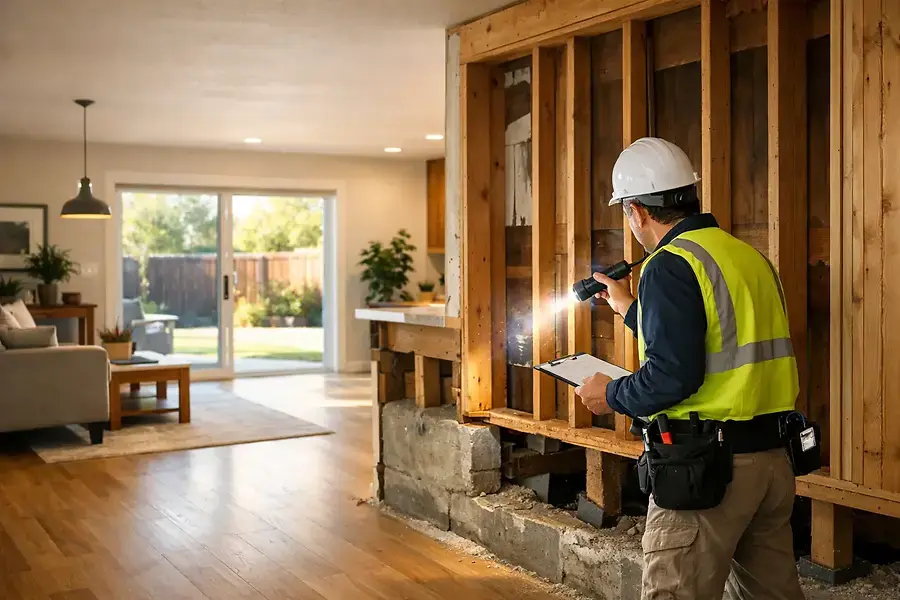
Introduction: Why Home Inspections Matter in the Competitive Bay Area Market
Purchasing a home in the Bay Area represents one of the most significant financial decisions you'll make. With competitive bidding wars and rapidly escalating property values across Alameda, Contra Costa, San Mateo, and Santa Clara counties, it's crucial to understand exactly what you're buying. A professional home inspection serves as your safeguard, providing an independent assessment of a property's condition before you commit to the purchase.
In the Bay Area's fast-paced real estate environment, many buyers feel pressured to waive inspections or accept properties as-is. However, this approach can lead to costly surprises after closing. A thorough inspection reveals hidden defects, structural issues, and maintenance needs that could significantly impact your investment's value and your quality of life.
Critical Areas Professional Inspectors Evaluate in Bay Area Homes
Structural Integrity and Foundation
Bay Area homes, particularly in Castro Valley and surrounding Alameda County communities, often sit on clay soil that can shift seasonally. Professional inspectors examine:
- Foundation cracks and settling patterns
- Basement or crawl space moisture issues
- Structural beam conditions and support systems
- Evidence of past foundation repairs or reinforcement
Identifying foundation problems early can save you tens of thousands of dollars in remediation costs.
Roofing and Weather Protection
The Bay Area's varied climate demands careful roof assessment. Inspectors evaluate:
- Roof age and remaining lifespan
- Shingle or tile condition and potential leaks
- Flashing around chimneys, vents, and skylights
- Gutter systems and water drainage patterns
A roof replacement can cost $15,000 to $30,000 or more, making this assessment critical for your budget planning.
Electrical Systems
Older Bay Area homes may have outdated electrical systems that don't meet current safety standards. Inspectors check:
- Panel capacity and condition
- Grounding and bonding systems
- Presence of aluminum wiring (a fire hazard)
- GFCI outlets in wet areas
- Overall system safety and code compliance
Plumbing and Water Systems
Water quality and plumbing reliability are essential concerns. Professional inspectors examine:
- Pipe materials and corrosion signs
- Water pressure and flow rates
- Septic systems or sewer connections
- Water heater age and condition
- Potential lead pipes in older homes
HVAC and Climate Control
Bay Area properties require reliable heating and cooling systems. Inspectors assess:
- Furnace or heat pump age and functionality
- Air conditioning system performance
- Ductwork condition and sealing
- Thermostat operation and efficiency
Insulation and Energy Efficiency
Many Bay Area homes lack adequate insulation, leading to higher utility bills. Inspectors evaluate attic insulation levels, wall insulation, and overall energy efficiency to help you understand long-term operating costs.
Common Issues Found in Castro Valley, Alameda County, and Surrounding Communities
Earthquake-Related Concerns
Living near fault lines means earthquake preparedness matters. Inspectors look for:
- Proper foundation bolting
- Cripple wall bracing in older homes
- Chimney bracing and reinforcement
- Water heater strapping
These safety features can be retrofitted, but knowing their current status helps you plan improvements.
Moisture and Mold Issues
The Bay Area's marine layer and seasonal rains create moisture challenges. Common findings include:
- Attic moisture and ventilation problems
- Basement dampness and water intrusion
- Mold growth in crawl spaces
- Poor grading directing water toward foundations
Outdated Systems and Materials
Many Bay Area homes contain older materials that need updating:
- Asbestos in insulation, floor tiles, or roofing
- Lead paint in homes built before 1978
- Outdated plumbing materials prone to failure
- Aging HVAC systems nearing replacement
Deferred Maintenance
Properties in competitive markets sometimes show signs of deferred maintenance:
- Worn exterior siding or trim
- Deteriorating deck structures
- Aging windows and doors
- Landscape drainage issues
Document all findings carefully, as these issues provide negotiation leverage during the purchase process.
Conclusion: Using Inspection Results to Negotiate and Secure Your Residential Investment
A professional home inspection report provides objective documentation of a property's condition. Armed with this information, you have several options:
Request repairs before closing, negotiate a price reduction to account for needed work, or request credits toward repairs you'll handle independently.
In the Bay Area's competitive market, inspection results can be the difference between a sound investment and a financial burden. Don't let pressure to move quickly prevent you from protecting your interests. A thorough inspection typically costs $400 to $800 but can reveal issues worth thousands of dollars.
Work with experienced inspectors familiar with Bay Area properties, regional building codes, and common issues in your specific community. Whether you're buying in Castro Valley, Alameda County, Contra Costa, San Mateo, or Santa Clara counties, a professional inspection ensures you understand your investment fully.
Your home is likely the largest purchase you'll ever make. Invest in a comprehensive inspection to protect that investment and make informed decisions about your Bay Area property.