Complete Guide to Home Inspections for Cincinnati Homebuyers
Learn what inspectors look for and how to protect your investment with this essential Cincinnati buyer's guide.

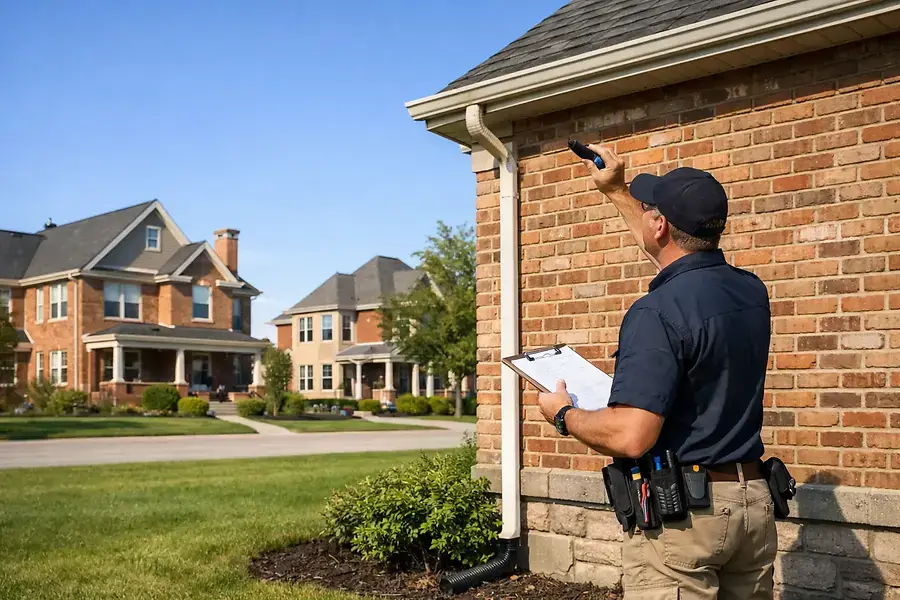
Understanding Cincinnati's Unique Home Inspection Requirements
When purchasing a home in Cincinnati, understanding the local inspection landscape is crucial for protecting your investment. Cincinnati's diverse housing stock—ranging from historic Victorian homes to modern suburban properties—means inspectors must be familiar with various construction styles and regional challenges.
Ohio requires home inspectors to be licensed and follow the state's Standards of Practice. However, Cincinnati-specific considerations include:
- Older home construction: Many Cincinnati properties were built before modern building codes, requiring specialized knowledge of outdated systems and materials.
- Basement moisture issues: The region's climate and soil composition make water intrusion a common concern in Cincinnati basements.
- Lead paint: Homes built before 1978 may contain lead-based paint, which requires specific testing and disclosure.
- Aging infrastructure: Older plumbing and electrical systems are prevalent in Cincinnati's established neighborhoods.
Before scheduling an inspection, ensure your inspector holds proper Ohio licensure and has experience with Cincinnati's housing market. Ask about their familiarity with the specific neighborhood and home age you're considering.
Critical Areas to Examine: Foundation, Roof, and Systems
Foundation and Structural Integrity
The foundation is your home's most critical component. Cincinnati inspectors pay special attention to:
- Cracks in basement walls or floors—particularly horizontal cracks indicating pressure issues
- Water stains, efflorescence, or active moisture seepage
- Bowing or leaning walls suggesting structural problems
- Settlement cracks in the main living areas
Pro tip: Ask your inspector to document all foundation observations with photos. This documentation becomes invaluable if issues develop later.
Roof Condition and Age
Cincinnati's weather—including heavy snow, ice, and wind—takes a toll on roofing systems. Inspectors evaluate:
- Shingle condition, curling, or missing granules
- Flashing integrity around chimneys, vents, and valleys
- Roof age and remaining lifespan
- Proper ventilation and attic conditions
A roof nearing the end of its life is a significant expense to budget for. Most asphalt shingle roofs last 15-20 years, so knowing the installation date helps you plan for replacement.
Plumbing and Electrical Systems
Older Cincinnati homes often have aging systems requiring careful inspection:
- Plumbing: Galvanized pipes, outdated fixtures, and water pressure issues are common in vintage homes. Inspectors test water flow and check for leaks.
- Electrical: Outdated panels, aluminum wiring, and insufficient outlets may need upgrading to meet modern safety standards.
- HVAC: Heating and cooling systems are evaluated for age, efficiency, and proper operation.
Understanding these systems' conditions helps you budget for potential upgrades and safety improvements.
Negotiating Repairs and Inspection Contingencies
Using Inspection Results Strategically
Your home inspection report is a powerful negotiating tool. After receiving the report, you have several options:
- Request repairs: Ask the seller to fix significant issues before closing.
- Request credits: Negotiate a price reduction to cover repair costs yourself.
- Request inspections: For major issues, ask for specialized inspections (structural engineer, pest control, etc.).
- Walk away: If issues are severe and costly, you may choose to terminate the purchase.
Focus negotiations on major structural, safety, and system issues rather than cosmetic concerns. Sellers are more likely to address foundation problems or electrical hazards than minor aesthetic issues.
Understanding Inspection Contingencies
Most purchase agreements include inspection contingencies—typically allowing 7-10 days to complete the inspection and negotiate repairs. This contingency period is your protection window. Use it wisely by:
- Scheduling the inspection promptly after your offer is accepted
- Attending the inspection to ask questions and understand findings
- Reviewing the full report carefully before negotiating
- Communicating repair requests in writing to avoid misunderstandings
Don't waive your inspection contingency to make your offer more competitive. This protection is worth far more than a slightly lower purchase price.
Moving Forward with Confidence After Your Inspection
Creating a Maintenance Plan
After your inspection, use the report to establish a maintenance schedule. Prioritize:
- Immediate safety issues: Electrical hazards, structural concerns, or code violations
- System maintenance: HVAC servicing, plumbing checks, and roof inspections
- Preventive measures: Basement waterproofing, gutter cleaning, and caulking
A proactive maintenance approach prevents small issues from becoming expensive problems.
Keeping Records and Planning Ahead
Maintain a home maintenance file including:
- Your complete inspection report
- Repair receipts and contractor information
- Warranty documentation for replaced systems
- Photos documenting the home's condition
This documentation protects your investment and proves maintenance efforts if you sell later.
Final Thoughts
A thorough home inspection is one of the most important steps in the Cincinnati homebuying process. By understanding what inspectors evaluate, asking the right questions, and using inspection results strategically, you protect your investment and avoid costly surprises. Remember: an inspection isn't just about finding problems—it's about making an informed decision about one of life's biggest purchases.
Work with experienced professionals, stay engaged throughout the process, and don't hesitate to ask questions. Your Cincinnati home should be a source of pride and security, and a comprehensive inspection helps ensure exactly that.


