Complete Guide to Home Inspections for Delaware Residential Buyers
Discover what professional home inspectors look for and how to protect your investment in Delaware's competitive market.

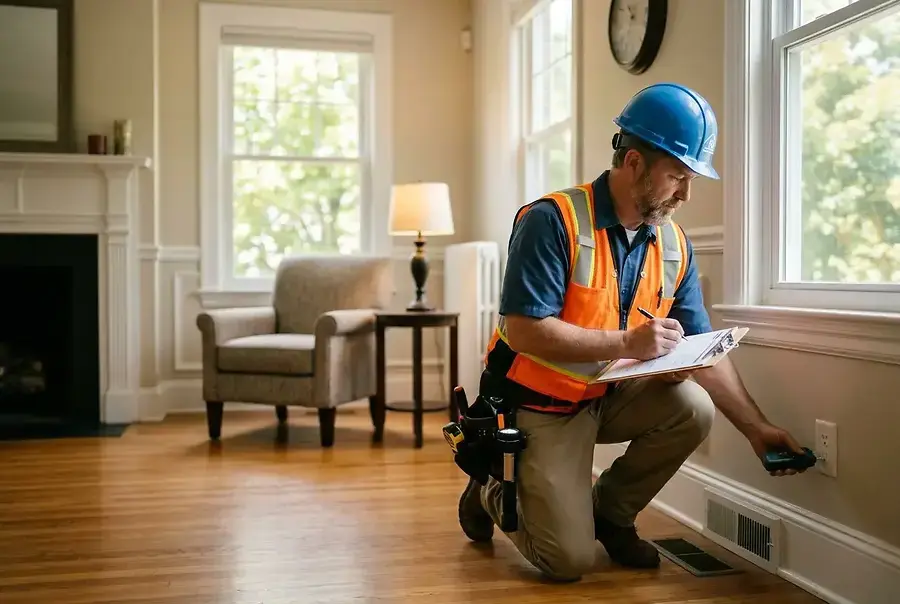
Why Home Inspections Matter in Delaware's Residential Market
Purchasing a home is one of the most significant financial decisions you'll make, and in Delaware's competitive real estate market, having a thorough home inspection is essential. A professional home inspection provides an objective evaluation of a property's condition, helping you understand exactly what you're investing in before signing the final paperwork.
Many buyers in Delaware overlook the importance of inspections or rush through the process to stay competitive in a fast-moving market. However, skipping this crucial step can lead to unexpected repairs, safety hazards, and financial losses down the road. A comprehensive inspection report gives you leverage to negotiate repairs or price adjustments with the seller, ensuring you're making an informed decision.
Key benefits of home inspections include:
- Identifying structural issues before they become expensive problems
- Uncovering hidden defects in systems like plumbing, electrical, and HVAC
- Providing documentation for insurance and warranty purposes
- Giving you negotiating power with sellers
- Protecting your investment and peace of mind
Key Areas Inspectors Examine in Delaware Homes
Professional home inspectors follow a comprehensive checklist when evaluating residential properties. Understanding what they look for helps you ask informed questions and better understand your inspection report.
Structural Components and Foundation
Inspectors carefully examine the foundation, basement, crawl spaces, and structural supports. In Delaware, where moisture and humidity can be concerns, they look for signs of water damage, cracks, settling, and deterioration. A solid foundation is critical to a home's longevity and safety.
Roofing and Exterior
The roof is your home's first line of defense against the elements. Inspectors assess the roof's age, condition, and remaining lifespan. They also examine siding, gutters, downspouts, windows, doors, and exterior walls for damage, wear, and proper drainage. Delaware's coastal proximity means inspectors pay special attention to weather-related wear.
Plumbing Systems
A thorough plumbing inspection checks water pressure, drainage, pipe materials, and water heater condition. Inspectors look for leaks, corrosion, outdated materials, and code violations. They test fixtures throughout the home and inspect both visible and accessible pipes.
Electrical Systems
Electrical safety is paramount. Inspectors examine the main panel, circuit breakers, wiring, outlets, and switches. They verify that the electrical system meets current codes and can safely handle the home's power demands. Outdated or unsafe electrical systems are common issues in older Delaware homes.
HVAC Systems
Heating, ventilation, and air conditioning systems are tested for proper operation, age, and maintenance. Inspectors check furnaces, air conditioners, thermostats, and ductwork. They assess whether systems are appropriately sized for the home and functioning efficiently.
Interior Components
Inspectors examine walls, ceilings, floors, doors, windows, and stairs for damage, settling, or safety concerns. They check for signs of pest infestations, mold, or water damage. Attics and crawl spaces are inspected for proper ventilation, insulation, and structural integrity.
Appliances and Built-ins
While not always included in standard inspections, many inspectors test major appliances like ovens, dishwashers, and refrigerators. They verify that built-in systems function properly and note their age and condition.
Understanding Your Inspection Report and Next Steps
After the inspection, you'll receive a detailed report documenting the inspector's findings. Understanding this report is crucial for making your next move.
Report Organization and Severity Levels
Most inspection reports categorize findings by severity: major issues requiring immediate attention, minor concerns, and maintenance recommendations. Major issues might include structural problems, electrical hazards, or failing systems. Minor issues could be cosmetic or easily fixable problems. Maintenance recommendations are suggestions for keeping the home in good condition.
Asking Questions and Getting Clarification
Don't hesitate to contact your inspector with questions about the report. Ask for clarification on technical terms, estimated repair costs, and the urgency of addressing issues. A good inspector will be happy to explain their findings in detail.
Negotiating with the Seller
Armed with your inspection report, you have several options:
- Request repairs: Ask the seller to fix major issues before closing
- Request credits: Negotiate a price reduction to cover repair costs yourself
- Request escrow: Have funds held in escrow to ensure repairs are completed
- Walk away: If issues are too severe, you may have grounds to terminate the contract
The strength of your negotiating position depends on the local market conditions, the severity of issues found, and your willingness to walk away from the deal.
Planning for Future Maintenance
Even if the inspection reveals no major issues, use the report as a maintenance guide. Note the age of systems and plan for future replacements. A roof with 15 years of life remaining, for example, should be budgeted for replacement in the coming years.
Final Thoughts: Making Informed Decisions as a Delaware Homebuyer
A professional home inspection is an investment in your peace of mind and financial security. In Delaware's competitive market, taking time to thoroughly evaluate a property sets you apart from rushed buyers and protects your interests.
Remember: A home inspection isn't about finding reasons to back out of a deal—it's about understanding what you're buying and making informed decisions about your investment.
Work with a qualified, licensed home inspector who has experience with Delaware properties. Ask for references, verify credentials, and ensure they provide detailed written reports. Your real estate agent can recommend inspectors, but you should hire the inspector directly to ensure their loyalty is to you, not the seller.
By understanding what inspectors look for, carefully reviewing your inspection report, and using the findings to negotiate effectively, you'll be well-positioned to make a confident purchase decision. A thorough home inspection is one of the most important steps in the homebuying process—don't skip it.