Complete Guide to Home Inspections for Greater Houston Area Buyers
Learn what professional inspectors look for and how to protect your investment when purchasing residential property in Hempstead, Conroe, Magnolia, Spring, Tomball, and Houston.

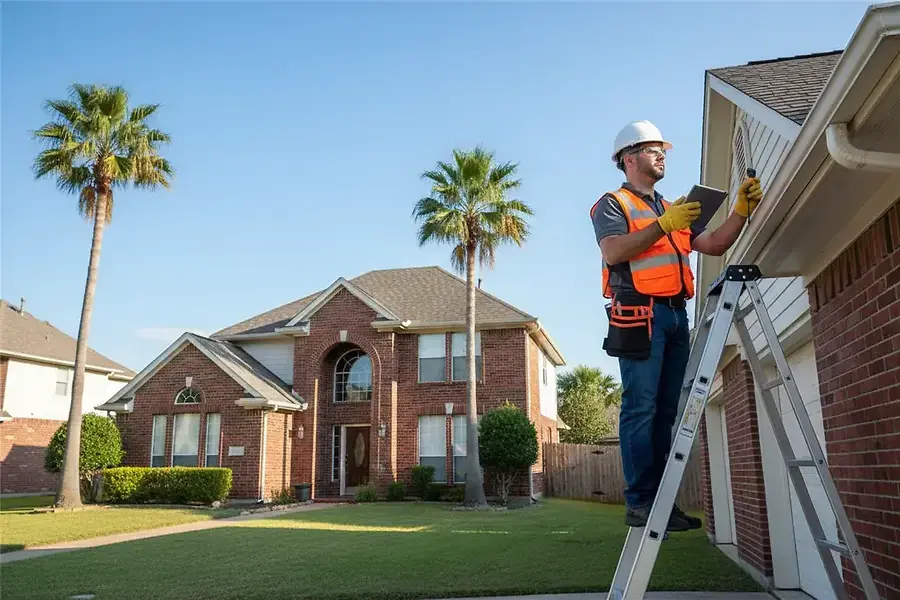
Introduction: Why Home Inspections Matter for Houston Area Buyers
Purchasing a home is one of the most significant financial decisions you'll make in your lifetime. In the Greater Houston area—including Hempstead, Conroe, Magnolia, Spring, Tomball, and Houston—the real estate market moves quickly, and buyers often feel pressured to make rapid decisions. However, investing in a professional home inspection is one of the smartest steps you can take to protect your investment.
A thorough home inspection provides an independent, unbiased assessment of your potential property's condition. Rather than relying solely on the seller's disclosure or your own observations, a certified inspector will identify hidden problems, structural issues, and maintenance concerns that could cost thousands of dollars to repair after purchase. In the humid Houston climate, where moisture, heat, and seasonal weather patterns create unique challenges, professional inspections are particularly valuable.
Key Areas Professional Inspectors Evaluate in Your Home
Structural Components and Foundation
The foundation is the backbone of any home. Houston's expansive clay soil can cause foundation settling and shifting, making this inspection area critical. Professional inspectors examine:
- Foundation cracks and signs of movement
- Basement or crawl space conditions
- Exterior grading and drainage patterns
- Evidence of previous foundation repairs
Roof and Attic Systems
Given Houston's intense sun and occasional severe weather, roof condition directly impacts your home's longevity. Inspectors evaluate:
- Roof material age and condition
- Shingle deterioration and missing pieces
- Flashing and seal integrity
- Attic ventilation and insulation levels
- Signs of water damage or leaks
Plumbing and Water Systems
Houston's older neighborhoods often have aging plumbing systems. Inspectors check:
- Water pressure and flow rates
- Pipe material and corrosion
- Water heater age and functionality
- Drainage system performance
- Evidence of leaks or water damage
Electrical Systems
Electrical safety is paramount. Professional inspectors examine:
- Panel capacity and breaker functionality
- Outlet grounding and GFCI protection
- Wiring condition and code compliance
- Lighting fixtures and switches
HVAC and Climate Control
In Houston's hot, humid climate, air conditioning systems work overtime. Inspectors evaluate:
- Air conditioning unit age and efficiency
- Heating system functionality
- Ductwork condition and sealing
- Thermostat operation
Interior and Exterior Conditions
Inspectors also assess:
- Wall and ceiling conditions
- Window and door functionality
- Flooring integrity
- Exterior siding and paint condition
- Deck and porch safety
Common Issues Found in Greater Houston Properties and How to Address Them
Moisture and Mold Concerns
Houston's subtropical climate creates ideal conditions for moisture problems. Common findings include: water stains in attics, mold growth in bathrooms and crawl spaces, and foundation moisture intrusion. Solutions: Improve drainage around the foundation, ensure proper attic ventilation, install dehumidifiers, and address any roof leaks immediately.
Foundation Issues
Expansive clay soil causes many Houston homes to experience foundation settling. Minor cracks may be cosmetic, but stair-step cracks, bowing walls, or doors that won't close properly indicate serious problems. Have a foundation specialist evaluate significant issues before proceeding with your purchase.
Aging HVAC Systems
Air conditioning units typically last 10-15 years. If your inspection reveals an aging system, budget for replacement costs. Regular maintenance can extend system life, but replacement may be necessary soon after purchase.
Roof Deterioration
Houston's intense sun accelerates roof aging. Inspectors often find missing shingles, curling, or granule loss. Budget for roof replacement if the system is nearing the end of its lifespan, typically 20-25 years for asphalt shingles.
Plumbing Problems
Older homes may have galvanized pipes that corrode over time, reducing water pressure and quality. Replacement with copper or PEX piping may be necessary, representing a significant investment.
Electrical Code Violations
Older properties sometimes lack adequate grounding or GFCI protection. Bring systems up to current code for safety and insurance compliance.
Conclusion: Using Inspection Results to Make Confident Purchase Decisions
A professional home inspection report provides detailed documentation of your property's condition. Use this information strategically:
- Negotiate repairs: Request that the seller address critical issues before closing
- Request credits: Ask for closing cost credits to handle repairs yourself
- Budget for maintenance: Plan for upcoming repairs and replacements
- Make informed decisions: Decide whether the property represents good value at the asking price
In the competitive Greater Houston real estate market, a thorough home inspection levels the playing field. Whether you're buying in Houston, Spring, Tomball, Conroe, Magnolia, or Hempstead, professional inspection results empower you to make confident, informed decisions about one of life's most important investments. Don't skip this crucial step—your future self will thank you.