Complete Guide to Home Inspections for Pittsburgh Homebuyers
Learn what professional inspectors look for and how to protect your investment in Pittsburgh's competitive real estate market.

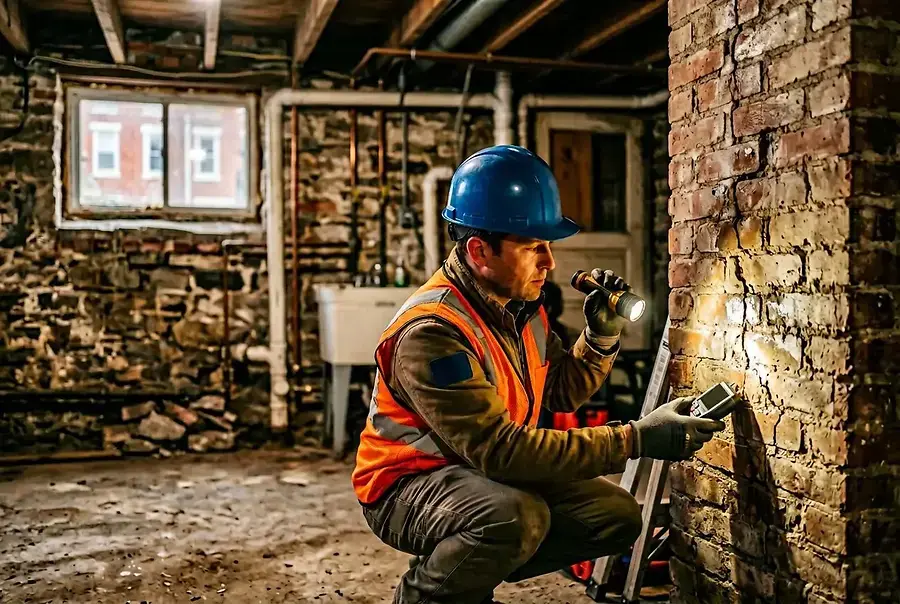
Understanding Pittsburgh's Unique Housing Structures and Common Issues
Pittsburgh's real estate market features a distinctive mix of architectural styles and housing types that require specialized inspection knowledge. The city's historic neighborhoods are filled with Victorian homes, row houses, and early 20th-century structures that present unique challenges and opportunities for homebuyers.
Historic Home Characteristics
Many Pittsburgh properties were built before modern building codes existed, which means they often lack features that today's homebuyers expect. Older homes frequently have outdated electrical systems, plumbing infrastructure, and insulation standards that may need significant upgrades. Inspectors pay special attention to these elements because they directly impact safety and long-term maintenance costs.
Common issues in Pittsburgh's older homes include:
- Knob-and-tube wiring that poses fire hazards
- Cast iron plumbing that may be corroded or failing
- Asbestos in insulation, floor tiles, and roofing materials
- Foundation settling and cracks in brick or stone
- Outdated HVAC systems with poor efficiency
Climate-Related Concerns
Pittsburgh's weather patterns create specific inspection priorities. The region experiences significant freeze-thaw cycles that can damage foundations, roofs, and exterior structures. Inspectors look for signs of water intrusion, ice dam damage, and proper drainage systems that are essential for protecting homes from the elements.
The Complete Home Inspection Process: What Inspectors Evaluate
Structural Components
Professional inspectors begin with the foundation and structural integrity of the home. They examine:
- Foundation cracks and settlement patterns
- Basement moisture and water damage
- Roof condition and remaining lifespan
- Exterior walls and siding integrity
- Windows and doors functionality
The foundation inspection is particularly critical in Pittsburgh, where soil composition and historical mining activity can affect structural stability. Inspectors use specialized tools to measure crack widths and assess whether issues are cosmetic or require immediate attention.
Systems and Mechanical Components
Home inspectors thoroughly evaluate all major systems that keep a home functioning:
- Electrical systems: Panel capacity, grounding, outlet safety, and code compliance
- Plumbing: Water pressure, drainage, pipe materials, and water heater condition
- HVAC: Furnace and air conditioning efficiency, ductwork integrity, and thermostat operation
- Insulation and ventilation: Adequate coverage and proper attic ventilation
Interior and Exterior Features
Inspectors don't overlook the details that affect daily living. They check appliances, flooring, paint quality, and cosmetic issues. While these may seem minor, they can indicate larger problems or reveal how well the home has been maintained overall.
Red Flags and Negotiation Strategies After Inspection Results
Understanding Inspection Reports
A comprehensive inspection report categorizes findings by severity. Major issues require immediate attention and can significantly impact your offer, while minor concerns may be addressed over time. Understanding this distinction helps you prioritize negotiations with the seller.
Common Red Flags in Pittsburgh Homes
Certain findings should trigger careful consideration:
- Active water intrusion or mold growth
- Structural damage or foundation failure
- Outdated electrical systems requiring complete replacement
- Failed septic systems or sewer line issues
- Roof nearing end of life with no recent replacement
- Evidence of pest infestation or termite damage
Negotiation Strategies
After receiving inspection results, you have several options:
- Request seller repairs: Ask the seller to fix major issues before closing
- Negotiate price reduction: Reduce your offer to account for repair costs
- Request credit at closing: Receive funds to handle repairs yourself
- Walk away: Use inspection contingencies to exit the deal if issues are severe
In Pittsburgh's competitive market, timing and documentation are crucial. Present inspection findings professionally and get repair estimates from licensed contractors to support your negotiation position. Sellers are more likely to respond favorably when you provide specific, realistic repair costs.
Protecting Your Investment: Next Steps and Timeline Considerations
Post-Inspection Action Plan
After inspection and negotiations are complete, create a prioritized maintenance plan. Address critical safety issues immediately, then schedule other repairs based on urgency and budget. This approach protects your investment while managing costs effectively.
Building Your Maintenance Schedule
Establish a timeline for addressing inspection findings:
- Immediate (within 30 days): Safety hazards, active leaks, electrical problems
- Short-term (3-6 months): HVAC maintenance, plumbing upgrades, roof repairs
- Medium-term (6-12 months): Cosmetic updates, insulation improvements, exterior work
- Long-term (1-3 years): Major system replacements, foundation work, structural improvements
Working with Qualified Contractors
Pittsburgh has many skilled contractors experienced with older homes. Always verify licenses, insurance, and references before hiring. Get multiple bids for major work and ensure contractors understand the specific challenges of Pittsburgh's housing stock.
Documentation and Warranties
Keep detailed records of all inspections, repairs, and maintenance. This documentation protects your investment and proves due diligence to future buyers. Request warranties on major repairs and maintain receipts for tax purposes.
"A thorough home inspection is the best investment you can make when buying a Pittsburgh home. It provides peace of mind and gives you the information needed to make confident decisions about your purchase."
Final Thoughts
Home inspections are essential for Pittsburgh homebuyers navigating the city's unique real estate market. By understanding what inspectors evaluate, recognizing red flags, and developing a strategic response plan, you protect your investment and ensure your new home is safe and sound for years to come. Don't skip this critical step—your future self will thank you.


