Complete Guide to Home Inspections for Staten Island Homebuyers
Learn what professional inspectors look for and how to use inspection results to protect your investment.

Why Home Inspections Matter for Staten Island Buyers
Purchasing a home is one of the most significant financial decisions you'll make in your lifetime. For Staten Island homebuyers, a professional home inspection is not just a formality—it's a critical safeguard for your investment. A thorough inspection can reveal hidden problems that might cost thousands of dollars to repair after closing, giving you the knowledge and leverage needed to make informed decisions.
Many first-time homebuyers underestimate the importance of inspections, viewing them as an unnecessary expense. However, the average home inspection costs between $300 and $500, a small price compared to discovering major structural issues or system failures months after purchase. In Staten Island's diverse housing market, where properties range from historic homes to newer constructions, inspections are essential for understanding what you're truly buying.
What to Expect During a Professional Home Inspection
The Inspection Process
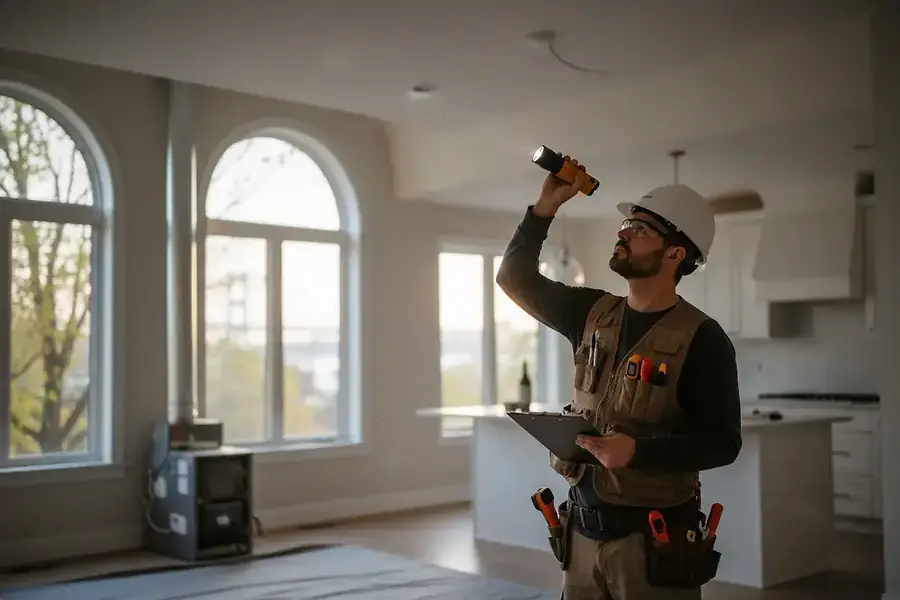
A professional home inspection typically lasts between two to three hours, depending on the property's size and age. The inspector will systematically examine the home's major systems and components, creating a detailed report of their findings. Here's what you can expect:
- Structural Components: The inspector examines the foundation, walls, roof, and overall structural integrity of the home.
- Roofing System: They assess the roof's condition, age, and remaining lifespan, checking for leaks or missing shingles.
- Plumbing System: Water pressure, drainage, pipe materials, and the condition of fixtures are thoroughly evaluated.
- Electrical System: The inspector checks the panel, wiring, outlets, and safety features to ensure everything meets current standards.
- HVAC Systems: Heating, ventilation, and air conditioning units are tested for proper operation and maintenance needs.
- Insulation and Ventilation: Proper insulation and attic ventilation are critical for energy efficiency and preventing moisture problems.
- Interior Components: Doors, windows, flooring, walls, and ceilings are inspected for damage or wear.
What Inspectors Don't Cover
It's important to understand that standard home inspections have limitations. Inspectors typically do not test for radon, asbestos, lead paint, or mold—these require specialized inspections. They also won't assess pest infestations, septic systems, or provide detailed cost estimates for repairs. If you suspect any of these issues, arrange separate specialized inspections.
Common Issues Found in Staten Island Properties and How to Address Them
Water Damage and Moisture Problems
Staten Island's coastal location and weather patterns make water damage a frequent concern. Inspectors often find evidence of water intrusion in basements, attics, and crawl spaces. Action items: Request a detailed moisture assessment, check gutters and downspouts, and ensure proper grading away from the foundation. If significant water damage is present, hire a waterproofing specialist for an estimate.
Aging Roofing Systems
Many Staten Island homes have roofs nearing the end of their lifespan. A roof typically lasts 15-25 years depending on materials and maintenance. Action items: If the roof is older than 15 years, request a professional roofer's assessment. Budget for replacement or negotiate credits with the seller.
Outdated Electrical Systems
Older homes may have aluminum wiring or insufficient electrical capacity for modern needs. Action items: Have a licensed electrician evaluate the system. Upgrading the electrical panel or rewiring can be expensive, so get multiple quotes before negotiating.
HVAC System Age and Efficiency
Heating and cooling systems typically last 10-15 years. Aging systems may be inefficient and costly to operate. Action items: Request maintenance records and get a professional HVAC evaluation. Consider the cost of replacement when making your offer.
Foundation and Structural Issues
Cracks in foundations or settling can indicate serious problems. While minor cracks are common, significant structural issues require professional engineering assessment. Action items: If major structural concerns are noted, hire a structural engineer for a detailed evaluation before proceeding.
Using Inspection Results to Negotiate and Make Informed Decisions
Understanding Your Inspection Report
The inspection report categorizes findings by severity: critical issues that pose safety risks, major concerns requiring attention, and minor items for future maintenance. Focus on critical and major items when deciding your next steps.
Negotiation Strategies
Once you receive the inspection report, you have several options:
- Request Repairs: Ask the seller to fix critical issues before closing. This ensures work is done to your standards.
- Request Credits: The seller provides money at closing for you to handle repairs yourself, giving you control over contractors.
- Price Reduction: Negotiate a lower purchase price to account for repair costs you'll handle.
- Walk Away: If issues are too extensive or costly, you may have grounds to terminate the contract, depending on your inspection contingency.
Making Your Final Decision
Use the inspection report as a decision-making tool, not just a negotiation document. Consider the total cost of ownership, including repairs and ongoing maintenance.
A home with minor issues and a lower price might be a better investment than a seemingly perfect home at a premium price.
Consult with your real estate agent and trusted advisors about the significance of findings. Some issues are cosmetic, while others affect the home's safety and value. Prioritize your concerns and decide what matters most for your family's needs and budget.
Moving Forward with Confidence
A thorough home inspection empowers you to make informed decisions and protects your investment. Whether you're buying your first home or your fifth, never skip this crucial step. In Staten Island's competitive real estate market, a professional inspection gives you the information needed to negotiate effectively and purchase with confidence.