Complete Guide to Home Inspections for Tri-Cities Property Buyers
Learn what professional inspectors evaluate and how to protect your investment in the Tri-Cities real estate market.

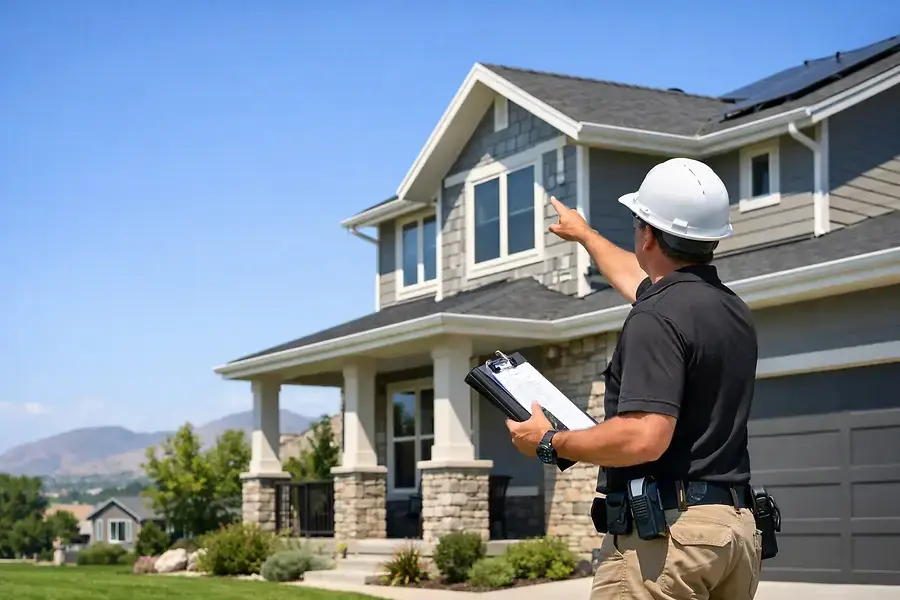
Introduction: Why Home Inspections Are Critical for Tri-Cities Buyers
Purchasing a home is one of the most significant financial decisions you'll make in your lifetime. In the Tri-Cities real estate market, where property values continue to appreciate, protecting your investment through a thorough home inspection is absolutely essential. A professional home inspection provides an objective assessment of a property's condition, helping you understand exactly what you're buying and identifying potential issues before they become costly problems.
Many first-time homebuyers underestimate the importance of inspections, viewing them as an optional expense. However, a comprehensive inspection can reveal hidden defects, safety hazards, and maintenance needs that could cost thousands of dollars to repair. By investing in a professional inspection, you gain the knowledge needed to negotiate effectively, plan for future repairs, and make informed decisions about your purchase.
Key Areas Professional Inspectors Evaluate During Home Inspections
Structural Components and Foundation
Professional inspectors begin by examining the home's foundation and structural integrity. They look for cracks, settling, water damage, and signs of foundation movement. In the Tri-Cities area, where soil conditions and weather patterns can affect foundations, this assessment is particularly important. Inspectors also evaluate the condition of walls, floors, and ceilings for any signs of structural stress or damage.
Roofing and Exterior
The roof is your home's first line of defense against the elements. Inspectors examine shingles, flashing, gutters, and downspouts for damage, wear, and proper drainage. They also assess the condition of siding, windows, doors, and exterior paint. In the Tri-Cities climate, proper exterior maintenance is crucial for protecting your investment from weather-related deterioration.
Plumbing Systems
A thorough plumbing inspection includes checking water pressure, drainage, water heater condition, and visible pipes for leaks or corrosion. Inspectors test fixtures throughout the home and look for signs of water damage or mold. They also evaluate the main water line and septic or sewer connections, which are critical components often overlooked by inexperienced buyers.
Electrical Systems
Electrical safety is paramount. Professional inspectors examine the main electrical panel, circuit breakers, wiring, outlets, and switches. They verify that the electrical system meets current safety codes and can handle the home's power demands. Outdated or faulty electrical systems pose serious safety risks and may require expensive upgrades.
HVAC Systems
Heating, ventilation, and air conditioning systems are essential for comfort and indoor air quality. Inspectors evaluate furnaces, air conditioners, ductwork, and thermostats. They assess the age of equipment and its operational efficiency. Given the Tri-Cities climate, a well-functioning HVAC system is vital for year-round comfort.
Interior Conditions
Inspectors examine walls, ceilings, floors, and insulation for damage, moisture issues, and proper installation. They check for signs of pest infestations, mold, or water damage. They also evaluate the condition of doors, windows, and built-in appliances, providing a comprehensive picture of the home's interior condition.
Common Issues Found in Tri-Cities Properties and How to Address Them
Water Damage and Moisture Problems
Water damage is one of the most common issues found in Tri-Cities properties. This can result from roof leaks, poor drainage, foundation cracks, or plumbing failures. If water damage is discovered, it's essential to address the source immediately to prevent mold growth and structural deterioration. Request that the seller make necessary repairs or negotiate a credit toward repairs you'll handle yourself.
Aging Roofs and Exterior Issues
Many older homes in the Tri-Cities area have roofs nearing the end of their lifespan. A roof replacement can cost $8,000 to $15,000 or more, making this a significant concern. If your inspection reveals roof issues, obtain repair estimates and use this information in your negotiations. Consider setting aside funds for a roof replacement within the next few years.
Outdated Electrical Systems
Older homes may have outdated electrical panels or insufficient capacity for modern appliances. Electrical upgrades should only be performed by licensed electricians and can be costly. If issues are found, request that the seller upgrade the system or provide a credit for the work.
HVAC System Age and Efficiency
Heating and cooling systems typically last 15-20 years. If your inspection reveals an aging system, budget for replacement in the near future. Modern, energy-efficient systems can reduce utility bills significantly, making this upgrade worthwhile.
Plumbing and Water Heater Issues
Corroded pipes, slow drainage, or failing water heaters are common findings. Water heater replacement typically costs $1,000 to $2,500. Address these issues promptly to avoid emergency repairs and water damage.
Conclusion: Using Inspection Reports to Make Confident Purchase Decisions
A professional home inspection is your opportunity to make an informed decision about one of the largest purchases of your life. The inspection report provides detailed documentation of the property's condition, giving you leverage in negotiations and helping you plan for future maintenance and repairs.
Don't skip the inspection or choose an inspector based solely on price. Invest in a qualified, experienced inspector who understands the unique characteristics of Tri-Cities properties. Review the inspection report carefully, ask questions about findings, and consult with contractors if you need clarification on repair costs.
Use the inspection results strategically. Minor issues may not warrant renegotiation, but significant problems like structural damage, electrical hazards, or major system failures should be addressed before closing. Whether you request repairs, credits, or price reductions, the inspection report gives you the information needed to protect your investment and move forward with confidence in the Tri-Cities real estate market.