Complete Guide to Home Inspections: Prepare Your Property for Success
Learn what inspectors look for and how to address common issues before listing your home.

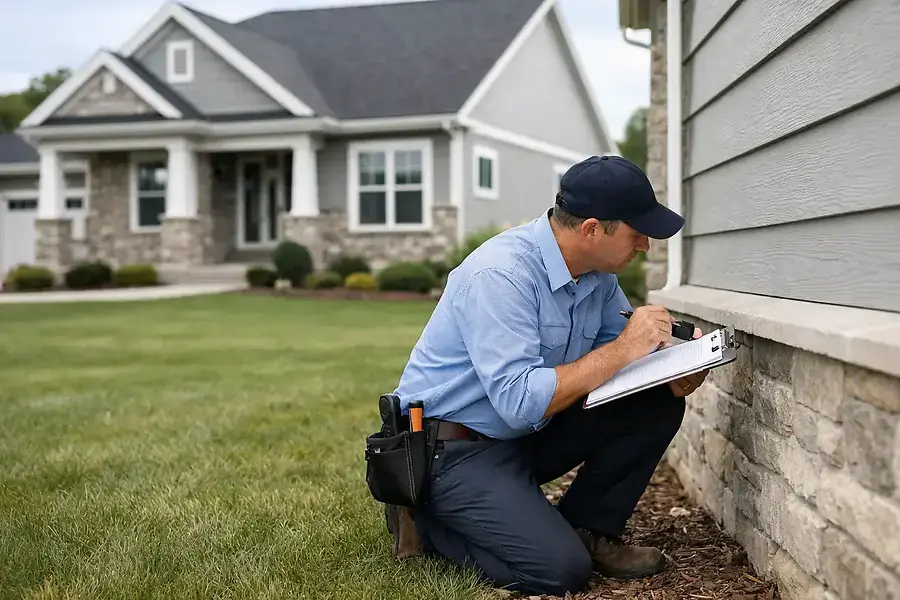
Understanding the Home Inspection Process
A home inspection is a comprehensive evaluation of your property's physical condition, typically lasting two to four hours. A licensed inspector examines everything from the foundation to the roof, checking structural integrity, electrical systems, plumbing, HVAC units, and more. Understanding this process helps you prepare mentally and practically for what's ahead.
Inspectors follow a standardized checklist covering major systems and components. They're looking for safety hazards, code violations, and maintenance issues that could affect the property's value or livability. The inspection report becomes a critical document in negotiations, so knowing what inspectors prioritize gives you a significant advantage.
What Inspectors Examine
Professional inspectors evaluate:
- Structural components: Foundation, walls, roof framing, and overall integrity
- Roofing: Shingles, flashing, gutters, and drainage systems
- Exterior: Siding, windows, doors, and weatherproofing
- Plumbing: Water pressure, drainage, fixtures, and water heater condition
- Electrical: Panel, wiring, outlets, and safety features
- HVAC: Heating and cooling systems, age, and functionality
- Interior: Walls, ceilings, floors, and visible damage
- Appliances: Condition and operational status of included items
Common Issues Inspectors Discover and How to Address Them
Most homes have some issues. The key is addressing them proactively before inspection day. Here are the most frequently discovered problems and practical solutions.
Roof and Gutter Problems
Roof issues are among the most expensive repairs. Missing shingles, damaged flashing, and clogged gutters are common findings. Address these by: Replacing damaged shingles, cleaning gutters thoroughly, ensuring proper drainage away from the foundation, and having a professional inspect the roof's overall condition.
Plumbing and Water Issues
Water damage, leaks, and outdated plumbing systems frequently appear in inspection reports. Solutions include: Fixing visible leaks immediately, testing water pressure, ensuring proper drainage around the foundation, and addressing any signs of water damage in basements or crawl spaces.
Electrical System Concerns
Outdated wiring, insufficient outlets, and safety hazards are common electrical issues. Remedies: Have a licensed electrician inspect the panel, replace any two-prong outlets with grounded three-prong outlets where needed, and ensure all safety features are functional.
HVAC System Age and Condition
Heating and cooling systems nearing the end of their lifespan often concern buyers. Take action by: Having systems professionally serviced and cleaned, replacing filters, obtaining maintenance records, and being prepared to discuss replacement costs if systems are aging.
Foundation and Structural Issues
Cracks, settling, and moisture problems can be serious red flags. Address these through: Professional foundation assessment, sealing minor cracks, improving drainage, and ensuring proper grading away from the foundation.
Preparing Your Home for Inspection Day
Proper preparation demonstrates that you've maintained your home well and increases buyer confidence. A well-prepared property often results in fewer issues being flagged.
Pre-Inspection Checklist
- Deep clean your entire home, including hard-to-reach areas
- Ensure all lights work and replace any burnt-out bulbs
- Clear attic, basement, and crawl spaces for easy access
- Test all faucets and ensure water pressure is adequate
- Verify that all doors and windows open and close properly
- Trim trees and bushes away from the roof and siding
- Ensure the exterior is clean and well-maintained
- Gather maintenance records and documentation of recent repairs
- Make sure the inspector has safe access to all areas
Documentation Matters
Compile records showing: Recent repairs, system maintenance, warranty information, and any upgrades you've made. This documentation reassures inspectors and buyers that your home has been properly maintained. Organize these materials in an easily accessible folder.
Day-of Preparation
On inspection day, ensure all utilities are accessible, doors are unlocked, and pets are secured in a safe area. Provide the inspector with clear access to the attic, basement, and mechanical systems. Being cooperative and organized creates a positive impression.
Using Inspection Results to Negotiate and Finalize Your Sale
The inspection report is a negotiation tool. Understanding how to respond strategically can make the difference between a successful sale and a deal falling through.
Reviewing the Report
When you receive the inspection report, review it carefully. Distinguish between minor cosmetic issues and significant structural problems. Consider: The cost of repairs, the age of systems, and what's typical for homes in your area. Not every issue requires immediate attention or negotiation.
Strategic Response Options
You have several options when addressing inspection findings:
- Make repairs before closing: Fix issues yourself to maintain control over quality and cost
- Offer credits: Provide the buyer with a credit toward closing costs to handle repairs themselves
- Negotiate price: Reduce the sale price to account for necessary repairs
- Request professional estimates: Obtain quotes for major repairs to support your negotiation position
Maintaining Buyer Confidence
Your response to inspection findings significantly impacts buyer confidence. Respond promptly and professionally to any concerns. If major issues are discovered, be transparent about them and provide clear solutions. Buyers appreciate honesty and are more likely to proceed when they feel informed and respected.
Final Steps
Once inspection issues are resolved or negotiated, ensure all agreed-upon repairs are completed satisfactorily. Request written confirmation that work meets standards. This final attention to detail protects both you and the buyer, ensuring a smooth closing process.
A well-prepared home and proactive approach to inspection issues can significantly streamline your sale and result in better outcomes for everyone involved.


