Complete Guide to Key West Home Inspections for Residential Buyers
Discover the essential inspection checklist for purchasing residential property in Key West's unique tropical climate.

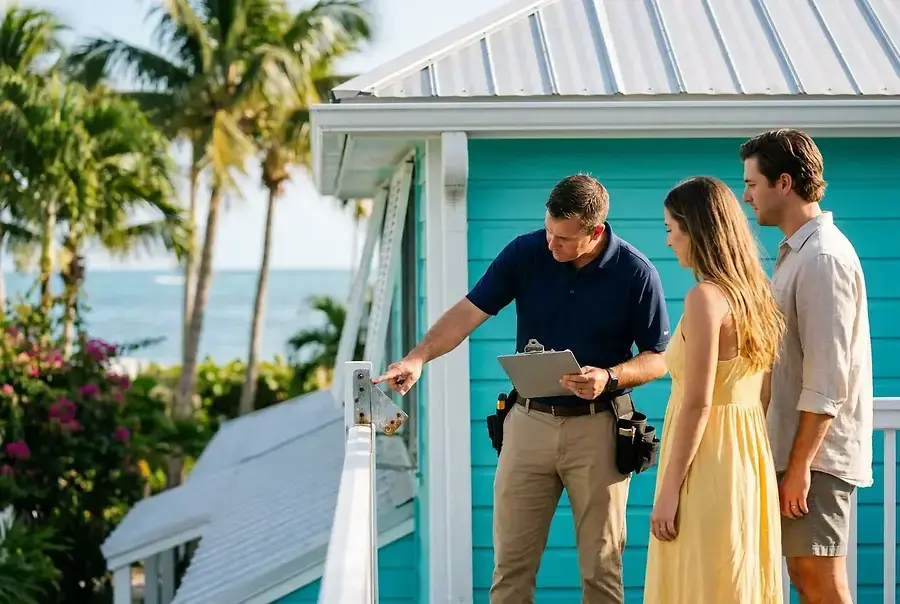
Understanding the Key West Home Inspection Process
Purchasing a home in Key West is an exciting investment, but the tropical island environment presents unique challenges that differ significantly from mainland properties. A thorough home inspection is not just recommended—it's essential for protecting your investment and ensuring you understand exactly what you're buying.
The Key West home inspection process typically begins with hiring a licensed inspector who understands the specific demands of island living. Unlike standard inspections, Key West inspectors must be familiar with salt-air corrosion, elevated moisture levels, and hurricane-resistant construction standards. The inspection usually takes 2-4 hours and covers the foundation, roof, plumbing, electrical systems, HVAC, and structural integrity.
Before scheduling an inspection, request a detailed report format that includes photographs and specific recommendations. A comprehensive report should outline not only current issues but also potential problems that may develop due to the island's harsh environmental conditions. Make sure your inspector has experience with Key West properties and understands local building codes and regulations.
Climate-Specific Issues: Salt Air, Humidity, and Hurricane Preparedness
Salt Air Corrosion and Metal Degradation
Key West's proximity to the ocean means constant exposure to salt air, which accelerates corrosion of metal components. During your inspection, pay close attention to:
- Metal roof fasteners and flashing that show rust or deterioration
- Air conditioning units and outdoor HVAC components
- Metal railings, gates, and exterior fixtures
- Plumbing fixtures and water heater tanks
- Electrical conduit and metal framing
Ask your inspector about the age of these components and whether they've been treated with corrosion-resistant coatings. Replacement costs for salt-damaged systems can be substantial, so understanding the condition of these elements is crucial.
Moisture and Humidity Damage
The tropical climate creates persistently high humidity levels that can lead to mold growth, wood rot, and structural damage. During inspection, look for:
- Signs of mold or mildew on walls, ceilings, and crawl spaces
- Soft or discolored wood in framing, decking, or trim
- Peeling paint or wallpaper indicating moisture problems
- Musty odors in closets, basements, or enclosed spaces
- Evidence of previous water damage or inadequate ventilation
Ensure the property has proper drainage systems, functioning gutters, and adequate ventilation throughout. Many Key West homes benefit from dehumidification systems, which should be evaluated for proper operation.
Hurricane Preparedness and Wind Resistance
Living in Key West means hurricane season is a serious consideration. Your inspection should verify:
- Impact-resistant windows and doors or protective shutters
- Roof condition and proper attachment to the structure
- Structural reinforcement and tie-downs
- Proper elevation and flood mitigation measures
- Backup power systems or generator capacity
Ask your inspector about the home's wind rating and whether it meets current hurricane-resistant building codes. This information is vital for insurance purposes and your family's safety.
Red Flags to Watch For in Island Properties
Foundation and Structural Concerns
Key West's limestone bedrock and high water table create unique foundation challenges. Watch for:
- Cracks in concrete slabs or foundation walls
- Uneven floors or doors that don't close properly
- Evidence of settling or structural movement
- Inadequate pilings or support systems in elevated homes
Plumbing and Water Systems
The island's saltwater environment and aging infrastructure can cause significant plumbing issues. Red flags include:
- Corroded or deteriorating pipes showing discoloration
- Low water pressure or slow drainage
- Evidence of previous leaks or water damage
- Outdated septic systems or questionable waste management
- Saltwater intrusion in freshwater systems
Request a water quality test and ask about the age and condition of the main water line. Replacing plumbing infrastructure can be one of the most expensive repairs in island homes.
Electrical Systems and Outdated Wiring
Many Key West properties are older homes with electrical systems that may not meet modern demands. Look for:
- Outdated fuse boxes instead of modern circuit breakers
- Insufficient electrical capacity for modern appliances
- Exposed wiring or improper grounding
- Signs of water damage near electrical panels
- Lack of GFCI outlets in wet areas
Roof and Exterior Damage
The roof is your first line of defense against the elements. Inspect for:
- Missing, cracked, or curling shingles
- Algae or moss growth indicating moisture retention
- Deteriorated flashing around chimneys and vents
- Sagging roof lines or structural weakness
- Age of the roof and remaining lifespan
Working with Inspectors and Using Reports in Negotiations
Selecting the Right Inspector
Choose an inspector who is licensed in Florida and has specific experience with Key West properties. Ask for references from recent clients and verify their credentials. A good inspector will be thorough, communicative, and willing to explain findings in detail.
Attending the Inspection
Always attend the home inspection in person. This allows you to ask questions, see issues firsthand, and understand the inspector's concerns. Walk through the property together and take notes on items you want clarified in the written report.
Interpreting the Report
Once you receive the inspection report, review it carefully and prioritize issues by severity. Categorize findings into:
- Critical issues: Safety hazards or major structural problems requiring immediate attention
- Important repairs: Significant issues that should be addressed within the first year
- Maintenance items: Routine upkeep and minor repairs
Using the Report in Negotiations
The inspection report is a powerful negotiating tool. You can request that the seller address critical issues before closing, offer a credit toward repairs, or reduce the purchase price. Be reasonable in your requests—focus on significant issues rather than minor cosmetic concerns.
Remember that in Key West's competitive real estate market, being prepared with a thorough inspection report gives you leverage and protects your investment for years to come.
A comprehensive home inspection is your best defense against costly surprises in a Key West property purchase. By understanding the unique challenges of island living and knowing what to look for, you'll make a confident, informed decision about one of the most important investments of your life.


