Complete Guide to Property Taxes and Assessments for Osage Beach Homeowners
Learn how to understand, manage, and reduce your residential property tax burden in Osage Beach.

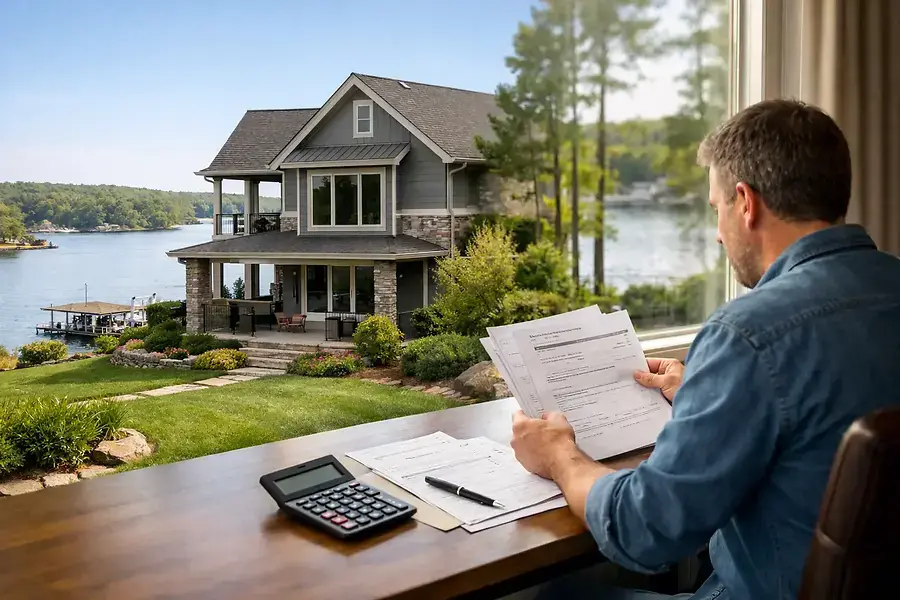
Introduction: Why Property Taxes Matter for Osage Beach Homeowners
Property taxes represent one of the largest ongoing expenses for homeowners in Osage Beach. Understanding how these taxes work and what you can do to manage them effectively is crucial for protecting your financial interests and maximizing your home investment. Whether you're a new homeowner or have owned property in Osage Beach for years, taking control of your tax liability can result in significant savings over time.
Many homeowners overlook the importance of staying informed about their property tax assessments and available reduction strategies. This guide will walk you through the essential information you need to make informed decisions about your property taxes and take action to reduce your burden.
How Osage Beach Property Taxes Are Calculated and Assessed
Understanding the Assessment Process
Property taxes in Osage Beach are calculated based on the assessed value of your home. The local assessor's office determines this value by evaluating your property's characteristics, including:
- Square footage and lot size
- Age and condition of the structure
- Number of bedrooms and bathrooms
- Recent improvements and renovations
- Comparable sales in your neighborhood
The assessment process typically occurs annually, and property owners receive a notice of assessment. It's essential to review this notice carefully to ensure the information is accurate.
The Tax Rate and Calculation Formula
Once your property is assessed, your tax bill is calculated using a straightforward formula: Assessed Value × Tax Rate = Annual Property Tax. The tax rate in Osage Beach is determined by local government entities, including the city, county, and school district. Each entity sets its own rate, and these rates are combined to create your total tax obligation.
Understanding this calculation helps you see exactly where your tax dollars go and why your bill may increase or decrease from year to year.
Common Assessment Errors
Property assessments aren't always perfect. Common errors include incorrect square footage measurements, miscategorized property features, or outdated information about your home's condition. Reviewing your assessment notice carefully is the first step in identifying potential errors that could be inflating your tax bill.
Proven Strategies to Reduce Your Annual Property Tax Burden
Challenge Your Property Assessment
If you believe your property has been overvalued, you have the right to challenge the assessment. This process, known as filing an appeal or protest, allows you to present evidence that your property's assessed value is too high. You might gather:
- Recent appraisals from qualified appraisers
- Comparable sales data from similar properties in your area
- Documentation of property defects or needed repairs
- Photos showing the condition of your home
Many homeowners successfully reduce their tax bills through this process, making it worth the effort to investigate if your assessment seems high.
Explore Available Tax Exemptions and Credits
Osage Beach offers various tax exemptions and credits that homeowners may qualify for, including:
- Homestead Exemption: Available to primary residents, this exemption reduces the assessed value of your home
- Senior Citizen Exemptions: Additional relief for homeowners aged 65 and older
- Disability Exemptions: Available to homeowners with qualifying disabilities
- Agricultural Exemptions: For properties used for farming or agricultural purposes
Contact your local assessor's office to determine which exemptions you may qualify for and how to apply.
Make Strategic Home Improvements
While home improvements can increase your property's assessed value, strategic improvements can also help you manage your tax burden. Focus on improvements that enhance your home's functionality and appeal without significantly increasing its market value. Additionally, some energy-efficient upgrades may qualify for tax credits or exemptions in certain jurisdictions.
Monitor Your Property's Market Value
Keep track of recent sales of comparable properties in your neighborhood. If your assessed value is significantly higher than similar homes that recently sold, this provides strong evidence for an appeal. Real estate websites and your local assessor's office can provide this information.
Work with a Tax Professional
Consider consulting with a property tax consultant or attorney who specializes in tax assessments. These professionals understand the local tax system intimately and can identify opportunities for savings that you might miss. The cost of professional assistance is often offset by the tax savings they help you achieve.
Stay Organized and Keep Records
Maintain detailed records of:
- Your annual property tax bills and assessment notices
- Home improvement receipts and documentation
- Correspondence with the assessor's office
- Appraisals and comparable sales data
Good record-keeping makes it easier to file appeals, track trends in your assessment, and identify patterns that might warrant action.
Conclusion: Taking Control of Your Tax Liability
Property taxes don't have to be a mystery or an unchangeable burden. By understanding how your taxes are calculated, reviewing your assessments carefully, and taking advantage of available strategies, you can significantly reduce your annual tax liability. The key is to be proactive and informed.
Start by reviewing your most recent assessment notice and comparing it to similar properties in your area. If you notice discrepancies or believe your property is overvalued, don't hesitate to file an appeal. Explore available exemptions and credits, and consider working with a professional if your situation is complex.
Taking control of your property tax burden is an investment in your financial future as a homeowner. With the right knowledge and strategies, you can ensure you're paying a fair share while maximizing the value of your Osage Beach home.