Complete Guide to Residential Property Inspections and Appraisals
Learn what home inspectors evaluate and how to prepare your property for a successful inspection.

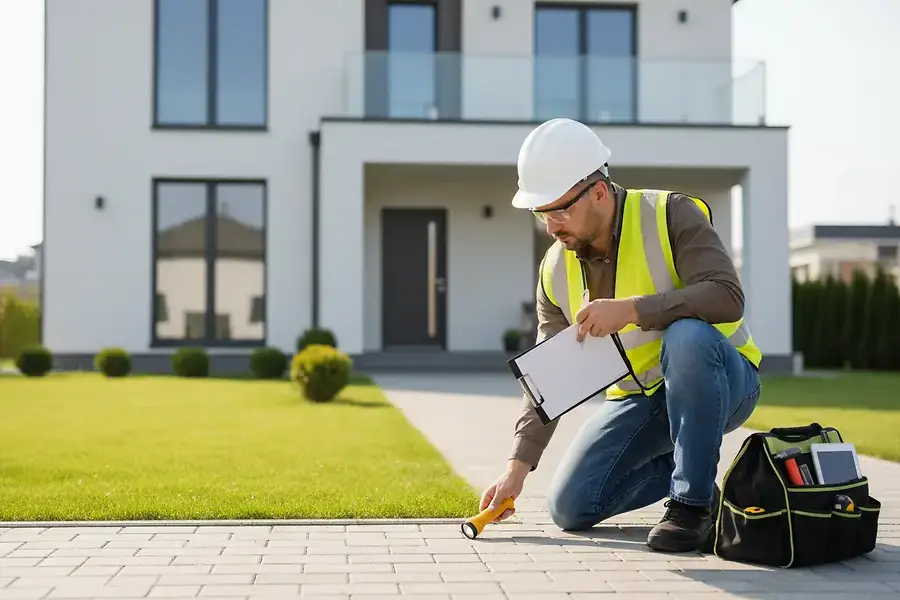
Why Residential Property Inspections Matter to Buyers and Sellers
Residential property inspections are a critical component of the real estate transaction process. Whether you're buying or selling a home, understanding the inspection process can save you thousands of dollars and prevent costly surprises down the road. For buyers, a thorough inspection provides peace of mind and reveals potential issues before making one of life's largest investments. For sellers, addressing inspection concerns proactively can lead to smoother transactions and better offers.
A professional home inspection is an objective evaluation of a property's physical condition. Unlike appraisals, which focus on determining market value, inspections concentrate on identifying defects, safety hazards, and maintenance issues. Both processes are essential for different reasons, and understanding their distinct purposes helps you navigate the real estate process more effectively.
Key Areas Professional Inspectors Examine in Residential Properties
Structural Components and Foundation
Professional inspectors begin by evaluating the home's foundation and structural integrity. They look for signs of settling, cracks, water damage, and structural movement. A compromised foundation can be extremely expensive to repair, making this one of the most critical areas of inspection. Inspectors will examine basement walls, crawl spaces, and the overall stability of the structure.
Roofing and Exterior
The roof is your home's first line of defense against the elements. Inspectors assess roof condition, including shingle integrity, flashing, gutters, and drainage systems. They also evaluate the exterior walls, siding, windows, doors, and any visible water damage. Proper drainage and exterior maintenance are essential for preventing costly water intrusion issues.
Plumbing Systems
A comprehensive plumbing inspection includes checking water supply lines, drain systems, water heater condition, and fixtures throughout the home. Inspectors test water pressure, look for leaks, and assess the age and functionality of pipes. Outdated plumbing systems or hidden leaks can lead to significant expenses, making this evaluation crucial for both buyers and sellers.
Electrical Systems
Electrical safety is paramount in any home inspection. Inspectors examine the main electrical panel, wiring, outlets, switches, and grounding systems. They verify that the electrical system meets current safety codes and can handle the home's power demands. Outdated or faulty electrical systems pose serious fire and safety risks, so this area receives careful attention.
HVAC Systems
Heating, ventilation, and air conditioning systems are evaluated for age, functionality, and maintenance condition. Inspectors test both heating and cooling capabilities and assess whether the system is appropriately sized for the home. Regular maintenance records can demonstrate that the HVAC system has been well cared for.
Interior Conditions
Inspectors examine interior walls, ceilings, floors, and insulation. They look for signs of water damage, mold, pest infestations, and structural issues. Kitchen and bathroom fixtures are tested, and appliances are evaluated for proper function. The overall condition of interior spaces provides insight into how well the property has been maintained.
How to Prepare Your Home and Address Common Inspection Issues
Pre-Inspection Preparation Checklist
If you're selling your home, preparing for an inspection can significantly impact the results. Consider these preparation steps:
- Clean and declutter your home to allow inspectors easy access to all areas
- Ensure all utilities are functioning properly and accessible
- Clear pathways to the attic, basement, and crawl spaces
- Trim vegetation away from the foundation and roof
- Test all doors, windows, and locks to ensure they operate smoothly
- Gather maintenance records and documentation of recent repairs
- Fix any obvious issues like broken fixtures or burnt-out light bulbs
Addressing Common Inspection Issues
Water Damage and Moisture Problems: These are among the most frequently identified issues. Address any signs of water intrusion, improve drainage around the foundation, and ensure gutters are clean and functioning properly.
HVAC System Age: If your heating or cooling system is nearing the end of its lifespan, consider having it serviced or replaced before inspection. A well-maintained system can add value to your property.
Roof Condition: If your roof shows signs of wear, repair or replace damaged shingles. A newer roof is a significant selling point and can prevent future water damage issues.
Electrical and Plumbing Updates: Outdated systems should be evaluated by licensed professionals. Updating to modern, code-compliant systems can resolve inspection concerns and improve safety.
Pest Infestations: Any signs of termites, rodents, or other pests should be professionally treated before inspection. Pest damage can be costly and is a major red flag for buyers.
Working with Inspectors
During the inspection process, be cooperative and transparent. Provide access to all areas of the home and answer questions honestly about known issues. If you're a buyer attending the inspection, ask questions and take notes. Understanding the inspector's findings helps you make informed decisions about your purchase.
Using Inspection Results to Strengthen Your Real Estate Strategy
Inspection reports provide valuable information that can be leveraged in real estate negotiations. For buyers, inspection results can justify requests for repairs, credits, or price reductions. For sellers, addressing issues before listing can prevent negotiations from falling apart and demonstrate that you've maintained your property responsibly.
A proactive approach to inspections—whether preparing your home or carefully reviewing inspection reports—can make the difference between a smooth transaction and a complicated one.
Understanding residential property inspections empowers you to make better decisions in the real estate market. By knowing what inspectors evaluate, preparing your home appropriately, and using inspection results strategically, you can navigate the buying or selling process with confidence and clarity. Whether you're a first-time homebuyer or an experienced property owner, taking inspections seriously is an investment in your financial security and peace of mind.