Complete Guide to Residential Property Inspections Before Buying
Learn what professional inspectors look for and how to prepare your home for a successful inspection.

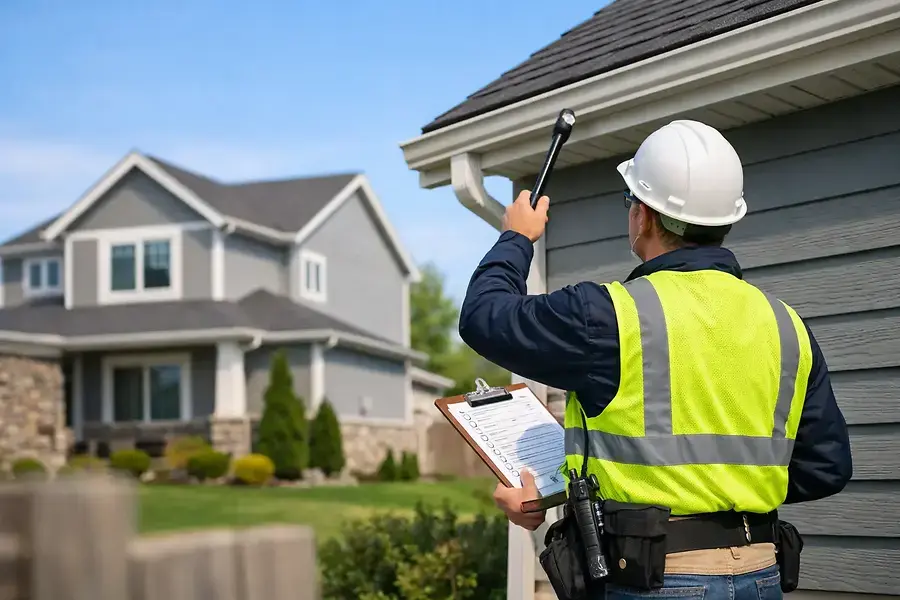
Why Residential Inspections Matter for Buyers and Sellers
A residential property inspection is one of the most critical steps in the home buying and selling process. For buyers, it provides a detailed assessment of the property's condition, helping identify potential issues before making a significant financial commitment. For sellers, a pre-listing inspection can reveal problems early, allowing time for repairs and preventing deal-breaking surprises during negotiations.
Professional home inspections typically cost between $300 and $700, depending on the property size and location. This investment can save thousands of dollars by uncovering hidden defects in structural elements, electrical systems, plumbing, and more. Understanding what inspectors evaluate and how to prepare ensures a smoother transaction for everyone involved.
What Inspectors Evaluate: Key Systems and Components
Structural Elements
Inspectors begin by examining the home's foundation, walls, and roof structure. They look for:
- Cracks or settling in the foundation
- Water damage or moisture intrusion
- Roof condition, age, and remaining lifespan
- Attic ventilation and insulation
- Structural integrity of walls and support beams
A compromised foundation or roof can be extremely expensive to repair, making this assessment crucial for buyers.
Electrical Systems
The electrical system is thoroughly inspected to ensure safety and compliance with current codes. Inspectors evaluate:
- The main electrical panel and circuit breakers
- Wiring condition and age
- Grounding and bonding systems
- Outlet and switch functionality
- Presence of outdated systems like knob-and-tube wiring
Outdated electrical systems may require upgrades, which can be costly but necessary for safety.
Plumbing and Water Systems
Inspectors check the entire plumbing system, including:
- Water supply lines and pressure
- Drain and sewer lines
- Water heater condition and age
- Fixtures for leaks and functionality
- Presence of lead pipes or galvanized plumbing
Water damage from plumbing issues can lead to mold growth and structural problems, making this inspection particularly important.
HVAC Systems
Heating, ventilation, and air conditioning systems are evaluated for:
- Age and remaining lifespan
- Proper operation and efficiency
- Ductwork condition
- Thermostat functionality
- Maintenance records
HVAC replacement can cost $5,000 to $15,000, so understanding the system's condition is essential.
Interior and Exterior Components
Inspectors also examine:
- Windows and doors for proper sealing and operation
- Siding, gutters, and downspouts
- Decks and porches for structural integrity
- Interior walls, ceilings, and floors
- Appliances included in the sale
How to Prepare Your Home for Inspection and Address Common Issues
Before the Inspection Day
Proper preparation can make a significant difference in the inspection outcome. Consider these steps:
- Clean thoroughly – A clean home allows inspectors to see conditions clearly and demonstrates proper maintenance
- Ensure accessibility – Unlock attic doors, basement access, and utility areas
- Gather documentation – Collect receipts for recent repairs, maintenance records, and warranties
- Test all systems – Verify that lights, outlets, plumbing, and appliances work properly
- Address obvious issues – Fix leaky faucets, replace broken windows, and repair damaged siding
Common Issues to Address
Certain problems frequently appear in home inspections. Addressing these proactively can prevent negotiations from falling apart:
Water Damage and Leaks: Check for signs of water intrusion in basements, attics, and around windows. Repair roof leaks and ensure proper grading around the foundation.
Mold and Moisture: Ensure proper ventilation in bathrooms and kitchens. Use dehumidifiers in damp areas and address any visible mold immediately.
Pest Infestations: Look for signs of termites, rodents, or other pests. Professional pest control treatment may be necessary.
Outdated Systems: While complete replacements may not be necessary before sale, document the age and condition of electrical, plumbing, and HVAC systems.
Safety Hazards: Install or repair handrails on stairs, ensure proper grounding of electrical outlets, and verify that smoke and carbon monoxide detectors are functional.
During the Inspection
As the homeowner or buyer's representative, you can:
- Walk through with the inspector to answer questions
- Point out recent improvements or repairs
- Provide access to all areas of the home
- Ask questions about findings and recommendations
A professional home inspection is an investment in peace of mind, providing detailed information that protects your interests in one of life's largest financial decisions.
Using Inspection Results to Make Informed Real Estate Decisions
Once the inspection is complete, the report becomes a valuable negotiating tool. Buyers can use findings to request repairs, credits, or price reductions. Sellers can use the report to demonstrate transparency and justify their asking price.
Review the inspection report carefully, prioritizing major structural and system issues over cosmetic concerns. Consider obtaining quotes for recommended repairs and factor these costs into your decision-making process.
A thorough residential property inspection protects both buyers and sellers by providing objective information about a home's condition. By understanding what inspectors evaluate and preparing accordingly, you can navigate the real estate transaction with confidence and make informed decisions that protect your investment.


