Complete Guide to Residential Property Inspections Before Buying
Learn what home inspectors look for and how to protect your investment before closing.

Introduction: Why Property Inspections Are Non-Negotiable
Purchasing a residential property is one of the most significant financial decisions you'll make in your lifetime. With such a substantial investment at stake, skipping a professional home inspection is a risk you simply cannot afford to take. A thorough property inspection serves as your safeguard against hidden defects, structural issues, and costly repairs that could drain your finances after closing.
A professional home inspection provides an objective, detailed assessment of a property's condition. This comprehensive evaluation can reveal problems that aren't visible during a casual walkthrough, from foundation issues to faulty electrical systems. By investing in an inspection before purchase, you gain the knowledge needed to negotiate repairs, request credits, or make an informed decision about whether to proceed with the purchase.
What Professional Inspectors Evaluate in Residential Properties
Structural Components and Foundation
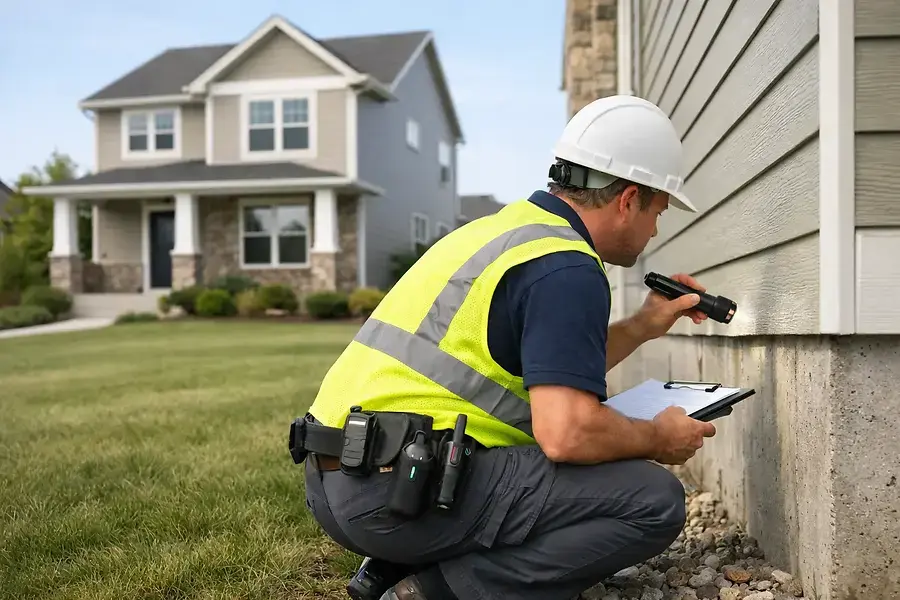
Home inspectors begin by examining the property's structural integrity, starting with the foundation. They look for cracks, settling, water damage, and signs of movement that could indicate serious problems. The inspector will assess walls, floors, and ceilings for any structural defects that could compromise the home's safety and longevity.
Roofing and Exterior
The roof is one of your home's most critical protective barriers. Inspectors evaluate the roof's age, condition, and remaining lifespan. They also examine:
- Shingles or tiles for damage, wear, and proper installation
- Gutters and downspouts for functionality and cleanliness
- Exterior walls, siding, and trim for deterioration
- Windows and doors for proper sealing and operation
- Drainage systems to prevent water accumulation
Plumbing Systems
A thorough plumbing inspection checks for leaks, water pressure issues, and pipe conditions. Inspectors test all fixtures, examine water supply lines, and evaluate the drainage system. They also assess the water heater's age, condition, and capacity to meet the household's needs.
Electrical Systems
Electrical safety is paramount. Inspectors examine the main electrical panel, circuit breakers, wiring, outlets, and switches. They verify that the electrical system meets current safety codes and can handle the home's power demands. Outdated or faulty wiring poses serious fire hazards and should be addressed immediately.
HVAC Systems
Heating, ventilation, and air conditioning systems are evaluated for proper operation and maintenance. Inspectors check furnaces, air conditioners, thermostats, and ductwork. They assess the system's age and estimate remaining useful life, as HVAC replacements can be expensive.
Interior Conditions
Inspectors examine interior spaces for signs of water damage, mold, pest infestations, and structural issues. They check:
- Walls and ceilings for water stains and damage
- Floors for unevenness or deterioration
- Insulation and ventilation adequacy
- Basement or crawl space conditions
- Appliances included in the sale
Common Red Flags and How to Address Them Before Purchase
Water Damage and Mold
Red Flag: Stains on ceilings, walls, or floors indicate past or present water intrusion. Mold growth poses health risks and suggests moisture problems.
How to Address: Request a professional mold inspection and remediation estimate. Negotiate for the seller to address the issue or provide a credit toward repairs. Identify and fix the water source to prevent recurrence.
Foundation Issues
Red Flag: Visible cracks, uneven floors, or doors that don't close properly suggest foundation problems that can be extremely costly to repair.
How to Address: Hire a structural engineer for a detailed assessment. Determine if the issue is cosmetic or structural. Use this information to negotiate a significant price reduction or request repairs before closing.
Outdated Electrical Systems
Red Flag: Aluminum wiring, knob-and-tube wiring, or an undersized electrical panel are serious safety concerns and insurance red flags.
How to Address: Obtain quotes from licensed electricians for system upgrades. Factor these costs into your offer or request the seller complete the work before closing.
Roof Problems
Red Flag: Missing shingles, sagging areas, or a roof nearing the end of its lifespan means expensive replacement is imminent.
How to Address: Get a roofing contractor's estimate for repairs or replacement. Use this information to negotiate the purchase price or request the seller address the issue.
HVAC System Failures
Red Flag: An aging furnace or air conditioner that's not functioning properly will require replacement soon, typically costing thousands of dollars.
How to Address: Obtain repair or replacement estimates from HVAC professionals. Negotiate credits or request the seller replace the system before closing.
Pest Infestations
Red Flag: Evidence of termites, rodents, or other pests indicates potential structural damage and ongoing problems.
How to Address: Request a pest inspection and treatment estimate. Determine the extent of damage and negotiate for professional pest control and repairs.
Conclusion: Making Informed Decisions Through Thorough Inspections
A professional home inspection is not an optional luxury—it's an essential investment in protecting your financial future. By understanding what inspectors evaluate and recognizing common red flags, you empower yourself to make informed decisions about your property purchase.
Don't let the excitement of finding your dream home cloud your judgment. Always hire a qualified, licensed home inspector before making your final commitment. Use the inspection report as a negotiating tool to address issues, request repairs, or adjust the purchase price accordingly. Remember, the cost of a thorough inspection is minimal compared to the potential expense of discovering major problems after you've already closed on the property.
Take control of your home-buying journey today. Schedule a professional inspection and gain the peace of mind that comes with knowing exactly what you're purchasing. Your future self will thank you for the diligence and care you invest in this critical decision.


