Complete Guide to Residential Property Inspections Before Purchase
Learn what professional inspectors look for and how to protect your investment before closing.

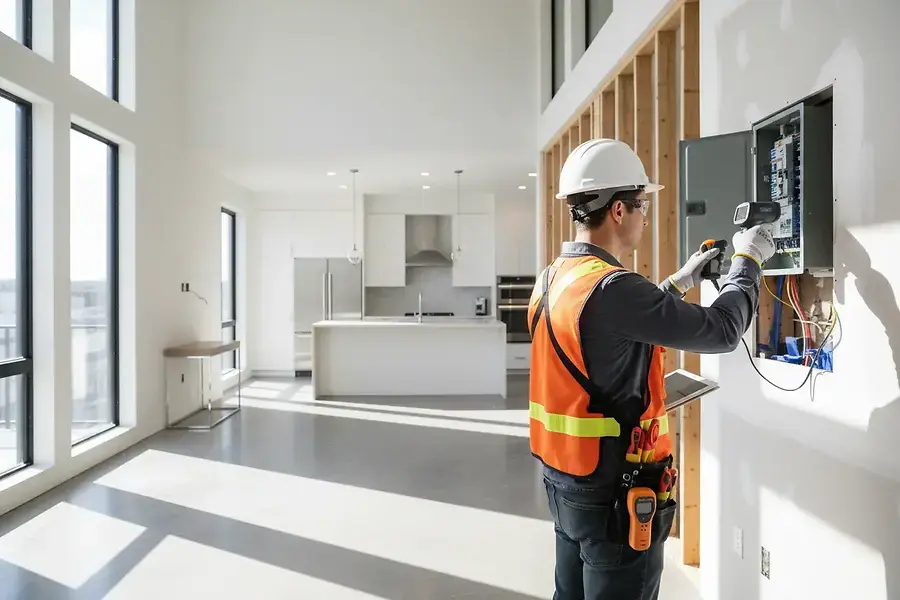
Understanding the Residential Inspection Process
A residential property inspection is a critical step in the home-buying journey. This thorough examination by a licensed professional provides you with detailed information about the condition of a property before you commit to purchase. Understanding what this process entails can help you make a more informed decision and potentially save thousands of dollars in unexpected repairs.
The inspection typically takes 2-4 hours depending on the home's size and age. During this time, the inspector will systematically evaluate the property's structural integrity, mechanical systems, and overall condition. Most inspectors will provide you with a detailed written report within 24-48 hours of the inspection.
Why Professional Inspections Matter
While it may be tempting to skip this step to save money, a professional inspection is one of the best investments you can make. Inspectors have specialized training and equipment to identify issues that untrained eyes might miss. They can spot problems ranging from minor maintenance needs to serious structural concerns that could affect your safety and finances.
Pro tip: Always attend the inspection in person if possible. This allows you to ask questions directly and gain a better understanding of the property's condition.
Key Areas Inspectors Evaluate in Your Home
Structural Components
Inspectors begin by examining the foundation, walls, and roof. They look for:
- Cracks in the foundation or basement walls
- Signs of water damage or moisture intrusion
- Roof condition, including shingles, flashing, and gutters
- Proper grading around the foundation to ensure water drainage
Electrical Systems
The electrical system is crucial for both safety and functionality. Inspectors check:
- The main electrical panel and circuit breakers
- Wiring condition and safety compliance
- Outlet and switch functionality
- Presence of proper grounding and bonding
Plumbing and Water Systems
Water-related issues can be expensive to repair. Inspectors evaluate:
- Water pressure and flow rates
- Pipe condition and material (older homes may have outdated pipes)
- Drain functionality
- Water heater age and condition
- Signs of leaks or water damage
HVAC Systems
Heating, ventilation, and air conditioning systems are essential for comfort. Inspectors assess:
- Furnace or heat pump age and functionality
- Air conditioning unit condition
- Ductwork integrity
- Thermostat operation
Interior and Exterior Features
Beyond major systems, inspectors examine:
- Windows and doors for proper operation and sealing
- Insulation levels in attic and walls
- Siding or exterior cladding condition
- Deck or porch structural integrity
- Appliances (if included in the sale)
How to Interpret Inspection Reports and Address Issues
Understanding the Report Format
Most inspection reports categorize findings into three levels: major issues, minor issues, and maintenance recommendations. Major issues require immediate attention and can significantly impact the property's value. Minor issues are typically cosmetic or require attention within a reasonable timeframe. Maintenance recommendations are suggestions for ongoing care.
Prioritizing Findings
Not every issue discovered during an inspection is a deal-breaker. Focus on:
- Safety concerns - electrical hazards, structural problems, or code violations
- Major systems - roof, foundation, HVAC, plumbing, and electrical
- Cost of repairs - expensive fixes that could affect your budget
Negotiation Strategies
Once you receive the inspection report, you have several options:
- Request repairs: Ask the seller to fix major issues before closing
- Request credits: Negotiate a price reduction to cover repair costs
- Accept as-is: Proceed with the purchase knowing the property's condition
- Walk away: Terminate the purchase if issues are too severe or costly
Remember: Your inspection contingency period is your opportunity to make an informed decision. Use this time wisely to gather all necessary information.
Final Steps: Using Inspection Results in Your Purchase Decision
Getting a Second Opinion
For major issues, consider hiring a specialist. If the inspector identifies roof problems, hire a roofing contractor. For electrical concerns, consult an electrician. These specialists can provide more detailed assessments and repair estimates.
Creating an Action Plan
After reviewing the inspection report and any specialist opinions, create a prioritized list of repairs and maintenance needs. Determine which items are critical for safety and functionality, and which can be addressed over time. This helps you budget for immediate expenses and plan future improvements.
Making Your Final Decision
Use all available information to make your final purchasing decision. Consider the property's overall condition, the cost of necessary repairs, and whether the home still meets your needs and budget. A thorough inspection provides peace of mind and protects your investment, making it one of the most important steps in the home-buying process.
By understanding what inspectors evaluate and how to use their findings, you're taking control of your home purchase and ensuring you're making a sound financial decision for your future.