Complete Guide to Residential Property Inspections for Homebuyers
Master the critical checkpoints that protect your investment and reveal hidden problems before closing day.

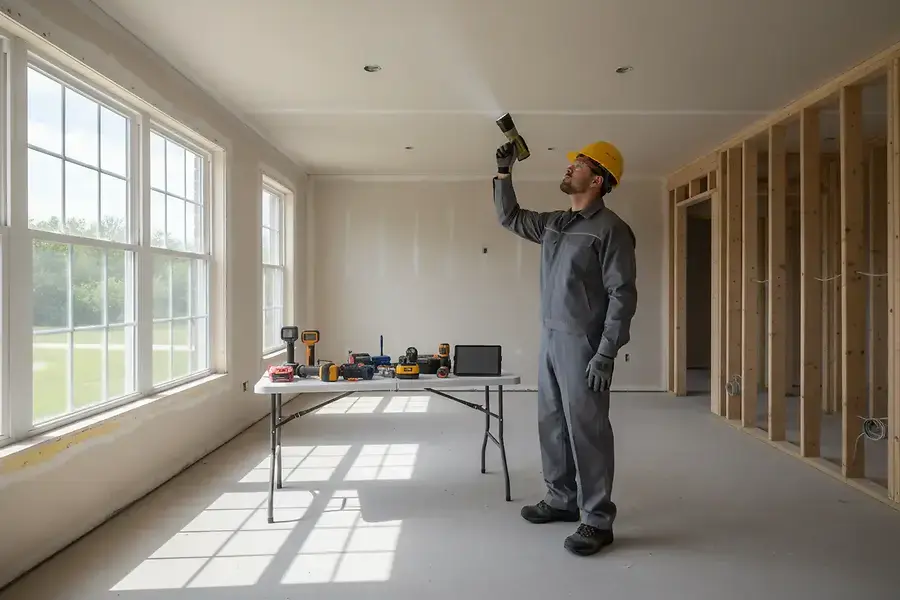
Why Professional Home Inspections Matter
Purchasing a home is one of the most significant financial decisions you'll make in your lifetime. While you may have fallen in love with the property's aesthetics and location, what lies beneath the surface—literally and figuratively—can dramatically impact your investment's value and safety. A professional home inspection serves as your financial safeguard, revealing structural issues, mechanical failures, and safety hazards that untrained eyes might miss.
Home inspectors are trained professionals who conduct thorough evaluations of residential properties, examining everything from the foundation to the roof. Their detailed reports provide you with critical information that can influence your purchasing decision, negotiation strategy, and future maintenance planning. Without this inspection, you could inherit costly repairs or dangerous conditions that weren't apparent during your initial walkthrough.
The inspection typically costs between $300 and $500, a small investment compared to the potential savings from discovering major issues before you commit to the purchase.
Key Areas Inspectors Evaluate During a Residential Property Assessment
Structural Components and Foundation
Inspectors begin by examining the foundation, walls, and overall structural integrity of the home. They look for cracks, settling issues, water damage, and signs of foundation failure. The basement or crawl space receives particular attention, as these areas often reveal moisture problems and structural concerns that could affect the entire home's stability.
Roofing System
The roof is your home's first line of defense against the elements. Inspectors assess the roof's age, condition, and remaining lifespan. They check for missing shingles, leaks, improper ventilation, and signs of wear that might require replacement sooner than expected. A roof replacement can cost $10,000 to $25,000, making this evaluation crucial.
Plumbing and Water Systems
Inspectors test water pressure, check for leaks, examine pipe materials, and assess the water heater's condition. They look for signs of corrosion, outdated materials like galvanized pipes, and potential issues with the septic system or well water quality. Plumbing problems can lead to water damage and mold growth if left unaddressed.
Electrical System
A thorough electrical inspection includes checking the main panel, circuit breakers, outlets, and wiring. Inspectors verify that the system meets current safety codes and can handle the home's electrical demands. Outdated or faulty electrical systems pose serious fire and shock hazards.
HVAC Systems
The heating, ventilation, and air conditioning systems are evaluated for proper operation, age, and maintenance needs. Inspectors check filters, thermostat functionality, and overall efficiency. Replacing an HVAC system can exceed $5,000, so understanding its condition is essential.
Interior Components
Inspectors examine walls, ceilings, floors, doors, and windows for damage, proper function, and signs of water intrusion. They assess insulation levels, check for drafts, and identify any cosmetic or structural issues that might affect comfort and energy efficiency.
Exterior Elements
The exterior inspection covers siding, gutters, downspouts, grading, and landscaping. Proper drainage is critical to prevent water from pooling near the foundation. Inspectors also check for pest damage, rot, and weathering that could compromise the home's protective envelope.
Red Flags and Deal-Breakers to Watch For in Inspection Reports
Structural Issues
Major cracks in the foundation, significant settling, or evidence of structural movement are serious concerns. These problems can be expensive to repair and may indicate deeper issues with the home's stability.
Mold and Water Damage
Extensive mold growth, water stains, or evidence of past flooding suggests ongoing moisture problems. Mold remediation and water damage repairs can be costly and pose health risks to occupants.
Outdated or Dangerous Electrical Systems
Aluminum wiring, insufficient grounding, or an overloaded panel are serious safety hazards. These issues must be addressed before occupancy to prevent fire risks.
Asbestos and Lead Paint
Homes built before the 1980s may contain asbestos in insulation, tiles, or roofing materials. Lead paint in older homes poses health risks, especially for children. Professional remediation is required and can be expensive.
Failing Roof or HVAC Systems
If the roof is nearing the end of its lifespan or the HVAC system is failing, budget for imminent replacement costs. These are major expenses that should factor into your negotiation or purchasing decision.
Pest Infestation
Evidence of termites, rodents, or other pests indicates potential structural damage and ongoing pest control needs. Professional pest remediation may be necessary.
Using Inspection Results to Negotiate and Make Informed Decisions
Once you receive the inspection report, you have several options. You can request that the seller make repairs before closing, ask for a credit to cover repair costs, or renegotiate the purchase price. Some issues are minor and easily fixed, while others may be deal-breakers that prompt you to walk away.
Review the report carefully with your real estate agent and consider obtaining quotes from contractors for major repairs. This information strengthens your negotiating position and helps you understand the true cost of ownership.
Don't skip the home inspection to save money or expedite the closing process. This critical step protects your investment, reveals hidden problems, and empowers you to make informed decisions. A thorough inspection report is your roadmap to a safe, sound home purchase.