Complete Guide to Residential Property Valuation and Market Pricing
Learn how professional appraisals determine your home's true market value and what factors influence pricing decisions.

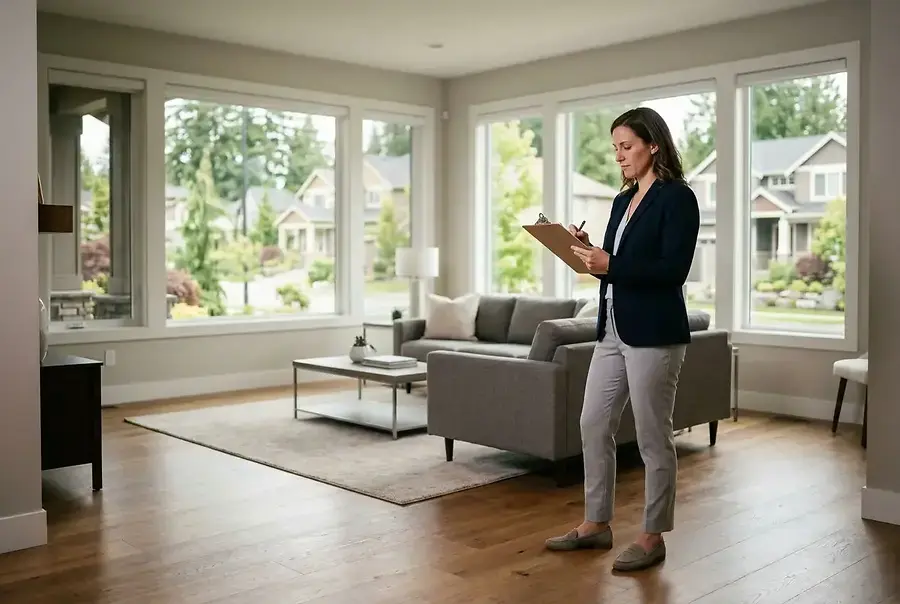
Understanding Property Appraisal Methods and Standards
Professional property appraisals are the foundation of accurate home valuation. Licensed appraisers use standardized methods to determine a property's fair market value, which is essential for lenders, buyers, and sellers alike. Understanding these methods helps you grasp how your home's worth is calculated.
The Three Primary Appraisal Approaches
Appraisers typically employ three distinct approaches to valuation, each serving different purposes depending on the property type and market conditions.
The Sales Comparison Approach is the most common method for residential properties. Appraisers analyze recent sales of similar homes in your area, making adjustments for differences in size, condition, location, and amenities. This approach reflects what buyers are actually willing to pay for comparable properties.
The Cost Approach calculates the value by estimating the cost to rebuild the home from scratch, then subtracting depreciation and adding the land value. This method is particularly useful for newer homes or unique properties where comparable sales data is limited.
The Income Approach is primarily used for investment properties and rental homes. It determines value based on the property's income-generating potential, considering rental income and operating expenses.
Professional Standards and Regulations
All appraisals must comply with the Uniform Standards of Professional Appraisal Practice (USPAP), which ensures consistency and accuracy across the industry. Licensed appraisers follow strict ethical guidelines and must maintain independence from the transaction outcome.
Key Factors That Impact Residential Home Values
Multiple factors influence your home's market value. Understanding these elements helps you recognize opportunities to increase your property's worth and make informed decisions about improvements.
Location and Neighborhood Characteristics
Location remains the most critical factor in property valuation. Consider these location-based elements:
- School District Quality: Homes in top-rated school districts command premium prices, even among buyers without children.
- Proximity to Amenities: Closeness to shopping, restaurants, parks, and public transportation increases value.
- Neighborhood Trends: Areas experiencing revitalization or economic growth typically see rising property values.
- Safety and Crime Rates: Neighborhoods with lower crime rates attract more buyers and justify higher prices.
Physical Property Characteristics
The home's physical condition and features directly impact its valuation:
- Square Footage: Generally, larger homes command higher prices, though price per square foot varies by market.
- Age and Condition: Newer homes or recently renovated properties typically appraise higher than older, poorly maintained homes.
- Number of Bedrooms and Bathrooms: More bedrooms and bathrooms increase appeal and value, particularly for family homes.
- Lot Size and Layout: Larger lots and desirable layouts (open floor plans, natural light) enhance value.
- Roof and Foundation: These major structural components significantly influence appraisal values.
Market Conditions and Economic Factors
Broader economic conditions shape the real estate market:
- Interest Rates: Lower mortgage rates increase buyer purchasing power, driving prices up.
- Supply and Demand: Limited inventory in high-demand areas pushes prices higher.
- Economic Growth: Strong local employment and income growth support higher property values.
- Market Trends: Whether it's a buyer's or seller's market affects pricing strategies and final valuations.
How to Prepare Your Home for a Professional Appraisal
While appraisers focus on objective factors, presenting your home in the best possible condition can positively influence the appraisal outcome.
Pre-Appraisal Preparation Steps
Curb Appeal Matters: First impressions count. Ensure your lawn is well-maintained, landscaping is neat, and the exterior is clean. A fresh coat of paint on the front door and updated house numbers can make a difference.
Interior Cleanliness: A clean, organized home allows appraisers to assess the property's true condition without distraction. Deep clean all areas, including closets and storage spaces.
Document Recent Improvements: Gather receipts and documentation for any recent renovations, upgrades, or repairs. Major improvements like new roofing, HVAC systems, or kitchen remodels should be highlighted.
Address Obvious Issues: Fix minor problems like leaky faucets, broken windows, or damaged flooring. These issues can disproportionately affect appraisals if left unaddressed.
What to Avoid During Appraisal
Don't attempt to influence the appraiser or provide misleading information. Appraisers are trained professionals who will discover any discrepancies. Instead, provide accurate information about your home's features, recent improvements, and any upgrades you've made.
Leveraging Accurate Valuations for Buying and Selling Success
Accurate property valuations are powerful tools for both buyers and sellers in real estate transactions.
For Home Sellers
Understanding your home's true market value helps you price competitively. Overpricing can result in your home sitting on the market longer, while underpricing leaves money on the table. A professional appraisal provides objective data to support your asking price and strengthens your negotiating position.
For Home Buyers
An appraisal protects your investment by confirming the property is worth the purchase price. If the appraisal comes in lower than the agreed price, you have leverage to renegotiate or walk away from the deal. This safeguard prevents overpaying for a property.
For Refinancing and Home Equity
Homeowners refinancing their mortgages or seeking home equity loans need accurate appraisals. A higher valuation can result in better loan terms and access to more funds. Regular appraisals help you understand your home's equity position and plan for future financial needs.
Making Data-Driven Decisions
Whether you're buying, selling, or refinancing, use appraisal data to make informed decisions. Compare your property's valuation to recent sales in your area, consider market trends, and consult with real estate professionals. Knowledge is power in real estate transactions, and accurate valuations provide the foundation for successful outcomes.
By understanding how properties are appraised and what factors influence value, you can navigate the real estate market with confidence and achieve your financial goals.


