Complete Guide to San Antonio Home Inspections for Smart Buyers
Discover the critical inspection points that protect your investment and prevent costly surprises in your San Antonio home purchase.

Understanding the Home Inspection Process
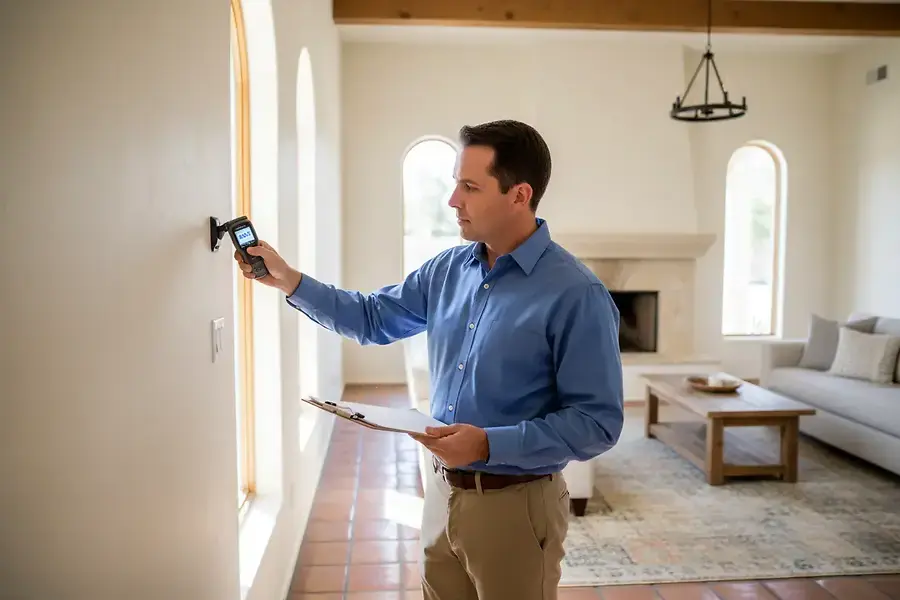
A home inspection is one of the most critical steps in the home-buying process, especially in San Antonio where the climate and construction styles present unique challenges. A professional home inspector will conduct a thorough examination of the property's structural integrity, systems, and components to identify any existing or potential issues.
The inspection typically takes two to three hours and covers both the interior and exterior of the home. As a buyer, you have the right to be present during the inspection, and it's highly recommended that you attend. This gives you the opportunity to ask questions and understand the property's condition firsthand.
What to Expect During an Inspection
Your inspector will use specialized tools and equipment to evaluate the home's condition. They'll test systems, check for safety hazards, and document their findings in a detailed report. The inspector works independently and provides an unbiased assessment of the property, which is crucial for your decision-making process.
Key Areas Inspectors Examine in San Antonio Homes
Foundation and Structural Components
San Antonio's clay-heavy soil can cause foundation issues over time. Inspectors carefully examine the foundation for cracks, settling, and water damage. They also check the structural integrity of walls, beams, and support systems to ensure the home is built on a solid foundation.
Roofing and Attic
The Texas heat and occasional severe weather make roof inspection essential. Inspectors assess:
- Shingle condition and age
- Flashing around chimneys and vents
- Attic ventilation and insulation
- Signs of leaks or water damage
HVAC Systems
San Antonio's hot summers make air conditioning systems critical. Inspectors test both heating and cooling systems, check refrigerant levels, examine ductwork, and verify that systems are properly maintained and functioning efficiently.
Plumbing and Water Systems
Inspectors check for water pressure, drainage issues, and pipe corrosion. They examine visible pipes, test fixtures, and look for signs of leaks. In older San Antonio homes, galvanized pipes may need replacement, which is an important consideration for your budget.
Electrical Systems
A thorough electrical inspection includes checking the panel, outlets, switches, and wiring. Inspectors verify that the system meets current safety codes and can handle modern electrical demands. Outdated or unsafe electrical systems are a serious concern that requires immediate attention.
Windows, Doors, and Exterior
Inspectors examine the condition of windows and doors, checking for proper sealing, operation, and signs of water intrusion. The exterior inspection includes siding, trim, gutters, and drainage systems that protect the home from weather damage.
Red Flags and How to Respond
Major Structural Issues
Significant foundation cracks, severe settling, or structural damage are serious concerns. If your inspector identifies these issues, consult with a structural engineer before proceeding. These repairs can be expensive and may affect the home's value and safety.
Roof Problems
A roof nearing the end of its lifespan or showing significant damage requires attention. Budget for replacement costs, which can range significantly depending on the roof size and materials. This is often a negotiating point in the purchase agreement.
Outdated or Failing Systems
Old HVAC systems, outdated electrical panels, or failing plumbing systems should be factored into your decision. Request quotes from contractors for necessary repairs and use this information to negotiate the purchase price or request repairs before closing.
Water Damage and Mold
Any signs of water intrusion, staining, or mold growth require investigation. These issues can indicate serious problems with the roof, foundation, or plumbing. Never ignore water damage, as it can lead to structural deterioration and health concerns.
Pest Damage
Evidence of termites, rodents, or other pests should prompt a specialized pest inspection. San Antonio's warm climate makes pest control an ongoing concern for homeowners. Significant pest damage may require treatment and repairs.
How to Respond to Red Flags
- Request repairs: Ask the seller to fix critical issues before closing
- Negotiate the price: Reduce the offer based on repair costs
- Get specialist inspections: Hire experts for specific concerns (structural, pest, mold)
- Walk away if necessary: Don't proceed if issues are too severe or costly
Conclusion: Making Informed Decisions with Inspection Reports
A comprehensive home inspection is your best defense against costly surprises after purchase. The inspection report provides detailed documentation of the home's condition, giving you the information needed to make a confident decision.
Use the inspection report strategically: Prioritize major issues that affect safety and structural integrity. Minor cosmetic issues are typically the buyer's responsibility after closing. Work with your real estate agent to negotiate repairs or price adjustments based on the inspector's findings.
Remember, no home is perfect, but understanding what you're buying allows you to plan for maintenance and repairs. By taking the home inspection seriously and responding appropriately to any red flags, you're protecting your investment and ensuring your San Antonio home purchase is a smart financial decision for years to come.


