Complete Guide to Understanding Home Inspection Reports Before Buying
Learn how to interpret inspection findings and use them to negotiate repairs with confidence.

What Home Inspectors Evaluate and Why It Matters
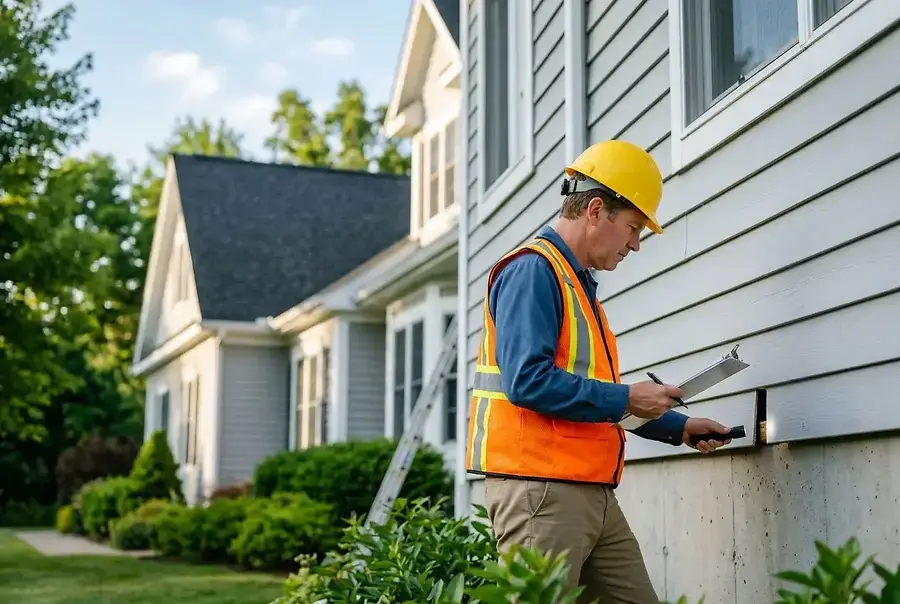
A home inspection is one of the most critical steps in the home-buying process. Professional inspectors conduct a thorough examination of a property's structural integrity, mechanical systems, and overall condition. Understanding what they evaluate helps you make an informed decision about your investment.
Home inspectors typically assess the following key areas:
- Foundation and Structure: Cracks, settling, water damage, and structural integrity
- Roof and Attic: Shingles, flashing, ventilation, and insulation
- Plumbing Systems: Water pressure, drainage, leaks, and pipe conditions
- Electrical Systems: Panel safety, wiring, outlets, and code compliance
- HVAC Systems: Heating, cooling, and ventilation functionality
- Exterior Elements: Siding, windows, doors, and grading
- Interior Components: Walls, ceilings, floors, and appliances
Why does this matter? A comprehensive inspection protects your investment by identifying potential problems before you commit to the purchase. Issues discovered during inspection can range from minor cosmetic concerns to major structural problems that could cost thousands to repair.
Common Issues Found in Inspections and Their Costs
Roof Problems
Roof issues are among the most frequently discovered problems. Missing shingles, deteriorated flashing, or inadequate ventilation can lead to water damage. Repair costs typically range from $500 to $3,000 for minor fixes, while a complete roof replacement can exceed $10,000.
Plumbing Issues
Common plumbing problems include corroded pipes, slow drains, and water leaks. Minor repairs might cost $200 to $500, but replacing old galvanized pipes throughout a home can run $5,000 to $15,000.
Electrical Concerns
Outdated wiring, insufficient outlets, or code violations are typical electrical findings. Upgrading an electrical panel costs between $1,500 and $3,000, while rewiring an entire home can exceed $20,000.
HVAC System Failures
Aging heating and cooling systems frequently appear in inspection reports. Repairs range from $300 to $1,500, while a complete system replacement typically costs $5,000 to $10,000.
Foundation and Structural Issues
These are the most serious concerns. Minor cracks might cost $500 to $2,000 to repair, but significant structural problems can require $10,000 or more in remediation.
"Understanding the cost implications of inspection findings empowers you to negotiate effectively and budget for future repairs."
How to Negotiate Repairs and Credits After Inspection
Review the Report Thoroughly
Don't skim your inspection report. Read it carefully and understand each finding. Ask your inspector to explain any items you don't understand. Take notes on which issues are deal-breakers versus those you can live with.
Prioritize Your Concerns
Categorize findings into three groups: critical issues (safety and structural), important repairs (systems affecting home function), and minor concerns (cosmetic or low-cost fixes). Focus your negotiations on critical and important items.
Get Repair Estimates
Before negotiating, obtain written estimates from licensed contractors for major repairs. This gives you concrete numbers to present to the seller. Sellers are more likely to take your requests seriously when backed by professional quotes.
Decide Your Negotiation Strategy
You have several options:
- Request Repairs: Ask the seller to fix issues before closing
- Request Credits: Ask for a credit toward closing costs to handle repairs yourself
- Request Price Reduction: Negotiate a lower purchase price to account for repairs
- Walk Away: If issues are too severe, you may choose not to proceed
Negotiate Professionally
Present your requests in writing through your real estate agent. Be specific about which items you want addressed and provide supporting documentation. Remain professional and reasonable—sellers are more likely to cooperate if they feel respected.
Remember that sellers are not obligated to make repairs, especially in "as-is" sales. However, inspection findings give you leverage to renegotiate terms or walk away if necessary.
Final Steps: Using Inspection Results in Your Purchase Decision
Evaluate the Big Picture
Don't let one or two issues derail your purchase if the home is otherwise sound. Consider the property's age, location, and overall value. A 40-year-old home will naturally have more wear than a newer property.
Consider Long-Term Costs
Factor inspection findings into your long-term financial planning. If major systems like the roof or HVAC are nearing the end of their lifespan, budget for replacements within the next few years. This helps you determine if the property remains a good investment.
Make Your Final Decision
Use the inspection report as one of several decision-making tools. Consider:
- The severity and cost of identified issues
- Your budget for repairs and maintenance
- The property's overall condition and value
- Your comfort level with the home's systems and structure
- Market conditions and available alternatives
Move Forward with Confidence
Once you've addressed inspection concerns through negotiation or accepted them as part of your purchase, you can move forward with confidence. You now have a clear understanding of the property's condition and what to expect as a homeowner.
The home inspection report is your roadmap to informed decision-making. By understanding what inspectors evaluate, recognizing common issues and their costs, negotiating effectively, and using the results to guide your final decision, you protect your investment and set yourself up for success as a homeowner.


