Complete Home Inspection Checklist for Columbus, Ohio Homebuyers
Learn what professional inspectors evaluate and how to use inspection reports to make confident purchasing decisions.

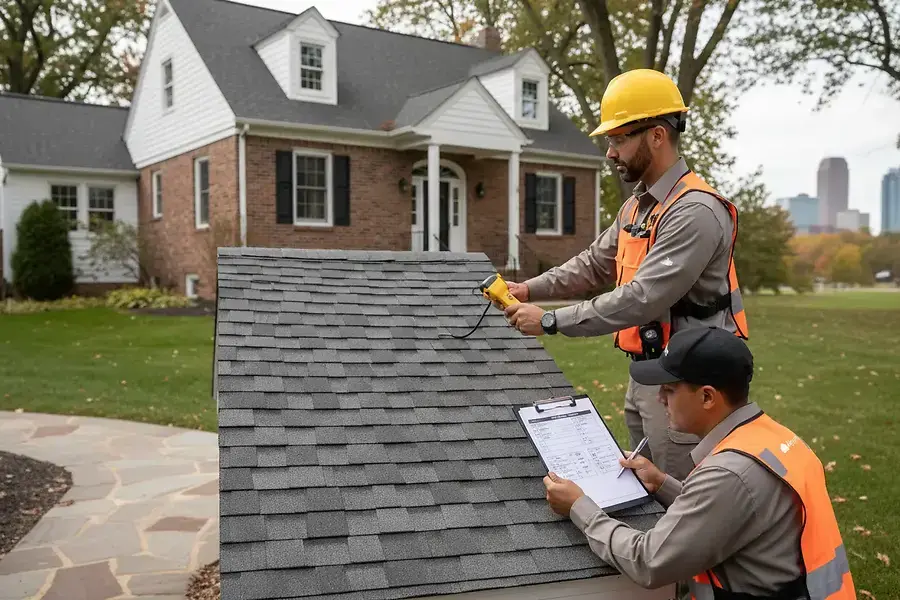
Why Home Inspections Matter in Columbus
Purchasing a home is one of the most significant investments you'll make in your lifetime. In Columbus, Ohio, where properties range from historic Victorian homes to modern suburban developments, a thorough home inspection is essential to protecting your investment. A professional home inspection provides an objective assessment of a property's condition, identifying potential issues before you commit to the purchase.
Many first-time homebuyers underestimate the importance of inspections, viewing them as an unnecessary expense. However, inspections can reveal costly problems that might not be visible during a casual walkthrough. From foundation issues to outdated electrical systems, these discoveries can significantly impact your negotiating power and long-term homeownership costs.
Critical Areas Inspectors Evaluate in Columbus Homes
Structural Integrity and Foundation
Columbus inspectors pay close attention to a home's foundation, as the region's clay-heavy soil can cause settling and cracking over time. Professional inspectors examine:
- Foundation cracks and their severity
- Signs of water intrusion or moisture damage
- Basement walls for bowing or leaning
- Proper grading around the foundation
Roofing and Exterior Systems
The roof is your home's first line of defense against Ohio's variable weather patterns. Inspectors evaluate:
- Roof age and remaining lifespan
- Missing, cracked, or curling shingles
- Proper ventilation and attic conditions
- Gutters, downspouts, and drainage systems
- Siding condition and potential water damage
Plumbing and Water Systems
Water-related issues are among the most expensive to repair. Inspectors check:
- Water pressure and flow rates
- Pipe materials and condition (galvanized, copper, PEX)
- Presence of lead pipes or solder
- Water heater age and functionality
- Septic systems or municipal connections
Electrical Systems
Outdated electrical systems pose safety risks and may not support modern appliance demands. Inspectors examine:
- Panel capacity and breaker conditions
- Grounding and bonding adequacy
- Outlet and switch functionality
- Presence of aluminum wiring (common in older Columbus homes)
- GFCI protection in wet areas
HVAC and Climate Control
Columbus experiences four distinct seasons, making reliable heating and cooling systems crucial. Inspectors assess:
- Furnace and air conditioning unit age
- System efficiency and maintenance history
- Ductwork condition and insulation
- Thermostat functionality
Common Issues Found in Columbus Properties and Solutions
Moisture and Basement Problems
Issue: Columbus's humid climate and clay soil create ideal conditions for basement moisture, mold, and efflorescence (white mineral deposits on walls).
Solution: Install or improve sump pumps, add interior or exterior drainage systems, apply waterproof sealants, and ensure proper grading away from the foundation. Budget $2,000-$8,000 for comprehensive basement waterproofing.
Aging Roofs
Issue: Many Columbus homes have roofs nearing the end of their 20-25 year lifespan, especially in older neighborhoods.
Solution: Plan for roof replacement if the inspection reveals significant wear. Modern asphalt shingles typically cost $8,000-$15,000 for a standard home. Consider this when making your offer.
Outdated Electrical Systems
Issue: Homes built before the 1980s often have insufficient electrical capacity or outdated wiring that doesn't meet current safety codes.
Solution: Budget for panel upgrades ($1,500-$3,000) or complete rewiring ($8,000-$15,000) if necessary. This is a safety priority that shouldn't be delayed.
Plumbing Concerns
Issue: Galvanized pipes corrode over time, reducing water pressure and quality. Lead solder in older homes poses health risks.
Solution: Plan for gradual pipe replacement or full repipe ($3,000-$10,000). Prioritize replacing lead solder in drinking water lines immediately.
HVAC Age and Efficiency
Issue: Systems older than 15 years often operate inefficiently, increasing utility bills and reducing comfort.
Solution: Budget $5,000-$10,000 for replacement. Modern systems are significantly more efficient and may qualify for energy rebates.
Using Inspection Results to Negotiate Better Deals
Request Repairs or Credits
Once you receive the inspection report, you have several options. You can request that the seller make specific repairs before closing, provide a credit toward repairs you'll handle yourself, or reduce the purchase price to account for necessary work. Be strategic: prioritize major structural and safety issues over cosmetic concerns.
Get Contractor Estimates
Don't rely solely on the inspector's cost estimates. Obtain quotes from licensed contractors for major repairs. This gives you concrete numbers to present during negotiations and ensures you understand the true cost of addressing issues.
Know Your Walk-Away Point
Establish a maximum budget for repairs before making an offer. If the inspection reveals issues exceeding this amount, you may want to walk away or significantly renegotiate the price. Remember: you're not obligated to purchase a property with significant problems.
Understand Local Market Conditions
In a competitive Columbus market, sellers may be less willing to negotiate. In a buyer's market, you have more leverage. Your real estate agent can advise on what's reasonable to request based on current conditions.
Pro Tip: Always attend the inspection if possible. Ask the inspector questions, take notes, and get a clear understanding of issues and their severity. This knowledge empowers you during negotiations.
Conclusion: Making Confident Purchasing Decisions
A comprehensive home inspection is your safeguard against costly surprises and a powerful tool for negotiation. By understanding what inspectors evaluate, recognizing common Columbus property issues, and knowing how to leverage inspection results, you can make informed decisions that protect your investment.
Don't skip the inspection to save money—it's one of the best investments you can make as a homebuyer. Work with a qualified inspector, review the report thoroughly, and use the findings to negotiate terms that reflect the property's true condition. With this approach, you'll move forward with confidence in your Columbus home purchase.