Complete Home Inspection Checklist for DFW Residential Buyers
Master the critical inspection process that protects your investment in Frisco, Dallas, Fort Worth, and surrounding suburbs.

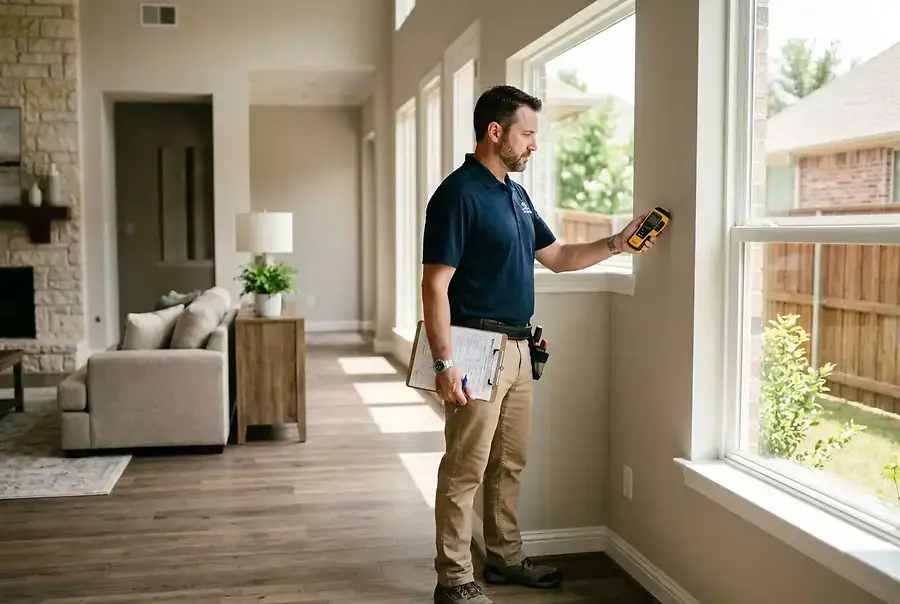
Understanding the DFW Home Inspection Process and What Inspectors Look For
A professional home inspection is one of the most critical steps in the home-buying process, especially in the Dallas-Fort Worth region. During a typical inspection, certified inspectors examine the property's structural integrity, mechanical systems, and overall condition. This process usually takes 2-4 hours and covers everything from the foundation to the roof.
When you hire an inspector in the DFW area, they will evaluate:
- Structural components – Foundation, walls, floors, and roof structure
- Roofing systems – Shingles, flashing, gutters, and drainage
- Exterior elements – Siding, windows, doors, and grading
- HVAC systems – Air conditioning, heating, and ventilation
- Plumbing – Water lines, drainage, fixtures, and water heater
- Electrical systems – Panel, wiring, outlets, and safety features
- Interior spaces – Walls, ceilings, floors, and built-in appliances
As a buyer, you have the right to be present during the inspection. This is an excellent opportunity to ask questions and understand the property's condition firsthand. Many inspectors will walk you through their findings and explain any concerns they discover.
Common Issues Found in North Texas Homes: Age, Climate, and Construction Factors
The DFW region's unique climate and construction history create specific challenges that buyers should understand. North Texas experiences extreme temperature fluctuations, intense summer heat, and occasional severe weather events that can impact home structures.
Climate-Related Issues
Foundation problems are particularly common in the DFW area due to expansive clay soil. The region's dry summers and wet winters cause soil to shift, potentially leading to foundation cracks and settling issues. Inspectors pay special attention to foundation cracks, uneven floors, and doors that don't close properly.
The intense Texas heat also affects HVAC systems significantly. Air conditioning units work overtime during summer months, making them prone to early failure. Inspectors will check the age, efficiency, and condition of cooling systems carefully.
Age-Related Concerns
Older homes in established DFW neighborhoods may have outdated electrical systems, plumbing materials, or roofing. Galvanized water pipes in homes built before the 1980s often corrode over time. Older roofs may be near the end of their lifespan and require replacement soon after purchase.
Construction and Material Issues
Some North Texas homes built during rapid development periods may have construction quality variations. Inspectors look for signs of poor workmanship, inadequate insulation, or improper installation of systems. Attic ventilation is particularly important in the DFW climate to prevent moisture buildup and premature roof deterioration.
How to Interpret Inspection Reports and Negotiate Repairs with Sellers
Once the inspection is complete, you'll receive a detailed report documenting all findings. Understanding how to read this report is crucial for making informed decisions about your purchase.
Report Categories and Severity Levels
Most inspection reports categorize issues by severity. Critical items require immediate attention and may affect the home's safety or value. Major concerns should be addressed soon, while minor issues are typically cosmetic or low-priority maintenance items.
Pay close attention to items marked as safety hazards. These might include electrical code violations, gas leak risks, or structural concerns that could endanger occupants.
Negotiation Strategies
After receiving the inspection report, you have several options:
- Request seller repairs – Ask the seller to fix critical issues before closing
- Negotiate a price reduction – Reduce the offer price to account for repair costs
- Request a credit at closing – Receive funds to handle repairs yourself
- Accept the property as-is – Proceed without repairs (not recommended for major issues)
When negotiating, focus on documented, significant issues rather than minor cosmetic concerns. Provide repair estimates from licensed contractors to support your requests. Be prepared to compromise—sellers may agree to fix some items but not others.
Working with Your Real Estate Agent
Your real estate agent can provide valuable guidance during negotiations. They understand local market conditions and know what repairs are typically expected in DFW transactions.
A skilled agent will help you prioritize which issues to negotiate and which to handle independently after purchase.
Protecting Your Investment: Post-Purchase Maintenance Tips for DFW Homeowners
The inspection process doesn't end at closing. Protecting your investment requires ongoing maintenance and attention to the specific needs of DFW homes.
Seasonal Maintenance Schedule
Spring and Fall are ideal times for HVAC system maintenance. Have your air conditioning serviced before summer heat arrives and your heating system checked before winter. Clean gutters and downspouts to ensure proper water drainage, especially important given North Texas weather patterns.
Summer demands attention to foundation health. Monitor for new cracks or signs of settling. Keep landscaping away from the foundation to prevent moisture issues. Check that your air conditioning system is operating efficiently.
Winter is the time to inspect your roof for damage and ensure proper attic ventilation. Check for water stains in ceilings and walls that might indicate leaks.
Critical Maintenance Areas for DFW Homes
- Foundation monitoring – Watch for new cracks or doors that stick
- Roof inspections – Check annually for missing shingles or damage
- HVAC servicing – Professional maintenance twice yearly
- Plumbing checks – Test water pressure and inspect for leaks
- Electrical safety – Ensure outlets work properly and no signs of overheating
Building a Home Maintenance Fund
Set aside 1-2% of your home's purchase price annually for maintenance and repairs. This fund will help you address issues promptly without financial strain. Major systems like roofs, HVAC units, and water heaters have limited lifespans and will eventually require replacement.
By understanding the inspection process, recognizing common DFW issues, and maintaining your home properly, you'll protect your investment and enjoy your new property for years to come. A thorough inspection is your first line of defense—use it wisely.