Complete Home Inspection Checklist for Essex CT Homebuyers and Sellers
Discover the critical inspection points that protect your investment and reveal hidden issues before you commit to your Essex home purchase.

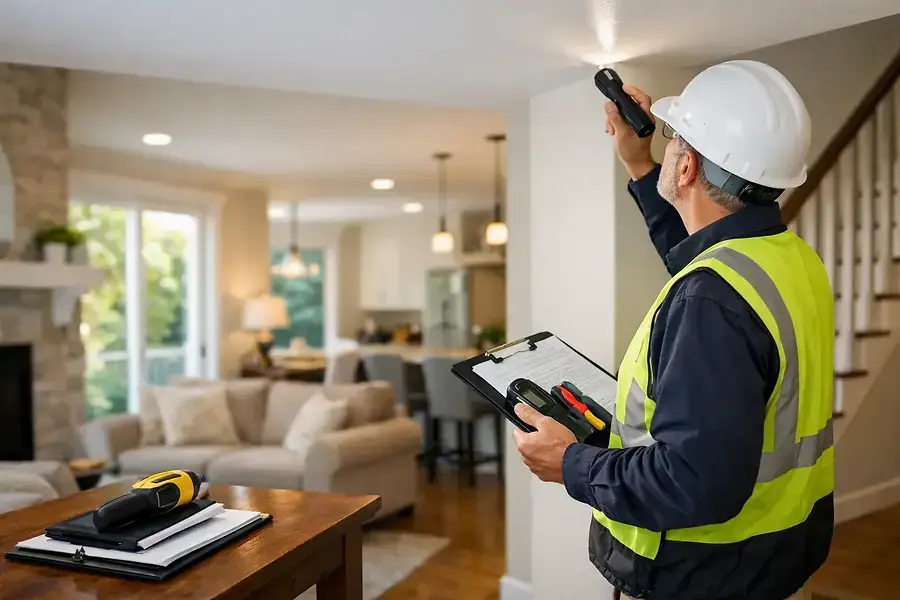
Why Home Inspections Matter in Essex's Competitive Market
In Essex, Connecticut's dynamic real estate market, a thorough home inspection is not just a formality—it's your financial safeguard. Whether you're a first-time homebuyer or an experienced seller preparing your property for sale, understanding what inspectors evaluate can mean the difference between a sound investment and costly surprises down the road.
Home inspections provide an objective assessment of a property's condition, identifying issues that may not be visible during a casual walkthrough. In Essex's competitive market, where properties move quickly, having a comprehensive inspection report gives you negotiating power and peace of mind. Sellers benefit too, as addressing issues proactively can increase market appeal and prevent deal-killing discoveries during buyer inspections.
The inspection process typically takes 2-3 hours and covers multiple systems and structural elements. A certified inspector will examine everything from the foundation to the roof, documenting their findings in a detailed report that becomes crucial for your decision-making process.
Critical Structural and Foundation Elements to Evaluate
Foundation and Basement Conditions
The foundation is your home's literal base, making it one of the most critical inspection areas. Inspectors look for:
- Cracks and settling: Small hairline cracks are normal, but larger cracks or stair-step patterns may indicate serious structural issues
- Water intrusion signs: Efflorescence (white mineral deposits), dampness, or mold growth suggest moisture problems
- Proper grading: Soil should slope away from the foundation to prevent water pooling
- Basement ventilation: Adequate airflow prevents moisture accumulation and mold growth
Roof and Attic Assessment
Your roof protects everything beneath it, making its condition paramount. Inspectors evaluate:
- Shingle condition and remaining lifespan
- Flashing integrity around chimneys and vents
- Attic ventilation and insulation levels
- Signs of leaks or water damage on interior surfaces
- Proper attic access and structural support
Essex homes often experience weather-related wear, making roof inspections particularly important for this region.
Exterior Elements and Siding
The exterior envelope protects your home from the elements. Critical inspection points include:
- Siding material condition and potential rot
- Window and door frame integrity
- Gutter and downspout functionality
- Deck or porch structural soundness
- Proper caulking and weatherproofing
Systems and Utilities: HVAC, Plumbing, and Electrical Considerations
Heating, Ventilation, and Air Conditioning (HVAC)
Your HVAC system is essential for comfort and indoor air quality. Inspectors examine:
- System age and type: Older systems may require replacement soon
- Operational efficiency: The system should heat and cool effectively
- Ductwork condition: Leaks reduce efficiency and increase energy costs
- Thermostat functionality: Proper temperature control is essential
- Filter accessibility: Regular maintenance should be straightforward
Plumbing Systems and Water Quality
Plumbing issues can be expensive and disruptive. Inspectors check:
- Water pressure and flow rates throughout the home
- Pipe material and condition (galvanized, copper, PVC, or PEX)
- Signs of leaks, corrosion, or water staining
- Drain functionality and potential blockages
- Water heater age, condition, and capacity
- Septic system or municipal sewer connection status
Pro Tip: Ask about the water heater's age and maintenance history. Replacement costs can range significantly depending on the type and capacity needed for your household.
Electrical Systems and Safety
Electrical safety is non-negotiable. Inspectors evaluate:
- Panel condition and amperage capacity for modern needs
- Proper grounding and bonding throughout the home
- GFCI outlets in bathrooms, kitchens, and outdoor areas
- Presence of outdated wiring (knob-and-tube or aluminum)
- Adequate outlet placement and no overloaded circuits
- Proper breaker labeling and functionality
Outdated electrical systems are a common issue in older Essex homes and may require upgrades to meet current safety codes or support modern appliances and technology.
Additional Systems to Consider
Beyond the major systems, inspectors also evaluate:
- Insulation levels: Proper insulation reduces energy costs and improves comfort
- Windows and doors: Functionality, sealing, and energy efficiency
- Appliances: Age, condition, and included items in the sale
- Safety features: Smoke detectors, carbon monoxide detectors, and fire extinguishers
Empowering Yourself as an Informed Essex Homebuyer
Armed with a comprehensive inspection report, you're equipped to make confident decisions about your Essex home purchase or sale. Here's how to maximize the inspection process:
For Buyers: Review the inspection report carefully and don't hesitate to ask your inspector questions about findings. Use significant issues as negotiation points with the seller, requesting repairs or credits toward closing costs.
For Sellers: Consider getting a pre-listing inspection to identify and address issues before marketing your home. This transparency builds buyer confidence and can justify your asking price.
A thorough home inspection is an investment in your future. In Essex's competitive real estate market, this knowledge transforms you from a passive participant into an empowered decision-maker. Whether you're buying your dream home or selling a cherished property, understanding what inspectors evaluate ensures you're protecting your interests and making choices based on facts, not assumptions.
Remember: A detailed inspection report is your roadmap to a successful real estate transaction.


