Complete Home Inspection Checklist for Evans, GA Homebuyers
Learn what every homebuyer in Evans should know before making their purchase decision.

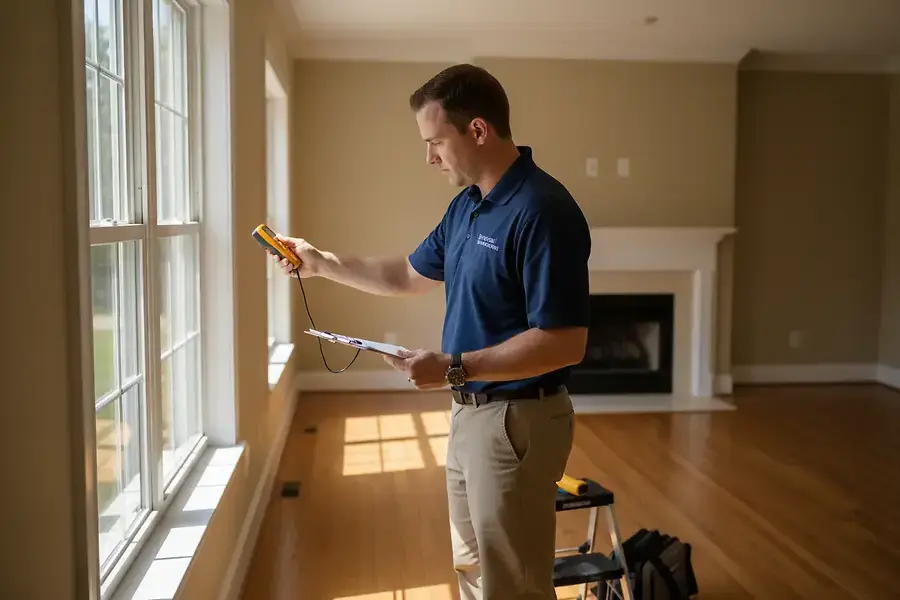
Why Home Inspections Matter in Evans
Purchasing a home is one of the most significant investments you'll make in your lifetime. In Evans, Georgia, where the real estate market is competitive and diverse, a thorough home inspection is not just recommended—it's essential. A professional home inspection provides you with an objective assessment of the property's condition, helping you make an informed decision and potentially saving you thousands of dollars in unexpected repairs.
Home inspections serve as your protection against hidden defects and structural issues that may not be visible during a casual walkthrough. Whether you're buying a newly constructed home or a property that's been on the market for years, understanding what inspectors look for can help you navigate the buying process with confidence.
Key Areas Inspectors Evaluate in Georgia Homes
Structural Components
Professional inspectors begin by examining the home's foundation, framing, and overall structural integrity. In Evans, where soil conditions and weather patterns can affect foundations, inspectors pay special attention to:
- Foundation cracks and settling issues
- Basement or crawl space conditions
- Wall alignment and structural support
- Signs of water intrusion or moisture damage
Roofing and Exterior
The roof is your home's first line of defense against Georgia's weather. Inspectors evaluate:
- Roof age, condition, and remaining lifespan
- Shingle integrity and potential leaks
- Gutters, downspouts, and drainage systems
- Siding, windows, and exterior doors
- Decks, porches, and outdoor structures
Plumbing Systems
Water-related issues can be costly and difficult to repair. Inspectors examine:
- Water supply lines and pressure
- Drain and sewer systems
- Fixtures and their functionality
- Water heater condition and capacity
- Evidence of leaks or water damage
Electrical Systems
Safety is paramount when evaluating electrical systems. Inspectors check:
- Panel condition and capacity
- Wiring type and condition
- Outlet and switch functionality
- Grounding and bonding
- Compliance with current electrical codes
HVAC and Climate Control
Georgia's hot, humid summers make air conditioning crucial. Inspectors evaluate:
- Heating and cooling system age and efficiency
- Ductwork condition and sealing
- Thermostat functionality
- Maintenance history and cleanliness
Interior Components
Inspectors also examine interior elements including:
- Walls, ceilings, and flooring
- Doors and windows
- Insulation and ventilation
- Kitchen and bathroom fixtures
- Appliances included in the sale
Common Issues Found in Evans Area Properties
Moisture and Humidity Problems
Evans' humid subtropical climate creates an environment where moisture issues are prevalent. Inspectors frequently discover inadequate ventilation, improper grading that directs water toward the foundation, and insufficient dehumidification systems. These issues can lead to mold growth and structural damage if left unaddressed.
Roof and Attic Concerns
Many Evans properties show signs of roof wear due to age and weather exposure. Common findings include missing or damaged shingles, inadequate attic ventilation, and insufficient insulation. These issues directly impact energy efficiency and can lead to costly repairs.
Foundation Issues
The Georgia clay soil in the Evans area can shift seasonally, causing foundation settling and cracks. Inspectors often identify minor settling that requires monitoring or more serious issues requiring professional foundation repair.
Outdated Systems
Older homes in Evans may have outdated electrical panels, plumbing materials, or HVAC systems that don't meet current standards or efficiency requirements. These systems may still function but could pose safety risks or lead to higher utility bills.
Pest and Termite Damage
Georgia's warm climate is attractive to termites and other pests. Inspectors look for evidence of past or present infestations and any structural damage they may have caused.
Taking Action on Inspection Results
Understanding Your Inspection Report
Once the inspection is complete, you'll receive a detailed report categorizing issues by severity. Critical items require immediate attention and may affect your decision to purchase. Major concerns should be addressed soon to prevent further damage. Minor issues are typically cosmetic or maintenance-related.
Negotiating Repairs and Credits
Armed with your inspection report, you have several options. You can request that the seller make repairs before closing, ask for a credit toward repairs you'll handle yourself, or renegotiate the purchase price. In Evans' competitive market, understanding which issues are negotiable is crucial.
Planning for Future Maintenance
Even if the inspection reveals no major issues, use the report as a maintenance guide. Understanding your home's systems and their condition helps you plan for future replacements and preventive maintenance.
Getting Second Opinions
For significant issues, consider hiring specialized inspectors. A structural engineer can assess foundation concerns, while a pest control specialist can evaluate termite damage. These additional inspections provide peace of mind and strengthen your negotiating position.
Conclusion
A comprehensive home inspection is your best defense against costly surprises after purchase. By understanding what inspectors evaluate and the common issues found in Evans properties, you're better equipped to make an informed decision. Don't skip this crucial step—invest in a professional inspection and protect your most valuable asset. Whether you're a first-time homebuyer or an experienced investor, the insights gained from a thorough inspection will serve you well throughout your homeownership journey in Evans, Georgia.


