Complete Home Inspection Checklist for Hamilton, Ohio Buyers
Discover what professional inspectors evaluate and how to protect your investment before closing.

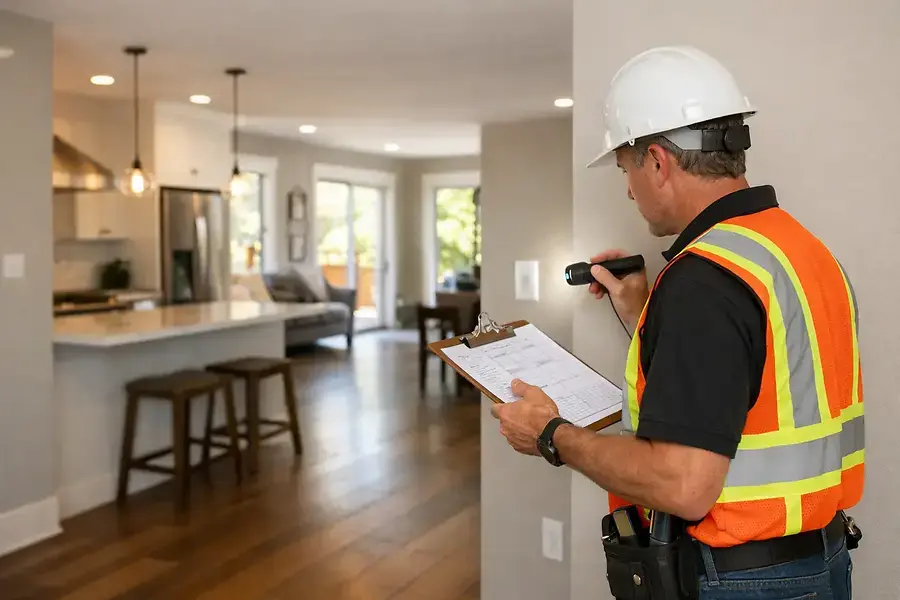
Why Home Inspections Matter in Hamilton's Real Estate Market
Purchasing a home is one of the most significant investments you'll make in your lifetime. In Hamilton, Ohio's competitive real estate market, a professional home inspection serves as your safeguard against costly surprises after closing. A thorough inspection provides you with detailed knowledge about your potential property's condition, allowing you to make informed decisions and negotiate effectively with sellers.
Many first-time homebuyers underestimate the importance of inspections, viewing them as an optional expense. However, skipping this critical step can lead to discovering expensive repairs months or years after purchase. Professional inspectors bring expertise that untrained eyes simply cannot provide, identifying issues that could affect your safety, comfort, and financial security.
Essential Areas Professional Inspectors Evaluate in Hamilton Homes
Structural Components and Foundation
Inspectors begin by examining the home's foundation, looking for cracks, settling, or water damage. They assess the structural integrity of walls, floors, and the overall frame. In Hamilton's climate, foundation issues can develop due to soil conditions and freeze-thaw cycles, making this evaluation particularly important.
Roofing and Exterior
Your roof is your home's first line of defense against the elements. Inspectors evaluate shingle condition, flashing, gutters, and drainage systems. They also examine siding, windows, doors, and exterior caulking to identify potential water intrusion points that could lead to interior damage.
Plumbing Systems
A comprehensive plumbing inspection includes checking water pressure, drainage, pipe materials, and the condition of fixtures. Inspectors test all faucets, toilets, and showers, and examine visible pipes for leaks or corrosion. They also assess the water heater's age and functionality.
Electrical Systems
Electrical safety is paramount. Inspectors verify that the electrical panel is properly grounded, check for outdated wiring, and test outlets throughout the home. They identify any code violations or safety hazards that could pose fire risks or require expensive upgrades.
HVAC and Climate Control
Heating and cooling systems are evaluated for proper operation and maintenance. Inspectors assess furnace or heat pump condition, air conditioning functionality, and ductwork integrity. They check filter accessibility and overall system efficiency.
Interior Conditions
Inspectors examine walls, ceilings, and floors for water damage, mold, or structural issues. They check insulation levels, ventilation systems, and the condition of doors and windows. Kitchen and bathroom fixtures are tested for proper operation.
Common Issues Found in Hamilton Properties and How to Address Them
Water Damage and Moisture Problems
Water intrusion is one of the most frequently discovered issues in Hamilton homes. This can stem from roof leaks, foundation cracks, or poor drainage. Action items: Request that sellers provide proof of repairs, obtain contractor estimates for remediation, or negotiate a credit toward closing costs.
Outdated Electrical Systems
Older Hamilton properties may have aluminum wiring or insufficient electrical capacity for modern appliances. Action items: Have a licensed electrician provide a detailed estimate for upgrades, and use this information to negotiate price reductions or request seller-funded repairs.
HVAC System Age and Condition
Furnaces and air conditioning units typically last 15-20 years. Finding an aging system can mean significant replacement costs ahead. Action items: Request maintenance records, get replacement cost estimates, and factor this into your offer negotiations.
Roof Deterioration
Roofs in Hamilton face harsh weather conditions that accelerate wear. Inspectors often find missing shingles, damaged flashing, or underlying decay. Action items: Obtain roofing contractor quotes, request seller repairs before closing, or negotiate a price reduction.
Foundation Cracks and Settlement
Minor cracks are common, but significant settling or structural movement requires professional assessment. Action items: Hire a structural engineer for a secondary evaluation, understand the severity level, and determine if repairs are necessary or cosmetic.
Plumbing Issues
Corroded pipes, low water pressure, or outdated materials can indicate future problems. Action items: Request plumber estimates for necessary repairs, negotiate credits, or make repairs a condition of your offer.
Using Inspection Results to Negotiate and Make Confident Offers
Once you receive your inspection report, you have several options. Request repairs: Ask the seller to fix identified issues before closing. Negotiate credits: Request a reduction in the purchase price to cover repair costs yourself. Walk away: If major issues exist and the seller won't negotiate, you may decide the property isn't right for you.
Use your inspection report strategically. Prioritize major structural, safety, and system issues over cosmetic concerns. Be reasonable in your requests—sellers are more likely to negotiate on significant problems than minor imperfections.
A professional home inspection is your opportunity to understand exactly what you're purchasing. In Hamilton's real estate market, this knowledge empowers you to make confident decisions, protect your investment, and ensure your new home is safe and sound for years to come. Don't skip this essential step in your home-buying journey.