Complete Home Inspection Checklist for Saint Paul Home Buyers
Discover what savvy homebuyers need to know before closing on their Saint Paul property.

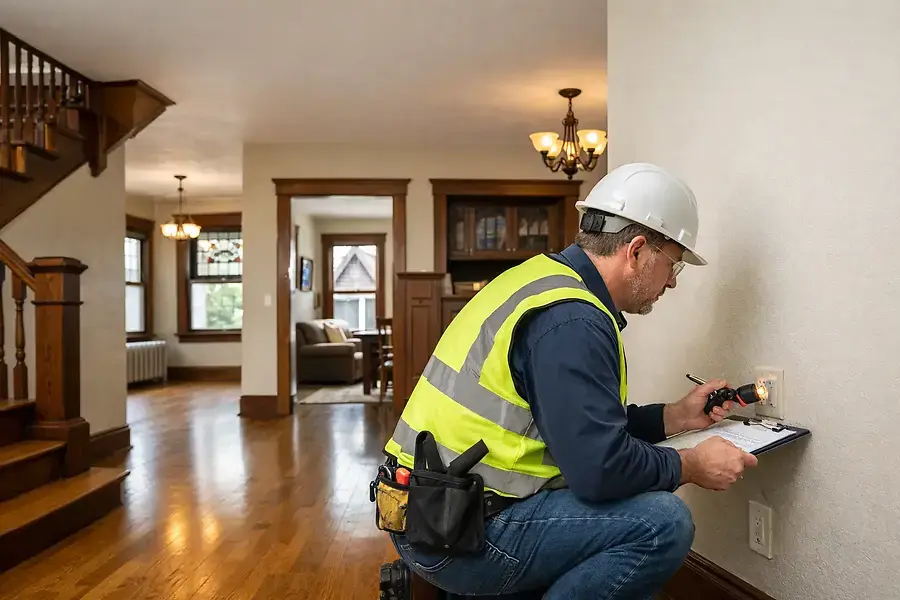
Why Home Inspections Matter in Saint Paul's Real Estate Market
Purchasing a home is one of the most significant investments you'll make in your lifetime. In Saint Paul's competitive real estate market, a thorough home inspection is not just recommended—it's essential. A professional home inspection provides you with an objective assessment of your potential property's condition, helping you avoid costly surprises after closing.
Saint Paul homes range from historic Victorian properties to modern suburban residences, each with unique characteristics and potential challenges. Understanding what inspectors look for and what common issues plague homes in this region will empower you to make informed decisions and negotiate effectively with sellers.
Key Areas Inspectors Evaluate and What to Watch For
Structural Components
Inspectors begin by examining the foundation, walls, and overall structural integrity of the home. They look for:
- Cracks in the foundation or basement walls
- Signs of settling or shifting
- Water damage or moisture intrusion
- Proper grading around the foundation
A solid foundation is critical, especially in Saint Paul where freeze-thaw cycles can stress concrete and masonry.
Roofing and Exterior
The roof protects your entire investment. Inspectors evaluate:
- Roof age and remaining lifespan
- Shingle condition and missing or damaged sections
- Flashing around chimneys and vents
- Gutters and downspout functionality
- Siding condition and potential rot
Pro tip: Ask the inspector for the roof's estimated remaining life. Replacement can be a major expense, so knowing this timeline helps with budgeting.
Plumbing Systems
Water systems are vital to home functionality. Inspectors check:
- Water pressure and flow rates
- Pipe material and condition (galvanized, copper, PVC)
- Presence of leaks or water stains
- Sump pump operation (critical in Minnesota)
- Water heater age and condition
Electrical Systems
Safety is paramount with electrical systems. Inspectors examine:
- Panel condition and capacity
- Proper grounding and bonding
- GFCI outlets in wet areas
- Outdated wiring (aluminum, knob-and-tube)
- Adequate outlets and lighting
HVAC and Climate Control
Minnesota winters demand reliable heating systems. Inspectors assess:
- Furnace age and efficiency
- Air conditioning functionality
- Ductwork condition and insulation
- Thermostat operation
- Ventilation adequacy
Interior Conditions
Inspectors also evaluate:
- Walls, ceilings, and floors for damage
- Windows and doors for proper operation
- Insulation levels in attic and walls
- Presence of mold or asbestos
- Appliance functionality
Common Issues Found in Saint Paul Homes and How to Address Them
Moisture and Water Damage
Saint Paul's climate creates moisture challenges. Common issues include:
- Basement seepage and dampness
- Ice dam damage to roofs and gutters
- Condensation in attics
Solutions: Proper grading, sump pump installation, improved ventilation, and gutter maintenance can address most moisture issues. Budget $2,000-$10,000 depending on severity.
Aging Roofs
Many Saint Paul homes have roofs nearing the end of their lifespan. If your inspection reveals a roof older than 20 years, plan for replacement within the next few years. Costs typically range from $8,000-$15,000 for a standard residential roof.
Outdated Electrical Systems
Older homes may have insufficient electrical capacity or outdated wiring. Upgrading from a 100-amp to 200-amp service or replacing aluminum wiring requires a licensed electrician. Budget $3,000-$8,000 for significant electrical upgrades.
Plumbing Concerns
Galvanized pipes corrode over time, reducing water pressure and quality. Copper pipes may develop pinhole leaks. Repiping a home costs $8,000-$15,000 but ensures reliable water supply for decades.
HVAC System Age
Furnaces typically last 15-20 years. If your inspection reveals an aging system, factor replacement costs ($4,000-$8,000) into your offer or negotiate repairs with the seller.
Asbestos and Lead Paint
Homes built before 1980 may contain asbestos in insulation, floor tiles, or roofing materials. Homes built before 1978 likely have lead-based paint. While not always dangerous if undisturbed, these materials require professional remediation if renovation is planned.
Making Informed Decisions with Inspection Results
Understanding Your Inspection Report
A comprehensive inspection report categorizes findings by severity: critical, major, and minor. Critical issues affect safety or structural integrity and require immediate attention. Major issues will likely need repair within a few years. Minor issues are cosmetic or low-priority.
Negotiating After Inspection
Use your inspection report as a negotiation tool. You have several options:
- Request repairs: Ask the seller to fix critical and major issues before closing
- Request credits: Negotiate a price reduction to cover repair costs yourself
- Walk away: If issues are too extensive, you can terminate the purchase
Be reasonable in your requests. Sellers are more likely to accept requests for critical safety issues than cosmetic concerns.
Planning Your Budget
Use inspection findings to create a realistic post-purchase budget. Prioritize critical repairs immediately, then plan major repairs over the next 2-3 years. This prevents financial strain and allows you to shop for the best contractors and prices.
Getting Second Opinions
For major issues like foundation problems or roof concerns, consider hiring a specialist for a detailed assessment. The cost of a specialist inspection ($300-$500) is minimal compared to potential repair expenses.
A thorough home inspection is your best defense against costly surprises. It's an investment in peace of mind and financial security.
Conclusion
A comprehensive home inspection is your opportunity to understand exactly what you're buying. In Saint Paul's diverse housing market, knowing the condition of your potential home—from foundation to roof—empowers you to make confident decisions and negotiate effectively.
Don't skip the inspection or choose the cheapest inspector. A thorough, professional inspection typically costs $300-$500 and can save you thousands in unexpected repairs. Review the report carefully, ask questions, and use the findings to guide your negotiations and future maintenance planning.
By following this checklist and understanding common Saint Paul home issues, you'll be well-prepared to navigate the home buying process and invest in a property that's right for you.


