Complete Home Inspection Checklist for Twin Cities Area Buyers
Learn what to look for during inspections to protect your investment in Minneapolis, St. Paul, and surrounding suburbs.

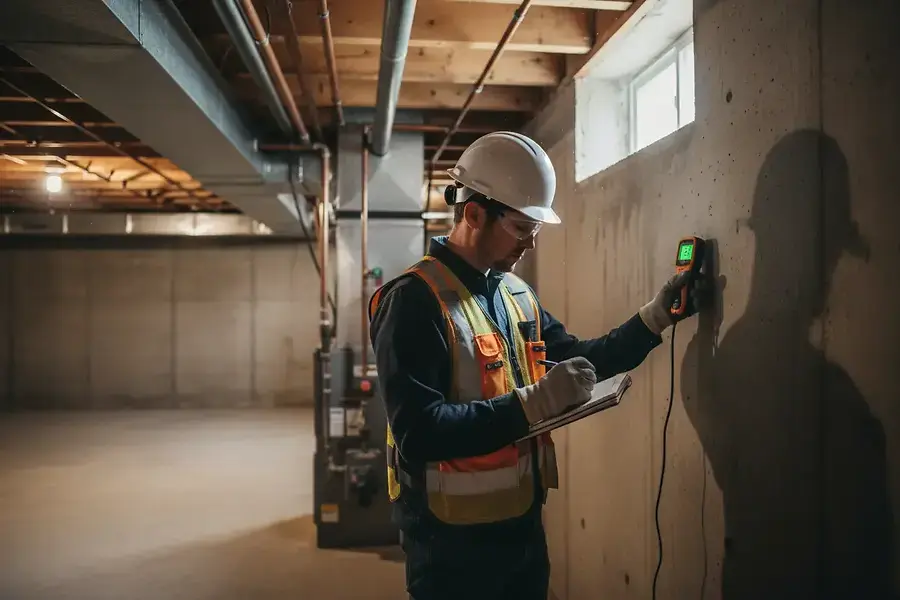
Why Home Inspections Matter in the Twin Cities Market
Purchasing a home is one of the most significant financial decisions you'll make, especially in the competitive Twin Cities real estate market. A thorough home inspection is your best defense against unexpected repairs and costly surprises after closing. In Minneapolis, St. Paul, and the surrounding suburbs, where homes range from historic Victorian properties to modern developments, understanding what inspectors look for can help you make informed decisions and negotiate effectively.
Home inspections provide an objective assessment of a property's condition, identifying potential issues before you commit to the purchase. This knowledge empowers you to negotiate repairs, request credits, or walk away from a deal if significant problems are discovered. For Twin Cities buyers, this step is essential given the region's diverse housing stock and varying age of properties.
Key Areas Inspectors Examine in Minnesota Homes
Foundation and Structural Integrity
Inspectors begin by examining the foundation, looking for cracks, settling, or water damage. In the Twin Cities, where freeze-thaw cycles are common, foundation issues are particularly important to assess. They'll check for:
- Visible cracks in concrete or masonry
- Signs of water intrusion or moisture
- Proper grading around the foundation
- Basement or crawl space conditions
Roof and Exterior
The roof is your home's first line of defense against Minnesota's harsh winters and heavy snow loads. Inspectors evaluate:
- Shingle condition and remaining lifespan
- Proper ventilation and attic conditions
- Gutters, downspouts, and drainage systems
- Siding, trim, and exterior wall integrity
- Windows and doors for proper sealing
Plumbing Systems
Water-related issues can be expensive to repair. Inspectors examine:
- Water pressure and flow throughout the home
- Pipe material and condition (galvanized, copper, PEX)
- Presence of leaks or water stains
- Sump pump functionality in basements
- Water heater age and condition
Electrical Systems
Safety is paramount when evaluating electrical systems. Inspectors check:
- Panel capacity and condition
- Proper grounding and bonding
- GFCI outlets in bathrooms and kitchens
- Adequate outlets and no overloaded circuits
- Outdated wiring that may need replacement
HVAC and Heating
Given Minnesota's cold winters, heating systems are critical. Inspectors evaluate:
- Furnace age, efficiency, and operation
- Air conditioning functionality
- Ductwork condition and insulation
- Thermostat operation
- Carbon monoxide detector presence
Insulation and Ventilation
Energy efficiency is important in the Twin Cities climate. Inspectors assess:
- Attic insulation levels
- Wall insulation adequacy
- Proper ventilation to prevent moisture buildup
- Air sealing around penetrations
Common Issues Found in Older Twin Cities Properties
Outdated Plumbing and Electrical
Many homes in Minneapolis and St. Paul were built before modern building codes. Galvanized pipes that corrode over time and knob-and-tube wiring are common findings in older properties. These systems often need replacement, which can be a significant expense.
Asbestos and Lead Paint
Homes built before the 1980s may contain asbestos in insulation, floor tiles, or roofing materials. Lead paint is common in pre-1978 homes. While not always dangerous if undisturbed, these materials require careful handling and professional remediation if renovation is planned.
Poor Basement Waterproofing
Minnesota's wet springs and heavy precipitation make basement water issues prevalent. Efflorescence, staining, and active leaks indicate moisture problems that may require interior or exterior waterproofing solutions.
Roof and Attic Issues
Heavy snow loads and ice dams are common in the Twin Cities. Inspectors often find inadequate ventilation, insufficient insulation, or roof damage that needs attention. Proper attic ventilation is essential to prevent ice dams and premature roof deterioration.
Foundation Cracks and Settlement
Older homes may show signs of settling, resulting in foundation cracks. While minor cracks are normal, horizontal cracks or significant displacement warrant further evaluation by a structural engineer.
Using Inspection Reports to Make Confident Offers
Once you receive the inspection report, take time to review it thoroughly. Prioritize major systems like the roof, foundation, and HVAC over cosmetic issues. Consider the cost of repairs and whether they align with your budget and timeline.
Use the inspection findings to negotiate with the seller. You can request repairs, ask for credits toward closing costs, or request a price reduction. In the competitive Twin Cities market, understanding which issues are deal-breakers versus manageable repairs helps you make strategic decisions.
"A home inspection is an investment in peace of mind. It provides the information you need to make one of life's biggest decisions with confidence."
Don't skip the walk-through with your inspector. Ask questions about findings, maintenance recommendations, and the expected lifespan of major systems. This education helps you understand your future home's needs and plan for upcoming expenses.
By understanding what inspectors examine and what issues are common in Twin Cities properties, you're better equipped to protect your investment and make informed decisions in this dynamic real estate market.