Complete Home Inspection Checklist: What Residential Buyers Must Know
Discover the critical areas inspectors examine and how to protect your investment before closing the deal.

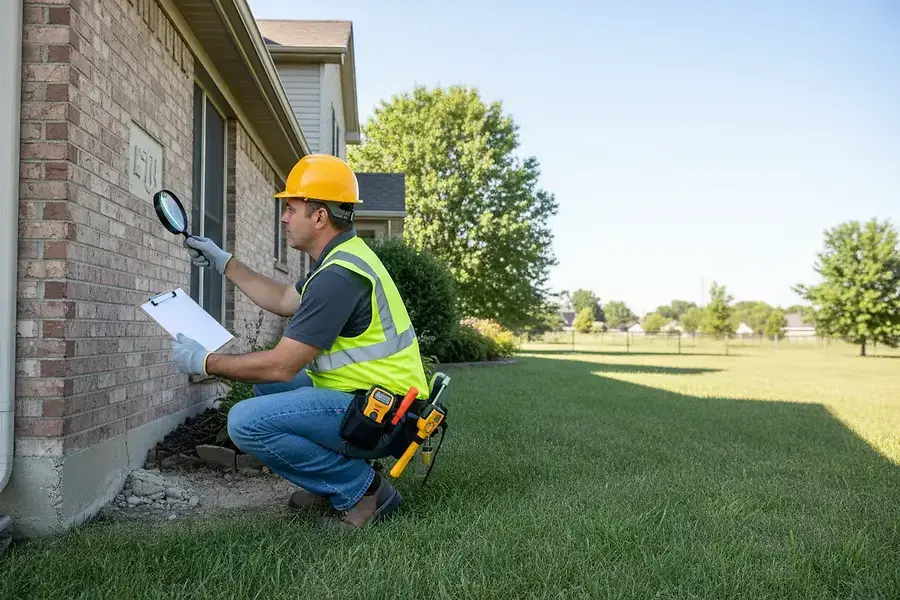
Why Professional Home Inspections Matter for Residential Purchases
Purchasing a home is one of the most significant financial decisions you'll make in your lifetime. A professional home inspection is your safeguard against costly surprises and hidden defects that could compromise your investment. During a typical inspection, certified inspectors examine hundreds of components across the property, identifying issues that may not be visible to the untrained eye.
Many first-time homebuyers underestimate the importance of thorough inspections. What appears to be a minor cosmetic issue could mask serious structural problems or system failures. By understanding what inspectors look for, you can ask informed questions, negotiate repairs, and make confident decisions about your purchase.
A comprehensive home inspection typically costs between $300 and $500, but the insights gained can save you thousands in unexpected repairs and maintenance costs down the road.
Structural and Foundation Issues to Evaluate
Foundation Assessment
The foundation is the backbone of any home. Inspectors carefully examine the foundation for cracks, settling, and water damage. Even small cracks can indicate serious problems that may require expensive repairs. Key areas inspectors check include:
- Vertical and horizontal cracks in concrete or masonry
- Signs of water intrusion or moisture damage
- Uneven settling or sloping floors
- Gaps between the foundation and walls
- Evidence of previous repairs or patching
Structural Integrity
Beyond the foundation, inspectors evaluate the overall structural integrity of the home. This includes examining:
- Load-bearing walls and support beams
- Floor joists and ceiling joists for rot or damage
- Roof framing and structural support
- Signs of pest damage or wood rot
- Previous renovations that may have compromised structural integrity
A thorough structural inspection can reveal whether a home has been properly maintained and whether any previous repairs were done to code.
Exterior Condition
The exterior protects your home from the elements. Inspectors examine:
- Siding condition and potential water damage
- Window and door frames for rot or deterioration
- Gutters and downspouts for proper drainage
- Grading around the foundation to ensure water flows away
- Deck or porch structural integrity
Key Systems: Electrical, Plumbing, HVAC, and Roofing
Electrical System
A faulty electrical system poses serious safety risks, including fire hazards. Professional inspectors evaluate:
- The main electrical panel and circuit breakers
- Grounding and bonding systems
- Outlet and switch functionality
- Presence of outdated wiring (such as aluminum or knob-and-tube wiring)
- Adequate capacity for modern electrical demands
Outdated electrical systems may require complete replacement, which can be a significant expense. Understanding the age and condition of the electrical system helps you budget for potential upgrades.
Plumbing System
Water damage is one of the most costly issues homeowners face. Inspectors check:
- Water pressure and flow from fixtures
- Pipe material and condition (looking for corrosion or leaks)
- Proper venting and drainage
- Water heater age and functionality
- Signs of previous water damage or mold
- Septic system condition (if applicable)
Older homes may have galvanized or cast iron pipes that are prone to corrosion. Replacing plumbing systems can be expensive, so understanding the current condition is essential.
HVAC System
Heating, ventilation, and air conditioning systems are critical for comfort and indoor air quality. Inspectors assess:
- Furnace or heat pump age and operational status
- Air conditioning unit functionality
- Ductwork condition and proper insulation
- Thermostat operation
- Ventilation and air quality systems
- Maintenance records and service history
HVAC systems typically last 15-20 years. Knowing the age of these systems helps you plan for future replacement costs.
Roofing
Your roof is your home's first line of defense against weather. Inspectors examine:
- Shingle or tile condition and remaining lifespan
- Flashing around chimneys, vents, and skylights
- Gutters and downspouts
- Signs of leaks or water damage in the attic
- Proper ventilation to prevent moisture buildup
- Previous repairs or patches
A roof replacement can cost $10,000 or more, making this one of the most important systems to evaluate. Understanding the roof's remaining lifespan helps you make informed decisions about your purchase.
Making Informed Decisions with Inspection Results
Once you receive the inspection report, take time to review it thoroughly. Don't panic if minor issues are identified—every home has some wear and tear. Instead, focus on significant problems that could affect safety, functionality, or value.
Use inspection results to negotiate:
- Request the seller make repairs before closing
- Negotiate a price reduction to cover repair costs
- Ask for credit at closing to handle repairs yourself
- Request extended warranties on major systems
Consider hiring specialists for major concerns. If the inspector identifies potential structural issues, electrical problems, or plumbing concerns, getting a second opinion from a licensed contractor can provide peace of mind and accurate repair estimates.
Remember, a home inspection is an investment in your future. By understanding what inspectors evaluate and asking the right questions, you protect yourself from costly surprises and make a confident decision about one of life's biggest purchases.


