Complete Home Inspection Guide for Atlanta Area Residential Buyers
Learn what professional inspectors look for and how to protect your investment in Atlanta's competitive real estate market.

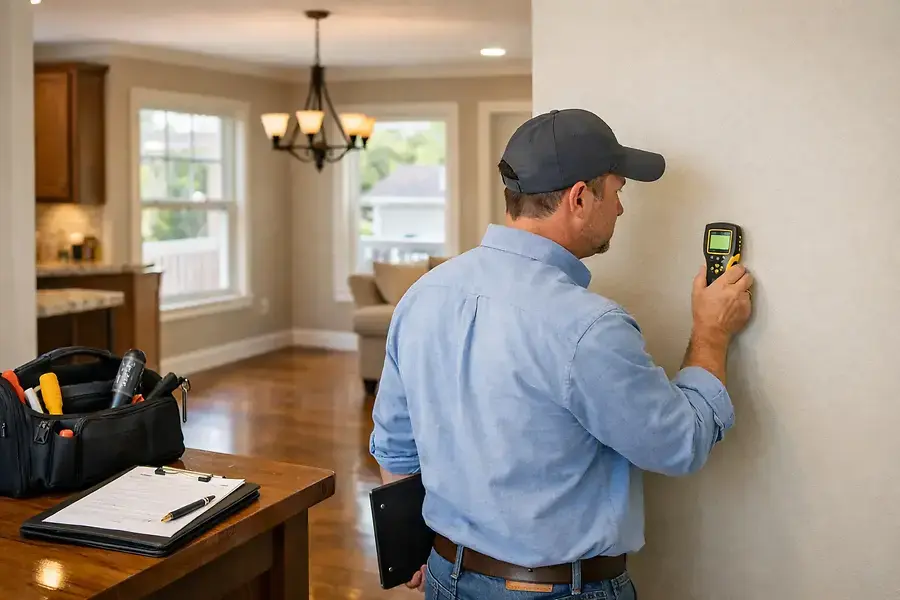
Why Home Inspections Matter in Atlanta's Market
Atlanta's real estate market moves quickly, and buyers often feel pressured to make fast decisions. However, skipping a professional home inspection is a costly mistake that could leave you with thousands of dollars in unexpected repairs. A thorough inspection provides an objective assessment of your potential property's condition and gives you leverage in negotiations.
In Atlanta's competitive market, homes sell rapidly, sometimes within days of listing. This urgency makes it even more critical to have a professional inspector evaluate the property before you commit to the purchase. An inspection protects your financial investment and ensures you understand exactly what you're buying.
Key Areas Inspectors Evaluate in Georgia Homes
Structural Components and Foundation
Georgia's clay-heavy soil can cause foundation issues over time. Professional inspectors examine the foundation for cracks, settling, and water damage. They also assess the structural integrity of walls, floors, and the overall framing of the home. This is one of the most important evaluations, as foundation repairs can be extremely expensive.
Roofing and Exterior
Atlanta's weather patterns, including heavy rains and occasional severe storms, take a toll on roofing materials. Inspectors check for:
- Missing or damaged shingles
- Proper drainage and gutter conditions
- Flashing around chimneys and vents
- Signs of leaks or water damage in the attic
- Exterior siding and trim condition
HVAC Systems
Atlanta's hot, humid summers mean your air conditioning system works overtime. Inspectors evaluate the age, condition, and efficiency of heating and cooling systems. They test whether the system operates properly and assess whether it will need replacement soon.
Plumbing and Water Systems
Inspectors check water pressure, drainage, and the condition of pipes throughout the home. They look for signs of leaks, corrosion, and outdated materials. Many older Atlanta homes have galvanized pipes that may need replacement.
Electrical Systems
A thorough electrical inspection ensures the system is safe and up to code. Inspectors examine the panel, wiring, outlets, and grounding. Outdated or faulty electrical systems pose serious safety risks and may require upgrades.
Interior Components
Professional inspectors also evaluate:
- Windows and doors for proper operation and sealing
- Insulation and ventilation
- Flooring conditions and potential water damage
- Walls and ceilings for cracks or stains
- Appliances included in the sale
Common Issues Found in Metro Atlanta Properties
Water Damage and Moisture Problems
Atlanta's humid climate creates ideal conditions for moisture-related issues. Inspectors frequently find water stains, mold, and rot in attics, basements, and crawl spaces. These problems can lead to structural damage and health concerns if left unaddressed.
Aging HVAC Systems
Many Atlanta homes have air conditioning systems that are 10-15 years old or older. Replacement costs can range from $5,000 to $10,000 or more, making this a significant negotiating point during the inspection process.
Roof Deterioration
The combination of heat, humidity, and occasional severe weather accelerates roof aging. Inspectors often recommend roof replacement or repairs, which can be a substantial expense.
Foundation and Settling Issues
Georgia's soil composition can cause minor to moderate foundation settling. While some settling is normal, significant cracks or uneven floors warrant further investigation and potential repair estimates.
Outdated Electrical and Plumbing
Older Atlanta homes may have outdated electrical panels, knob-and-tube wiring, or galvanized plumbing that needs updating. These upgrades improve safety and functionality but require investment.
Using Inspection Results to Negotiate Better Deals
Request a Professional Repair Estimate
When significant issues are discovered, obtain written estimates from licensed contractors. This gives you concrete numbers to use in negotiations rather than vague concerns about potential problems.
Prioritize Major Issues
Focus negotiations on major structural, safety, and system issues rather than minor cosmetic concerns. Sellers are more likely to address or credit for significant problems like foundation damage, roof replacement, or electrical upgrades.
Ask for Seller Credits or Price Reductions
You have several options when inspection issues arise. You can request that the seller make repairs before closing, ask for a credit toward repairs you'll handle yourself, or negotiate a lower purchase price to account for the needed work.
Know When to Walk Away
Sometimes inspection results reveal problems so significant that the property isn't worth pursuing. In Atlanta's competitive market, there are always other homes available. Don't let emotions override practical financial considerations.
Get Everything in Writing
Always document any agreements about repairs or credits in writing. Verbal agreements mean nothing at closing. Ensure all inspection-related negotiations are reflected in the purchase agreement or addendums.
Final Thoughts
A professional home inspection is one of the most important steps in the home-buying process. In Atlanta's fast-paced market, taking time for a thorough inspection protects your investment and provides valuable information for negotiations. Don't rush this critical step—your future home and your financial security depend on it.