Complete Home Inspection Guide for Atlanta Residential Buyers
Learn what professional inspectors look for and how to protect your investment when purchasing a home in Atlanta.

Why Home Inspections Matter in Atlanta's Real Estate Market
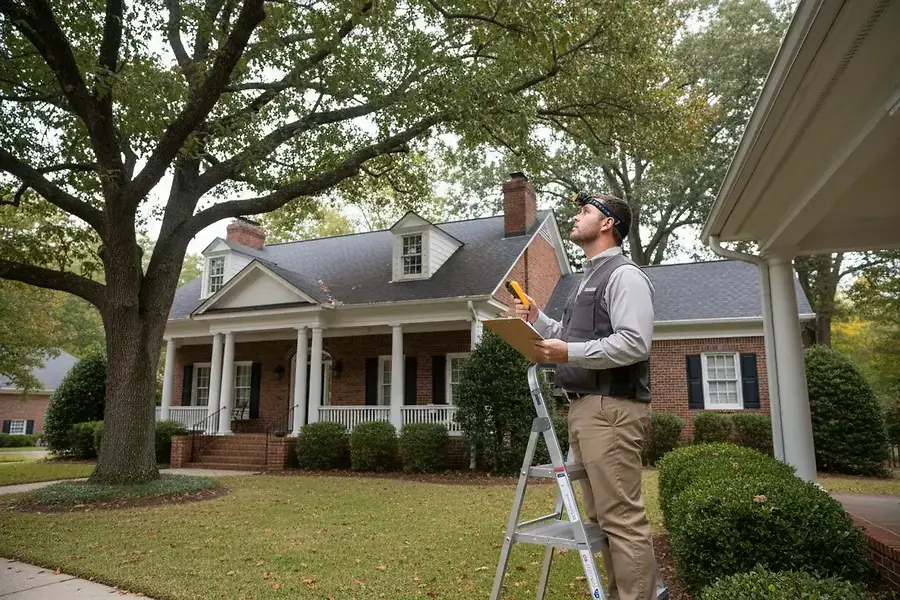
Purchasing a home is one of the most significant financial decisions you'll make, and in Atlanta's competitive real estate market, a thorough home inspection is essential. A professional inspection provides an objective assessment of a property's condition, helping you understand what you're truly investing in. Whether you're buying a historic home in Inman Park or a modern residence in Buckhead, an inspection protects you from costly surprises after closing.
Home inspections serve as your due diligence in the buying process. They uncover issues that may not be visible during a casual walkthrough, from structural problems to hidden water damage. In Atlanta's humid climate, where moisture-related issues are common, a professional inspection becomes even more critical. By investing in a thorough inspection, you gain leverage in negotiations and peace of mind about your purchase.
Key Areas Professional Inspectors Examine in Atlanta Homes
Structural Components and Foundation
Inspectors begin by evaluating the home's foundation and structural integrity. In Atlanta, where soil composition varies significantly, foundation issues can develop over time. Professionals look for cracks, settling, and signs of water intrusion in basements and crawl spaces. They examine the framing, support beams, and overall structural stability to ensure the home is built on a solid foundation.
Roofing and Exterior
The roof is your home's first line of defense against Atlanta's weather patterns, including heavy rains and occasional severe storms. Inspectors assess shingle condition, flashing integrity, gutters, and drainage systems. They also examine siding, windows, doors, and exterior caulking for signs of wear or damage that could lead to water infiltration.
Plumbing Systems
A comprehensive plumbing inspection includes checking water pressure, drainage, and the condition of pipes throughout the home. Inspectors test all fixtures, look for leaks, and assess water heater functionality. In older Atlanta homes, galvanized pipes may need replacement, which is an important consideration for your budget.
Electrical Systems
Electrical safety is paramount. Inspectors examine the main panel, circuit breakers, wiring, and all outlets and switches. They verify that the electrical system meets current safety codes and can handle modern household demands. Outdated systems in older homes may require upgrades.
HVAC Systems
Given Atlanta's hot, humid summers and mild winters, your heating and cooling system is crucial. Inspectors evaluate the age, condition, and efficiency of air conditioning units and furnaces. They check ductwork, thermostats, and overall system performance to ensure year-round comfort.
Insulation and Ventilation
Proper insulation and ventilation affect energy efficiency and prevent moisture problems. Inspectors assess attic insulation levels, ventilation adequacy, and moisture barriers. This is especially important in Atlanta's climate, where humidity control is essential.
Interior Conditions
Professionals examine walls, ceilings, floors, and doors for damage, water stains, or structural issues. They look for signs of pest infestations, mold growth, and previous water damage. Kitchen and bathroom fixtures are tested for proper function and condition.
Red Flags and Common Issues Found in Atlanta Properties
Water Damage and Moisture Issues
Atlanta's humid climate makes water damage a common concern. Inspectors look for:
- Stains on ceilings or walls indicating roof leaks
- Soft spots in flooring suggesting water damage
- Mold or mildew growth in bathrooms, basements, or crawl spaces
- Efflorescence (white powder) on basement walls indicating moisture penetration
Outdated or Failing Systems
Older Atlanta homes may have systems that need replacement or upgrading:
- Galvanized or corroded plumbing pipes
- Outdated electrical panels with insufficient capacity
- Aging HVAC systems nearing the end of their lifespan
- Deteriorating roof requiring replacement
Pest and Termite Damage
Atlanta's warm climate attracts pests, particularly termites. Inspectors look for evidence of termite damage, carpenter ants, and other infestations. This is critical in older homes where structural damage from pests may be extensive.
Foundation and Structural Problems
Settlement cracks, bowing walls, or uneven floors may indicate foundation issues. While some minor settling is normal, significant problems require professional evaluation and can be costly to repair.
Poor Drainage and Grading
Improper grading around the foundation can direct water toward the home, causing basement flooding and foundation damage. Inspectors assess drainage patterns and recommend improvements if necessary.
Asbestos and Lead Paint
Homes built before the 1980s may contain asbestos in insulation, floor tiles, or roofing materials. Homes painted before 1978 may have lead paint. While not always dangerous if undisturbed, these materials should be identified and properly managed.
Using Inspection Results to Make Confident Offers
Once you receive the inspection report, you have several options. Request repairs from the seller for significant issues, negotiate a price reduction to account for repairs you'll handle yourself, or request a credit at closing for minor issues. Some buyers choose to proceed without requesting changes if issues are minor or if the market is highly competitive.
Review the inspection report carefully with your real estate agent and consider getting specialist quotes for major repairs. This information strengthens your negotiating position and helps you make an informed decision about whether the property is worth your investment.
Don't skip the inspection to save money. The cost of a professional inspection—typically $300 to $500—is minimal compared to the potential cost of undiscovered problems. In Atlanta's real estate market, a thorough inspection is your best protection against costly surprises and ensures you're making a sound investment in your new home.


