Complete Home Inspection Guide for Austin Residential Buyers
Learn what professional inspectors look for and how to protect your investment in Austin's competitive real estate market.

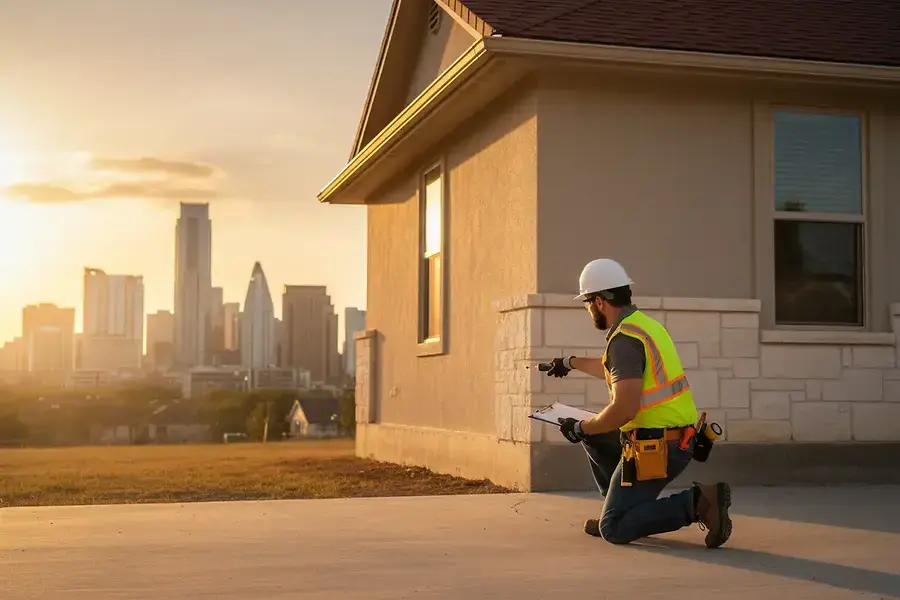
Why Home Inspections Are Critical in Austin
Purchasing a home is one of the most significant financial decisions you'll make, and in Austin's competitive real estate market, it's essential to protect your investment. A professional home inspection provides an objective assessment of a property's condition before you commit to the purchase. This critical step can reveal hidden problems, help you negotiate repairs or credits, and give you peace of mind knowing exactly what you're buying.
Austin's unique climate and rapid growth present specific challenges for homeowners. From foundation issues caused by expansive clay soil to aging systems in older properties, a thorough inspection tailored to local conditions can save you thousands of dollars in unexpected repairs after closing.
Essential Inspection Areas: Foundation, Systems, and Austin-Specific Concerns
Foundation and Structural Integrity
The foundation is the most critical component of any home. Inspectors will examine the foundation for cracks, settling, and signs of water damage. In Austin, expansive clay soil can cause foundation movement, making this inspection particularly important. Look for:
- Visible cracks in the foundation or concrete slabs
- Uneven floors or doors that don't close properly
- Signs of previous foundation repairs or underpinning
- Water intrusion or moisture in crawl spaces
Roof and Exterior Systems
Your roof protects everything beneath it, so inspectors pay close attention to its condition. They'll assess the age, material, and overall integrity of the roofing system. Austin's intense sun and occasional severe weather can accelerate roof deterioration. Key inspection points include:
- Roof age and remaining lifespan
- Missing, damaged, or curling shingles
- Proper ventilation and attic conditions
- Gutters, downspouts, and drainage systems
- Exterior walls, siding, and caulking
Plumbing and Water Systems
Water-related issues can be expensive and difficult to repair. Inspectors will evaluate the plumbing system, including pipes, fixtures, and water pressure. They'll also check for signs of leaks, corrosion, and proper drainage. In Austin, older homes may have outdated plumbing materials that need replacement.
- Water pressure and flow rates
- Pipe material and condition (galvanized, copper, PVC)
- Water heater age and functionality
- Evidence of leaks or water damage
- Septic system condition (if applicable)
Electrical Systems
A safe electrical system is paramount. Inspectors will examine the panel, wiring, outlets, and switches to ensure everything meets current safety standards. Older Austin homes may have outdated electrical systems that require upgrades.
- Electrical panel capacity and condition
- Proper grounding and bonding
- GFCI outlets in wet areas
- Adequate number of outlets and circuits
- Signs of overheating or fire hazards
HVAC and Climate Control
Austin's hot summers make air conditioning essential. Inspectors will evaluate the heating and cooling systems for age, efficiency, and proper operation. They'll check ductwork, filters, and thermostat functionality.
- Age and condition of AC and heating units
- Proper refrigerant levels
- Ductwork integrity and insulation
- Filter accessibility and condition
- Thermostat operation
Austin-Specific Concerns
Radon and Indoor Air Quality: Austin properties should be tested for radon, a naturally occurring radioactive gas that can accumulate in homes.
Termites and Pest Damage: Austin's warm climate makes termite infestations a concern. Inspectors look for evidence of termite activity and wood-destroying insects.
Mold and Moisture: Humidity and occasional water intrusion can lead to mold growth. Inspectors assess moisture levels and look for visible mold.
Pool and Spa Systems: Many Austin homes have pools. Inspectors evaluate pool structure, equipment, and safety features.
Reading Reports and Negotiating Inspection-Based Repairs
Understanding Your Inspection Report
A professional inspection report is comprehensive and detailed. It categorizes findings by severity: safety issues (immediate concerns), major repairs (significant expenses), and minor repairs (cosmetic or low-cost fixes). Take time to understand each finding and ask your inspector to clarify anything unclear.
Prioritizing Issues
Not every finding requires negotiation. Focus on issues that affect safety, structural integrity, or major systems. Minor cosmetic issues are typically the buyer's responsibility after closing. Work with your real estate agent to determine which items are worth negotiating.
Negotiation Strategies
Once you have the inspection report, you have several options:
- Request repairs: Ask the seller to fix major issues before closing
- Request credits: Negotiate a credit toward closing costs to handle repairs yourself
- Request price reduction: Ask for a lower purchase price to account for repairs
- Walk away: If issues are too significant, you may choose not to proceed
Be reasonable in your requests. Sellers in Austin's competitive market may have multiple offers, so excessive demands could cost you the deal. Focus on legitimate safety and structural concerns that affect the home's value and livability.
Follow-Up Inspections
If the seller agrees to repairs, consider hiring an inspector to verify that work was completed properly before closing. This protects you from incomplete or substandard repairs.
Using Inspections to Make Confident Purchase Decisions
A professional home inspection is your opportunity to make an informed decision about one of life's biggest purchases. By understanding what inspectors look for and how to interpret their findings, you can negotiate effectively and avoid costly surprises after closing.
In Austin's fast-paced real estate market, don't skip the inspection to make your offer more competitive. A thorough inspection protects your investment and provides valuable information for making confident purchase decisions. Work with a qualified, licensed home inspector who understands Austin's unique climate and construction challenges.
Remember: the inspection period is your chance to discover the true condition of the property and negotiate accordingly. Use this opportunity wisely to ensure your new Austin home is a sound investment for years to come.


